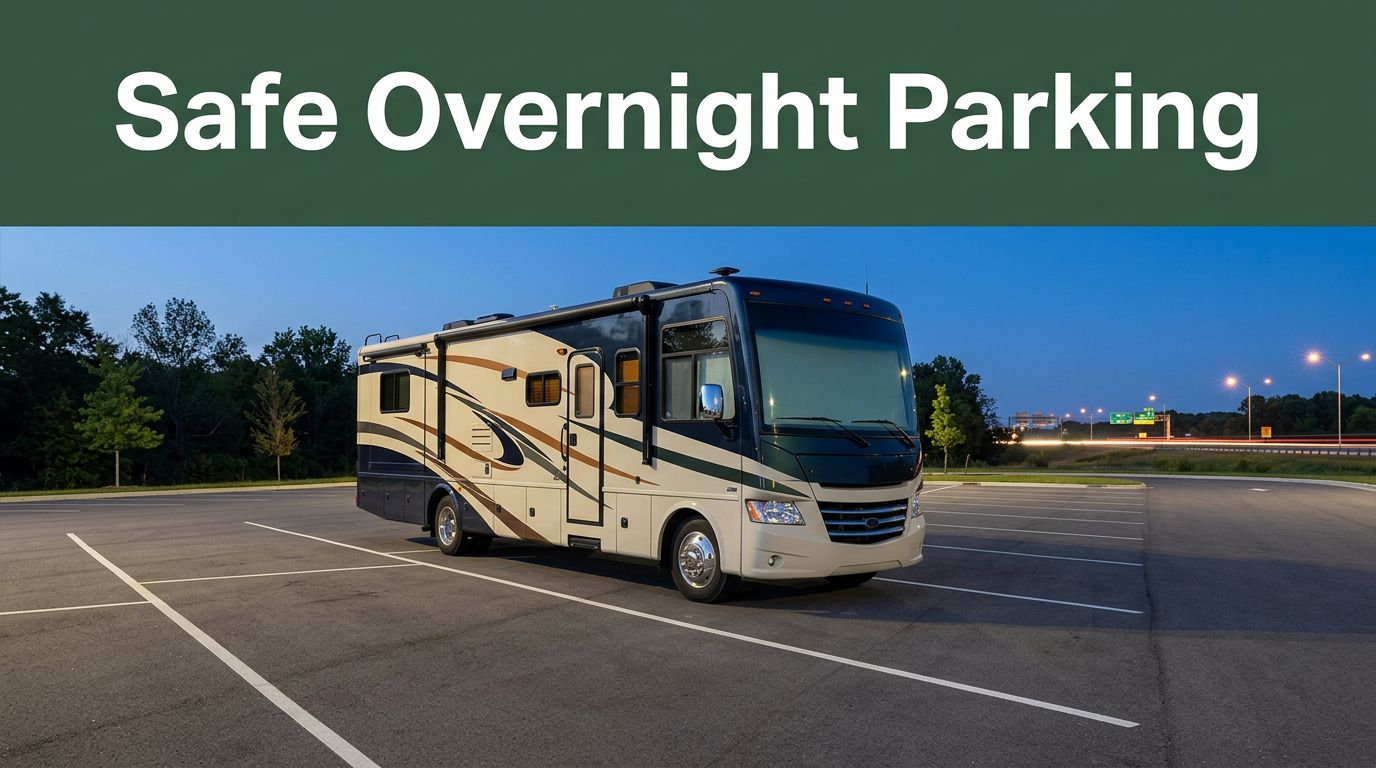
Safe Overnight RV Parking Near Interstates
A long driving day can turn stressful when daylight fades and every campground is 30 miles behind you. Overnight RV parking near an interstate can be safe and practical, but only when you treat it as a short rest stop, not a campsite.
The right spot gives you a quiet night’s sleep, a simple morning exit, and fewer worries about knocks on the door. Exploring various overnight parking options and knowing where to find safe overnight stops before you leave the highway makes all the difference.
This post may contain affiliate links. If you make a purchase through these links, I may earn a small commission at no extra cost to you.
Key Takeaways
- Choose overnight parking spots that are legal, well-lit, active, and easy to leave in the morning.
- Check posted rules and ask permission at private businesses before you settle in.
- State rules control how long you may stay for overnight stays at interstate rest areas.
- Keep your footprint small, stay inside your RV, and leave the space cleaner than you found it.
- A paid campground is often the better call when you need RV hookups, a shower, or a full night’s recovery without worrying about camping fees.
Plan Your Overnight RV Parking Before You Exit
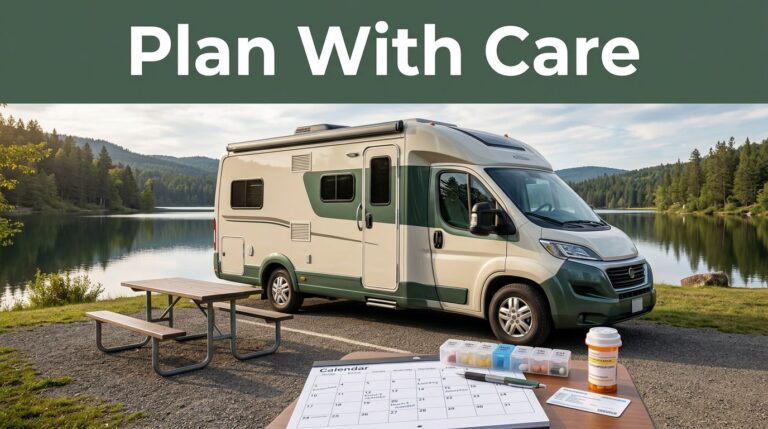
Effective trip planning ensures the safest stop is usually the one you chose before fatigue made the decision for you. While you still have cell service and energy, search for campgrounds, travel centers, rest areas, and approved business lots offering free RV parking within the next 30 to 60 miles. You can use tools like the Campendium app and the iOverlander app to locate these potential spots ahead of time.
Start with an honest look at your needs. If you only need six or eight hours of sleep, a permitted rest area or truck stop may work. If you need water, electricity, laundry, or a quiet evening outdoors, book a campground instead.
Paid RV campgrounds close to interstate exits are often worth the extra cost after a demanding drive. They offer a defined place to park, restroom access, and a calmer setting than busy retail parking lots. Many are also easier for seniors who prefer level sites with full RV hookups and a short walk to facilities.
Check the route rather than only the destination. A location may appear close to the interstate but require narrow roads, steep grades, or a difficult left turn across traffic. Satellite view can reveal whether the lot has enough turning room for your rig.
Keep one backup choice. A full lot, a “No Overnight Parking” sign, or an uneasy feeling should send you to Plan B without debate.
If you arrive after dark and cannot clearly see the lot’s edges, traffic flow, or exits, keep driving to find safer overnight stops in a better-lit location.
Where to Look for Safe Overnight RV Parking Near Interstates
Interstate rest stops can give tired drivers a legal place to rest, but rules change by state and sometimes by individual facility. Read every sign as you enter. Some rest stops permit overnight stays within a time limit, while others restrict parking to a brief rest period or separate commercial trucks from RVs.
For example, reported limits vary widely. California commonly limits stays at certain rest areas to eight hours, while Texas safety rest areas may allow up to 24 hours. Those details can change, so the posted sign at the location controls your stay.
Travel centers and truck stops such as Pilot Flying J, Love’s, and TA are another option. They stay busy through the night, sell fuel and food, and usually have bright lighting. Still, truck stops belong to working drivers. Park only in a marked RV area or a space staff approves, and never block fuel lanes or truck access.
Private businesses require permission, and many travelers seek free RV parking when navigating various overnight parking options. Walmart parking lots are popular, but the practice is not a blanket nationwide promise. Local ordinances, lot size, security concerns, and the individual manager’s decision all matter. Go inside, ask politely, and accept no as the final answer regarding Walmart parking lots.
Cracker Barrel locations often accommodate RVs where space and local rules permit it. However, a current guide to Cracker Barrel RV parking advises treating Cracker Barrel as a limited one-night courtesy, not a destination. Call ahead when possible, especially in popular tourist areas. Similar commercial choices include Cabela’s parking, and some travelers also use a Harvest Hosts membership for unique overnight stays.
Parking-lot stays are different from camping, especially when local ordinances restrict long stays. The etiquette for Walmart, truck stops, and restaurant lots is simple: keep the visit brief, take up little space, and do not create work for the business that welcomed you. If you prefer nature over pavement, you might look into public lands, National Forest land, and dispersed camping as alternatives.
Check the Site Before You Shut Down
A legal lot can still feel wrong. Before turning off the engine, make a slow drive through the property to evaluate potential overnight parking spots. Look for open sightlines, working lights, clear exits, and normal activity. Avoid isolated corners, dark wooded edges, loading docks, and areas where people are lingering without a clear purpose.
Park close enough to other overnight travelers or the main building that you feel visible, but not so close that headlights and door traffic keep you awake. Face your RV toward the easiest exit. In an emergency, you should be able to leave without backing through a crowded lot as you secure safe overnight stops.
Use this quick arrival check:
- Read signs for time limits, towing warnings, and RV restrictions, paying close attention to local ordinances and guidelines for retail parking lots.
- Consult the iOverlander app or Campendium app to read recent user reviews on lot safety and overnight stays.
- Confirm your doors, windows, and storage bays are locked.
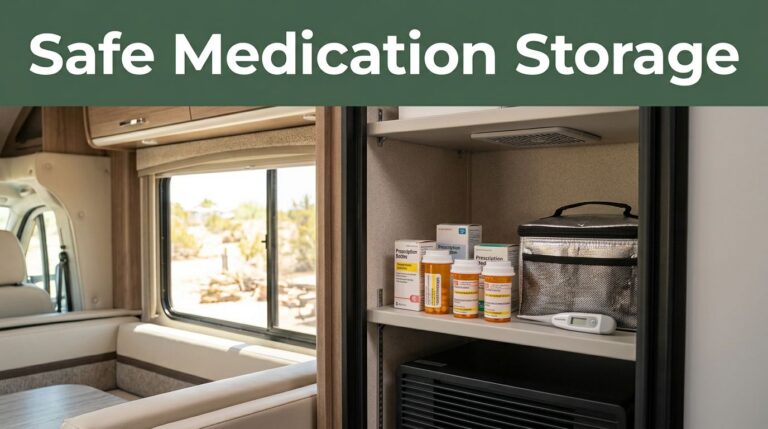
- Keep keys, glasses, medications, shoes, and your phone within reach.
- Note the restroom location and your route back to the interstate.
- Trust your instincts if the setting feels unsettled or chaotic.
Avoid announcing your exact location on social media while parked. If you travel as a couple, agree on what to do if someone knocks late at night. Most of the time it is security staff or law enforcement checking the lot, so remain calm, speak through a closed door if needed, and move along if asked.
For full-time RV’ers, routine can make a stop feel familiar. Familiarity should never replace a fresh safety check. Every lot has different traffic patterns, rules, and local conditions.
Keep a Low Profile and Respect the Property
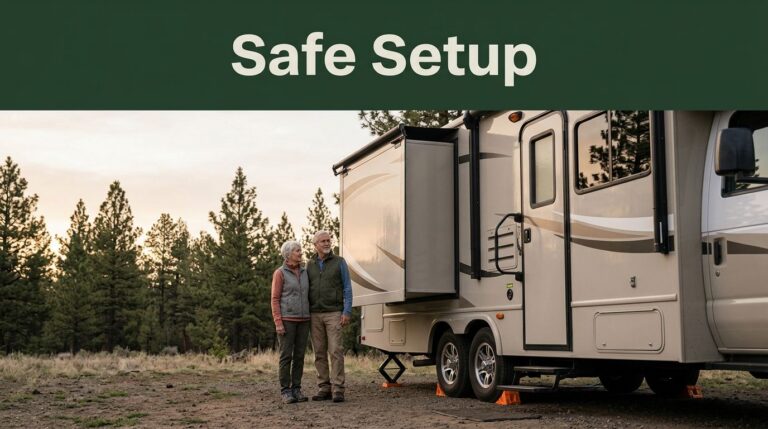
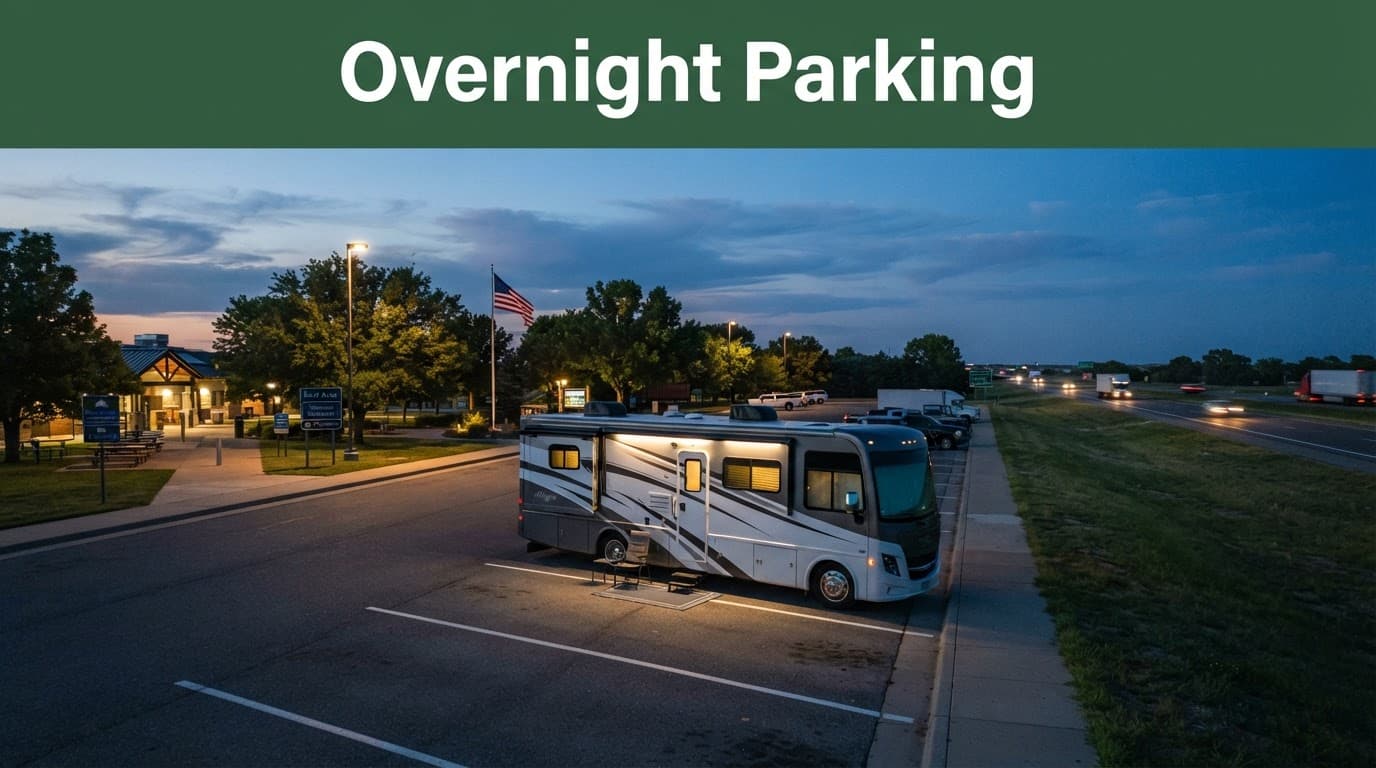
Your rig may be self-contained, but a parking lot is not your personal campground. When utilizing boondocking tips for quick stops, keep slides in unless an emergency makes that impossible. Do not set out chairs, grills, awnings, rugs, or leveling blocks. Save the campfire mood for a campground instead of treating the space as free RV parking.
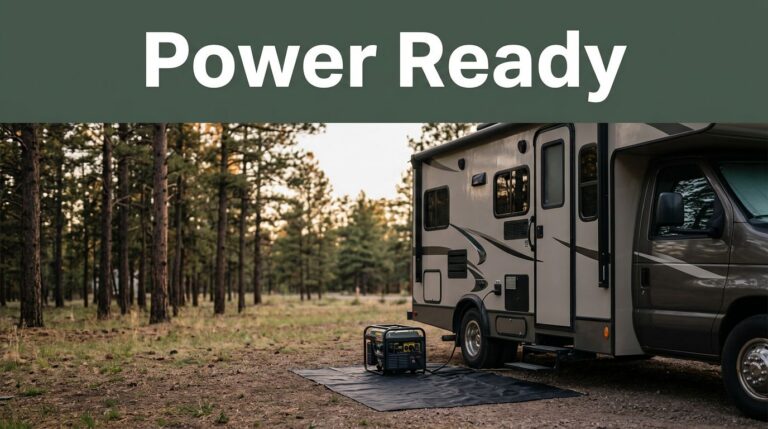
Run the generator only when permitted and only when it will not disturb others. At many locations, a quiet night means using battery power for lights, a fan, and medical devices. Check your battery capacity before travel days, particularly if you rely on a CPAP machine.
Never dump gray water into a storm drain, onto pavement, or into landscaping. Use approved dump stations and dispose of trash properly at facilities like truck stops. A spotless departure protects future overnight RV parking access for everyone who needs safe overnight RV parking.

Photo by Viktoria B.
Businesses and towns often change parking rules after visitors leave behind trash, occupy spaces for days, or treat spots like Walmart parking lots as free RV parking. Good manners protect the privilege for the next RVer.
Know When a Campground Is the Better Choice
A parking lot is a rest solution, not a recovery solution. Choose one of the many available RV campgrounds when you are sick, worn down, traveling with pets that need a longer walk, or expecting bad weather. Paying modest camping fees for full RV hookups is often worth it when you need to catch up on sleep after several hard driving days.
Many RV parks offer late-arrival instructions, including a site number and map posted near the office. Call before closing time so you know whether they can receive you. A small independent park can be quieter and more welcoming than a large lot beside a highway.
Of course, if you prefer nature over pavement during your trip planning, you might head out toward public lands instead. National Forest land and remote dispersed camping areas offer peaceful escapes, while boondocking tips and a Harvest Hosts membership can help you find unique overnight spots without the noise of the interstate.
This matters for van life travelers as much as motorhome owners. A compact van fits in more places, but it still needs a lawful place to stay, whether that is on public lands or at a private park. Size does not change the need for permission or respect.
RV Life Insider shares practical camping tips, route ideas, and real-world advice for people who enjoy slower travel. Browse travel resources, community support, and useful gear at View Our Website, or get road-ready ideas in your inbox through View All Our Newsletters.
Frequently Asked Questions
Is it always legal to sleep in an RV overnight at interstate rest areas?
No, rest area parking rules vary greatly by state and individual facility. You must always read posted signs carefully to check for maximum stay limits or specific restrictions on RVs.
Can I put out my RV slides and lawn chairs in a Walmart or truck stop parking lot?
No, keeping a low profile means staying inside your rig and avoiding setup. Never use slides unless necessary, and leave out awnings, chairs, and grills to treat the lot as a rest stop rather than a campground.
What should I do if I cannot find a safe free overnight parking spot?
Always keep a paid campground as your backup choice for a safer and quieter night. Paying modest fees is well worth it when you need full RV hookups, reliable security, or a good night of uninterrupted sleep.
A Safer Stop Makes Tomorrow Easier
Planning safe overnight stops begins before you are tired. Pick a lawful location, inspect it on arrival, and keep the stay short and quiet.
The goal is not to find the cheapest place to sleep. It is to wake rested, choose reliable overnight RV parking and overnight parking spots over uncertain lots when necessary, and enjoy free RV parking or paid stays to hit the next stretch of road with confidence.