Why RV/Camping Trips Cost More Than They Should
Planning an RV escape looks cheap on paper. You picture one vehicle, one rolling kitchen, and no hotel bill.
Then the tabs start opening. Fuel rises, campsite rates jump, and hidden costs sneak in through tolls, propane, and supply runs. That gap explains why so many RV trips cost more than expected.
The costs you see, and the ones you miss
Fuel, campsites, and repairs
Fuel is the first shock. RVs burn more gas or diesel than most cars, so a long drive or mountain route hits hard. Campsite prices also swing fast, especially for peak weekends. Food adds up, too, if takeout replaces campground cooking. Add tire wear, oil changes, and surprise repairs, and even a short trip gets expensive.
Small fees, big total
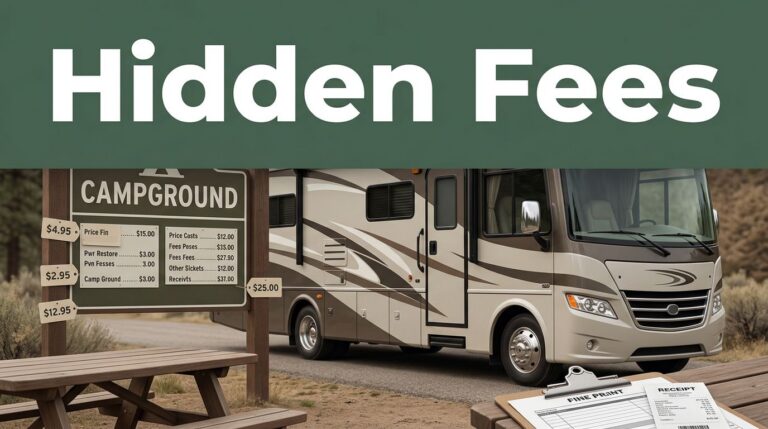
Then come the charges many people forget to count: tolls, dump stations, propane refills, showers, laundry, park entry fees, and extra data or Wi-Fi. A quick stop for a sewer hose or flashlight doesn’t feel huge. Over several days, those small purchases stack up fast.
Why RV travel can beat a hotel on fun, not price
Ownership starts the meter
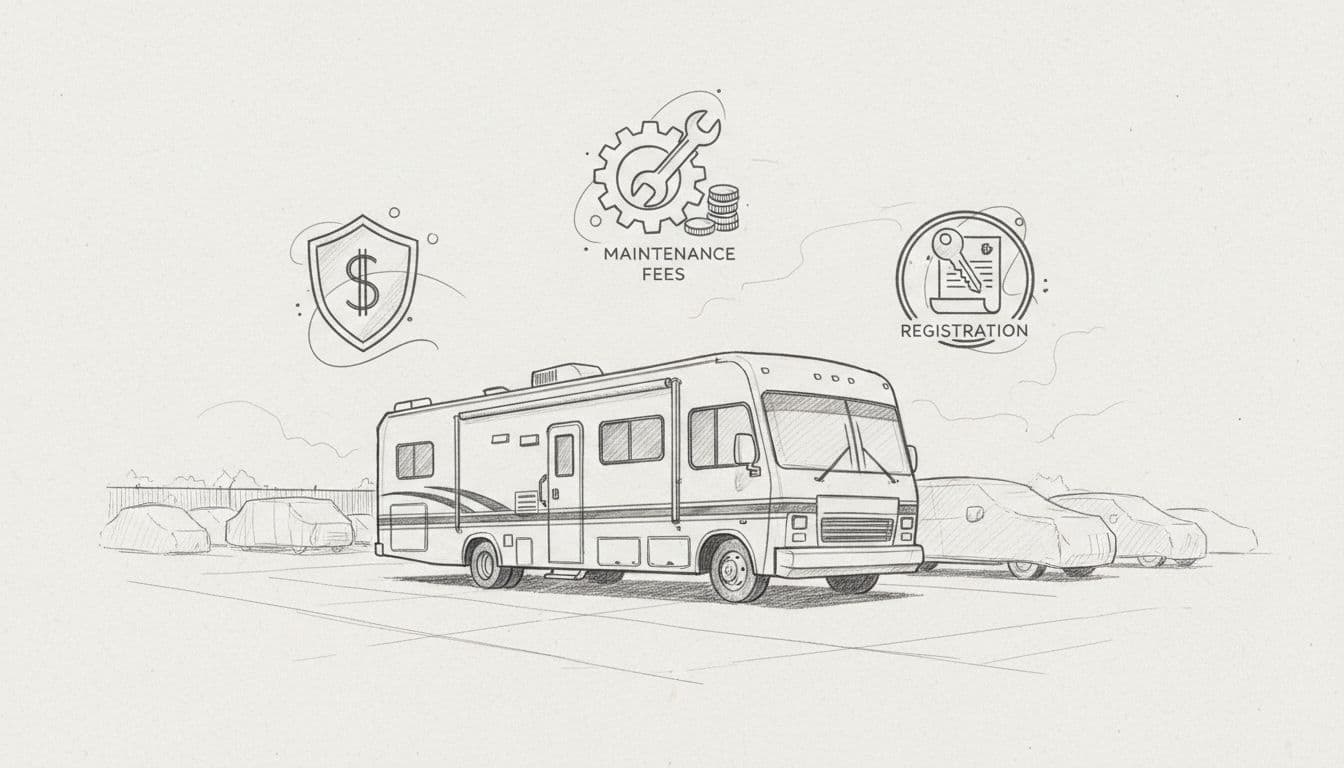
An RV also costs money before the vacation begins. Payments, insurance, registration, storage, winterizing, and prep work keep running even when the rig stays parked. A car trip doesn’t carry the same burden, and a hotel stay doesn’t ask you to maintain the room all year.
Comfort gets expensive
Travelers often spend more for comfort, too. A bigger rig, nicer campground, extra gear, and easy meal stops can make the road feel smoother. Setup and breakdown also eat time, which matters on short trips. That comfort may be worth the price for families, but it can erase the savings people expected.
How to keep costs down
Plan routes and track spending
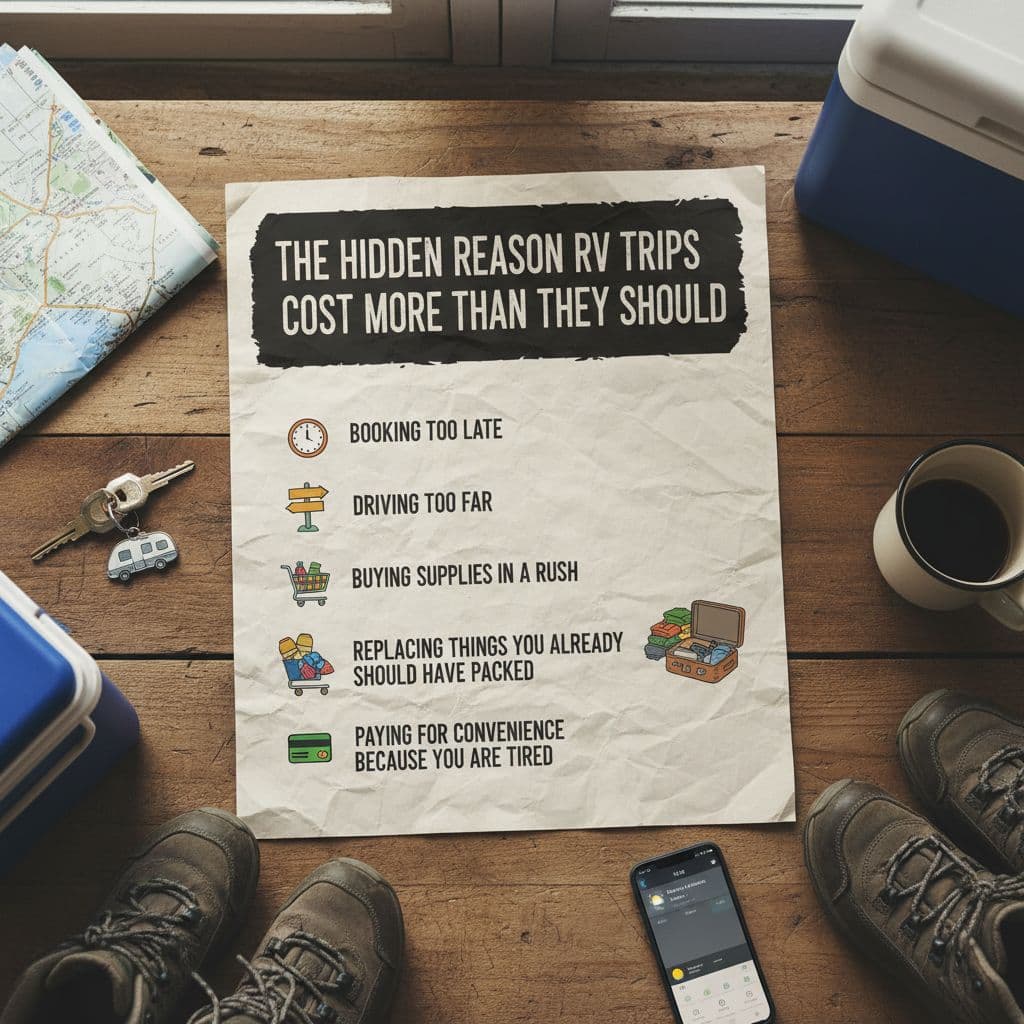
The best fix is plain planning. Map fuel stops, compare campground prices, and book early before the low-cost sites disappear. Set a trip budget before leaving, then track every dollar on the road. For more practical ideas, View All Our Newsletters.
Pack smarter, stay longer
You can also spend less by cooking in the RV, packing supplies from home, and staying longer at each stop. Fewer miles usually mean less fuel. Lighter loads can help, too. Most of all, skip impulse buys that solve a problem you could have packed for.
Final thoughts
RV trips cost more than they should because the bill is spread across dozens of small decisions, not one big payment. The real budget lives in fuel, fees, upkeep, and comfort choices.
The road can still be worth every mile. When you watch the full cost instead of the sticker price, RV travel feels less like a money leak and more like the trip you meant to take.