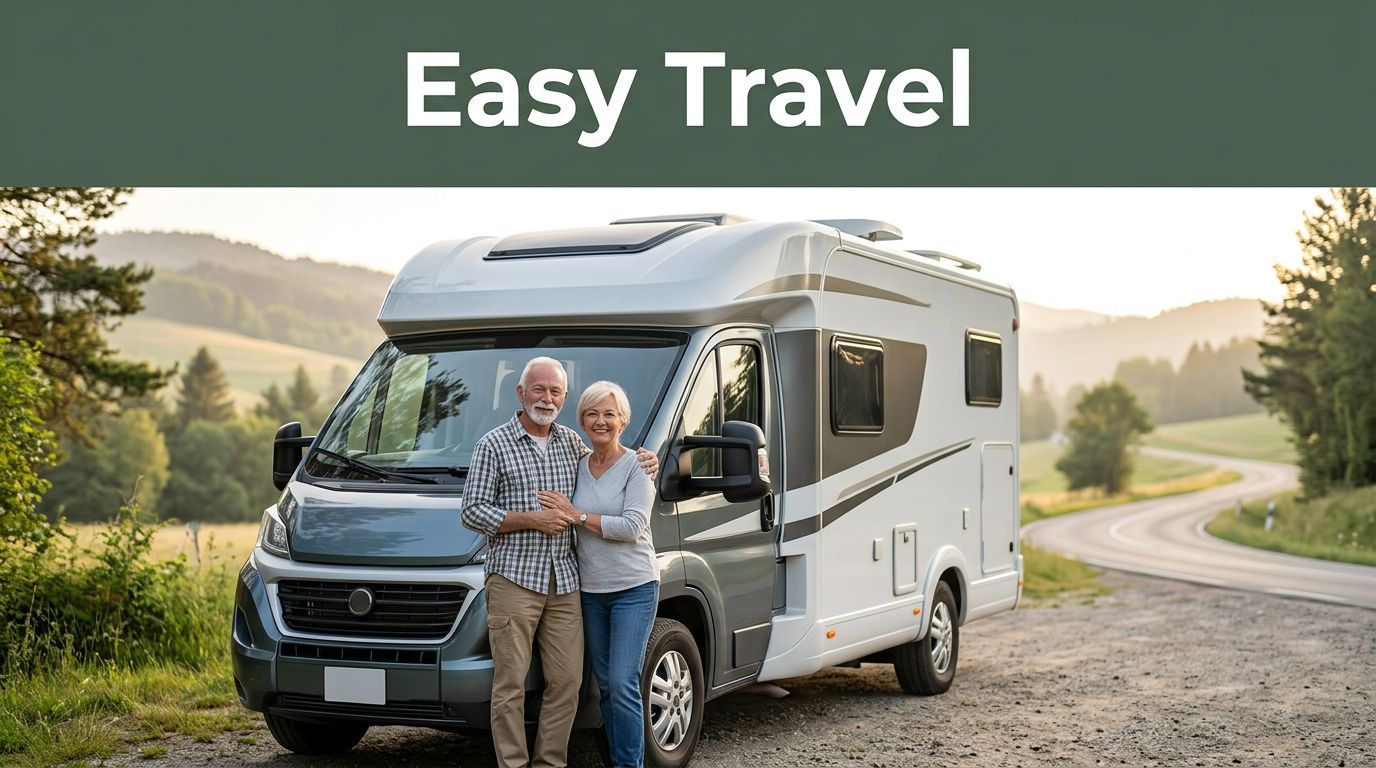
Best RV for Retirees Who Want Less Hassle
Retirement travel should feel lighter, not harder, as you embrace a new retirement lifestyle. If your rig takes too much effort to drive, park, clean, or fix, the joy of the open road fades fast.
Most seniors do not need the biggest vehicle on the lot. They need a unit that feels easy on travel day, calm at the campsite, and manageable back at home.
For most people searching for the ideal RV for retirees, the best answer is the smallest model that still fits their daily needs. That simple concept helps clear up a lot of common confusion.
Key Takeaways
- Prioritize simplicity: For retirees, the most manageable RV is typically the smallest model that meets your core needs, as smaller rigs are easier to drive, park, and maintain.
- Assess your travel style: Choose a vehicle based on your actual routine rather than rare scenarios; Class B vans excel for frequent movers, while small Class Cs or travel trailers suit those who stay in one place longer.
- Minimize setup labor: Motorized units like Class B and C rigs allow for faster arrivals, while travel trailers offer the advantage of a separate tow vehicle for running errands once you are parked.
- Test before you buy: Renting a similar model for a short trip provides invaluable insight into daily living and maintenance tasks that dealership visits simply cannot replicate.
What “less hassle” really means on the road
Less hassle has little to do with glossy finishes or giant TVs. It comes down to four things: easy driving, easy setup, easy upkeep, and a layout that does not wear you out.
A massive Class A motorhome can feel impressive at a show, but the reality sets in at your first fuel stop. The turn is wide, the pump lane is tight, and the stress builds quickly. Whether you are navigating narrow roads in national parks or finding a spot in a busy campground, a smaller RV is often superior because it slips into normal spaces, requires less frequent RV maintenance, and helps keep fuel costs down.
The best RV for retirees is usually the one that asks the least from you on travel day.
Floor plan matters, too. A smart small layout beats a bad large one every time.
A quick side-by-side view makes the trade-offs easier to see.
| RV type | Why it feels easier | Main drawback |
|---|---|---|
| Class B camper van | Easy to drive, easy to park, quick setup | Limited living space |
| Small Class C motorhome | More room, real bathroom, still manageable | More height and upkeep |
| Small travel trailer | Lower cost, can leave it at camp | Towing and hitching add work |
| Fifth wheel or toy hauler | Maximum space for gear | Large size, complex towing, high stress |
For many retirees, the winner is the option that cuts both driving stress and campsite chores. That usually points to a Class B first, a small Class C second, and a small travel trailer if towing feels comfortable.
Why a Class B camper van is often the easiest choice
For retirees who want the least hassle, a Class B motorhome usually comes out on top. These vehicles drive more like a large van than a bus, so everyday tasks feel familiar and approachable. Many of these popular models are built on a reliable Mercedes-Benz chassis, which provides a smooth, confident ride for long-distance travel.
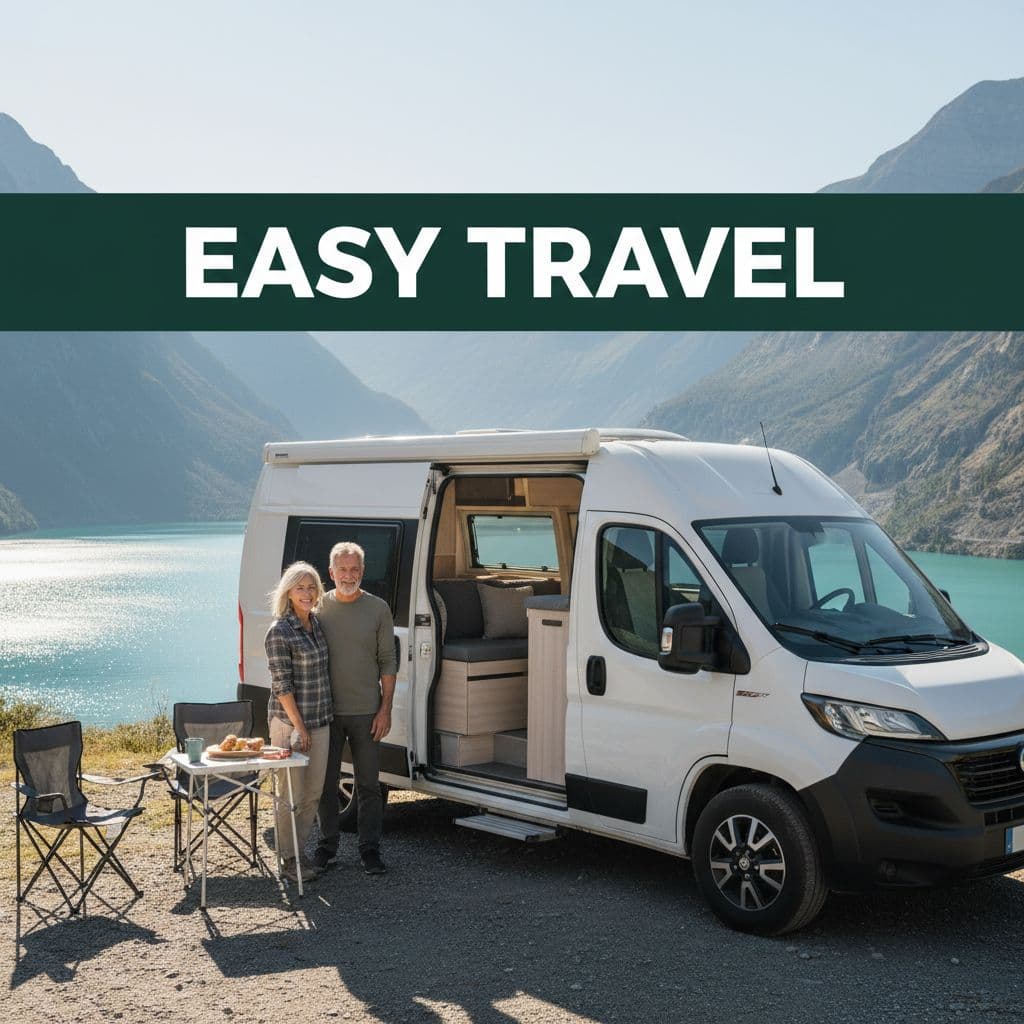
Because the camper van is shorter and lower, you can fuel up with less drama. Parking is straightforward, and many campgrounds offer more site options that fit these compact dimensions. At home, the vehicle may even fit in a driveway or a smaller storage spot, which saves you an extra layer of work and cost.
Inside, your daily routine becomes much simpler. You park, level if needed, and you are essentially done. Cleaning takes less time because there is less space to maintain, including fewer counters, floors, and storage bays to scrub. Even managing your waste is easier, as a smaller black tank requires less frequent attention and simplifies the dumping process.
A Class B motorhome also offers a taste of van life without forcing you into a bare-bones setup. You still get a comfortable bed, a functional kitchen, and a private bathroom. If you are interested in how these rigs handle off-grid adventures, many owners utilize solar panels to enable boondocking, allowing them to stay in scenic, remote locations without needing to plug into electricity.
Still, limited interior space is the primary trade-off. Rainy days can feel tight, and storage requires discipline. If one of you needs a roomy bath or more indoor seating, a van may feel cramped after a few days. While many people pursuing full-time RV living accept that compromise because mobility matters most to them, retirees who travel part-time often have less patience for squeezing around each other.
A few camping tips make a Class B even easier to own. Keep your hoses and power cords organized in one bin, store daily items in the same place every trip, and leave non-breakables packed so you can head out with less prep time.
You can place an affiliate link here for a compact tire inflator or tire pressure monitor.
A small Class C gives you more comfort without going too big
If a van feels too tight, a small Class C motorhome is the next best fit. It keeps the motorhome ease, but adds more breathing room.
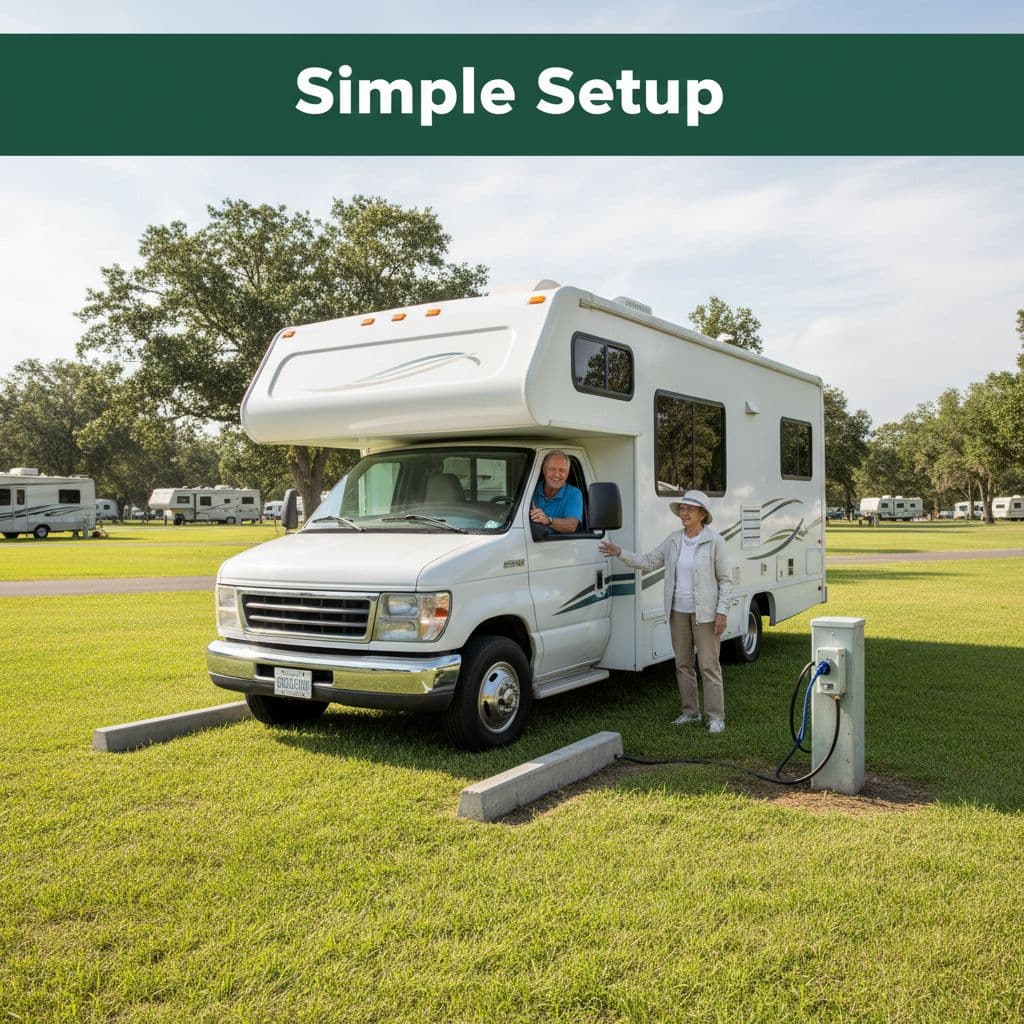
This is where many seniors land. You get a proper bed, more storage, and a bathroom that doesn’t feel like a closet. The extra space allows for more creature comforts, making longer trips feel like a true getaway. Many of these models also feature improved accessibility features, such as wider doorways and easier bathroom access, which are more common in this chassis style compared to smaller camper vans. In bad weather, that extra room matters, and it also helps if one person rises early while the other sleeps in.
Setup stays simple because you don’t have to hitch or unhitch anything. You park, plug in, and settle down.
The catch is size. A Class C motorhome is still taller, wider, and heavier than a van. Fuel stops take more thought, and low branches matter. Roof care, tires, and maintenance often cost more, and you should also remember that RV insurance rates can differ between these classes as a practical consideration. So while this vehicle is easier to manage than a big Class A, it still asks more from you than a Class B.
For many couples, the sweet spot is a shorter version with no extra slide-outs or only one. Fewer moving parts usually mean fewer things to fuss with.
You can place an affiliate link here for a backup camera upgrade, a water pressure regulator, or an easy-grip sewer hose kit.
Small travel trailers work well, if towing doesn’t bother you
A small travel trailer can also be a strong choice for retirees who want simple camping without the high motorhome price tag. If you already own a capable tow vehicle, this option often makes the most sense. Unlike a massive fifth wheel or a bulky toy hauler, which require heavy-duty trucks and advanced towing experience, compact travel trailers are far less intimidating to maneuver on the road.
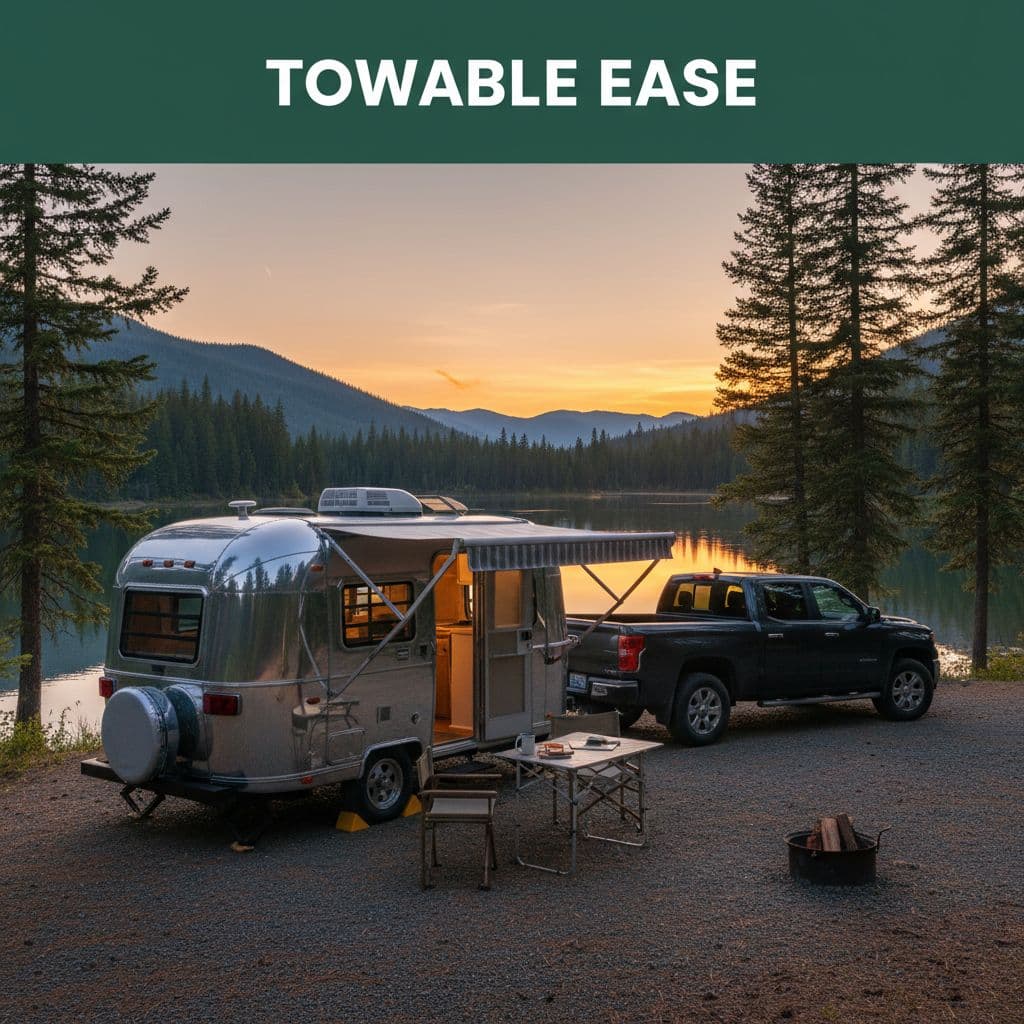
The best part is flexibility. Once you arrive at campgrounds and unhook, your truck or SUV becomes your dedicated runaround vehicle. That makes grocery trips, sightseeing, and town stops much easier than breaking camp with a motorhome. When you are parked, connecting to electrical and water hookups is generally straightforward, and for longer stays, that freedom to explore locally feels great.
Costs can also be lower. You do not have an engine in the trailer to maintain, and smaller units often cost less to buy.
Still, towing is the deal-breaker for some people. Hitching, backing, leveling, setting wheel chocks, and performing brake checks all add steps to your arrival. None of that is hard once you learn the process, but it is more work than pulling into a site with a Class B. So, if your goal is the fewest moving parts in your routine, towing may feel like one chore too many.
These trailers fit best for retirees who camp longer in one place and do not mind a bit of extra work on setup day. If you prefer to move every day or two, a motorhome usually feels easier.
You can place an affiliate link here for a weight-distribution hitch, wheel chocks, or a drill adapter for stabilizer jacks.
How to choose the right RV without overbuying
Many retirees buy too much RV because they shop for the rare days rather than their normal routine. A better strategy is to embrace downsizing and buy for your typical trip.
If you move often, a Class B is hard to beat. If you prefer staying in one place longer and want more room, a small Class C may feel more comfortable. If you already tow with confidence, a compact travel trailer can keep your budget in check without sacrificing convenience.
Keep these questions in mind before you visit RV dealers to sign any papers:
- How often will you drive the vehicle versus sit in it?
- Do you want a bathroom accessible during travel stops?
- Are you comfortable towing and backing up?
- Will you stay mostly in established campgrounds or look for free sites?
- How important are reliable connectivity for video calls with family and access to health care facilities along your route?
Also, do not shop as if you are preparing for full-time RV living if you only plan on traveling seasonally. Extra storage, giant tanks, and massive living rooms sound nice, but they bring more weight, more maintenance, and significant depreciation on new models. For most retirees, ease beats excess. Furthermore, smaller rigs offer the convenience of overnight parking, which is a major advantage during long hauls.
Renting first can save you from an expensive mistake. One three-night trip will tell you more than six dealership visits. Before buying, spend some time with the guides and planning tools on View Our Website. If you like practical updates and trip ideas, View All Our Newsletters fits nicely into the research stage.
The best camping trips usually come from simple routines. Pack lighter than you think, practice parking in an empty lot, and time your setup once to trim unnecessary steps. Those small camping tips matter more than flashy upgrades.
Frequently Asked Questions
Is a Class B camper van really spacious enough for two people?
While it is undeniably cozy, many retired couples find the trade-off of superior mobility worth the limited interior space. It works best for those who spend most of their time outdoors or who prioritize easy driving over having a large living area.
Do I need a special license to drive a smaller RV?
In most cases, no. Class B and small Class C motorhomes, as well as typical travel trailers, are designed to be driven with a standard driver’s license, making them accessible for most retirees without additional testing.
Is maintenance significantly easier on a smaller RV?
Yes, smaller rigs generally have fewer systems, smaller storage bays, and less exterior surface area to clean and wax. Additionally, things like dumping tanks and basic repairs are often less time-consuming due to the simplified design compared to large Class A models.
Should I buy a brand-new RV for my retirement travel?
Not necessarily. Buying a slightly used model can help you avoid the steepest part of the depreciation curve and allows you to test your preferred layout without a massive initial investment. It is often wiser to spend your budget on quality gear and travel experiences rather than the newest vehicle on the lot.
Final thoughts
If your goal is less hassle, the best answer is usually a Class B camper van. It asks the least of you on the road, at the campsite, and during cleanup.
A small Class C is the better pick when comfort matters more than compact size. A small travel trailer also works well, but only if towing feels easy to you. Ultimately, the best RV for retirees is the one that leaves you with more energy to focus on your retirement lifestyle rather than spending your time maintaining the vehicle. Once you have selected a rig that fits your needs, you will be ready to embark on a memorable road trip and fully enjoy the freedom of the open road.
This post may contain affiliate links. If you make a purchase through these links, I may earn a small commission at no extra cost to you.