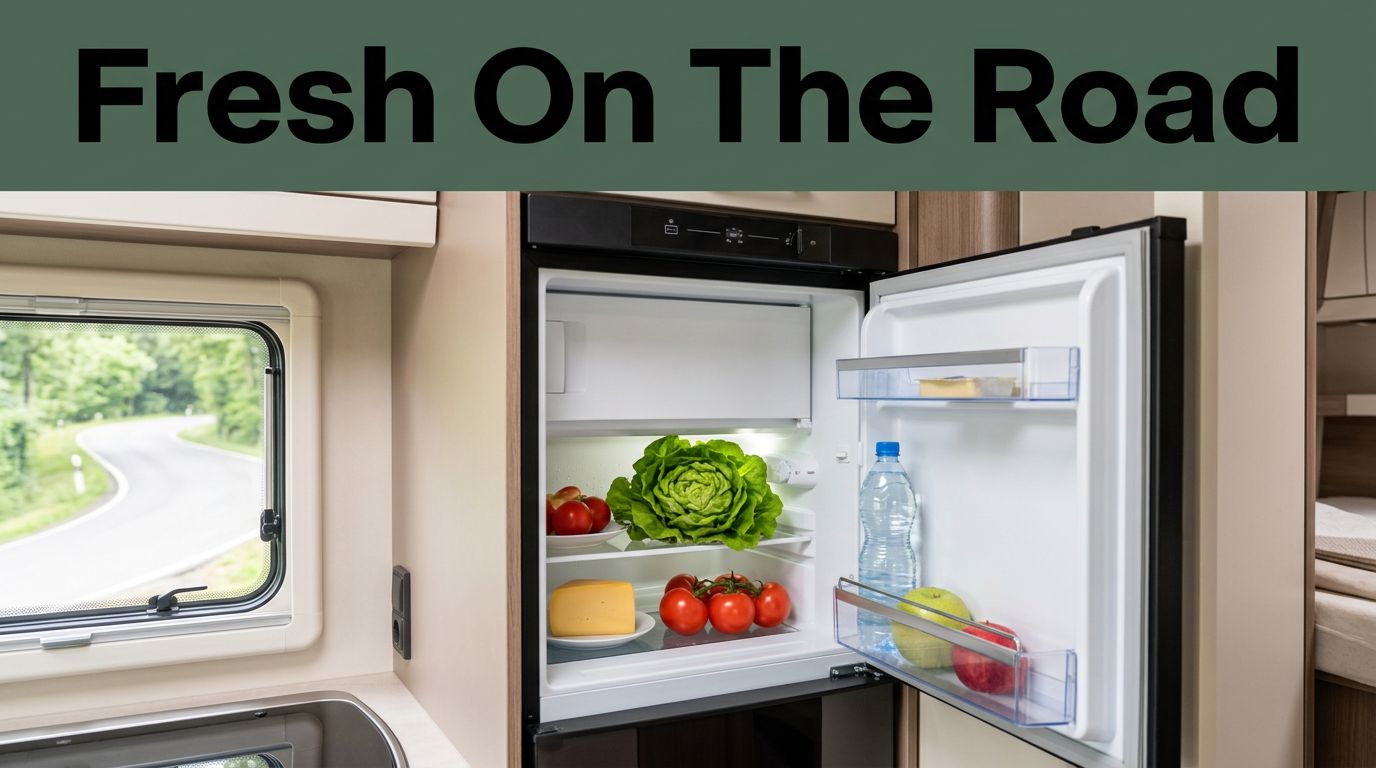
RV Refrigerator Basics to Stop Spoiled Food on the Road
Nothing ruins a camping trip faster than opening your RV fridge to find warm lunch meat, sour milk, and limp lettuce. For new owners, spoiled food usually comes from a few small mistakes, not bad luck.
Once you learn the RV refrigerator basics, daily use gets much easier. A few simple habits can keep food safe whether you camp on weekends, enjoy van life, or travel like full time rv’ers.
Start with the refrigerator you actually have
The first thing to know is what kind of fridge sits in your RV. That one detail changes how you park, how long you pre-cool, and how much battery power you need.
Most RVs use one of two fridge types. An absorption fridge is common in older motorhomes, trailers, and many larger rigs. A compressor fridge is common in newer campers and many van life builds. From the front, they can look almost the same. Behind the scenes, they work in different ways.
This quick comparison helps:
| Refrigerator type | Usual power source | What it does well | What to watch |
|---|---|---|---|
| Absorption | Propane or 120-volt electric | Good for off-grid camping | Cools slowly, needs level parking |
| Compressor | 12-volt battery, sometimes 120-volt | Cools fast, handles heat better | Uses more battery power |
Absorption fridges remove heat through a chemical cooling cycle. Because of that, they need time to settle in and cool down. They also dislike being off-level for long periods. Compressor fridges work more like the fridge in a house. They cool faster, recover faster after the door opens, and usually perform better in hot weather.
If you don’t know which one you have, check the model tag inside the fridge or look in the owner’s manual. That quick check saves a lot of trial and error later.
For new owners, this is where food safety starts. Once you know the type, the rest of the choices make more sense.
Level parking matters more than most owners expect
If your RV has an absorption fridge, level parking isn’t optional. When the rig sits too far off-level, the cooling system can’t move heat the way it should. The result is a fridge that runs all day and still leaves your cheese soft.
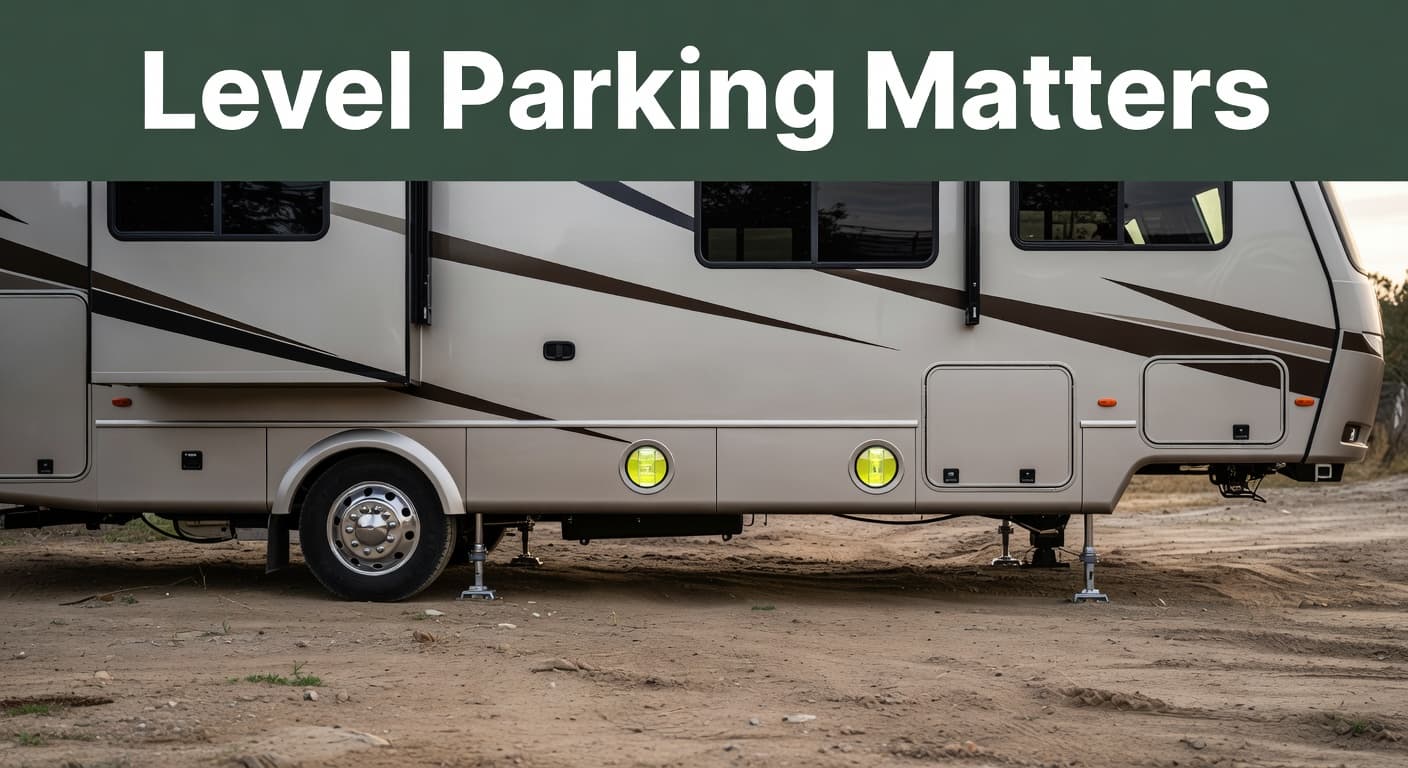
You don’t need perfection. You do need the RV parked close to level whenever the fridge is operating. If the floor feels slanted when you walk, fix it. Leveling blocks and built-in leveling systems make this easier, and they’re worth using even on a quick overnight stop.
Pre-cooling also matters. Turn the fridge on the day before you leave, or at least several hours ahead. A warm RV fridge is a small box trying to cool a pile of groceries in summer heat. That’s a losing fight.
Load food only after it’s cold. Put drinks in the house fridge first. Chill leftovers before packing them. Freeze a few water bottles and place them inside to add cold mass. Because the fridge is small, warm food raises the temperature fast.
A pair of small thermometers helps more than people expect. Put one in the main compartment and one in the freezer. Then you can see what the fridge is doing instead of guessing by touch.
For seniors, that simple routine cuts stress on travel day. You won’t be bending over a cooler, wondering if the food feels “cold enough.”
Smart loading keeps cold air moving
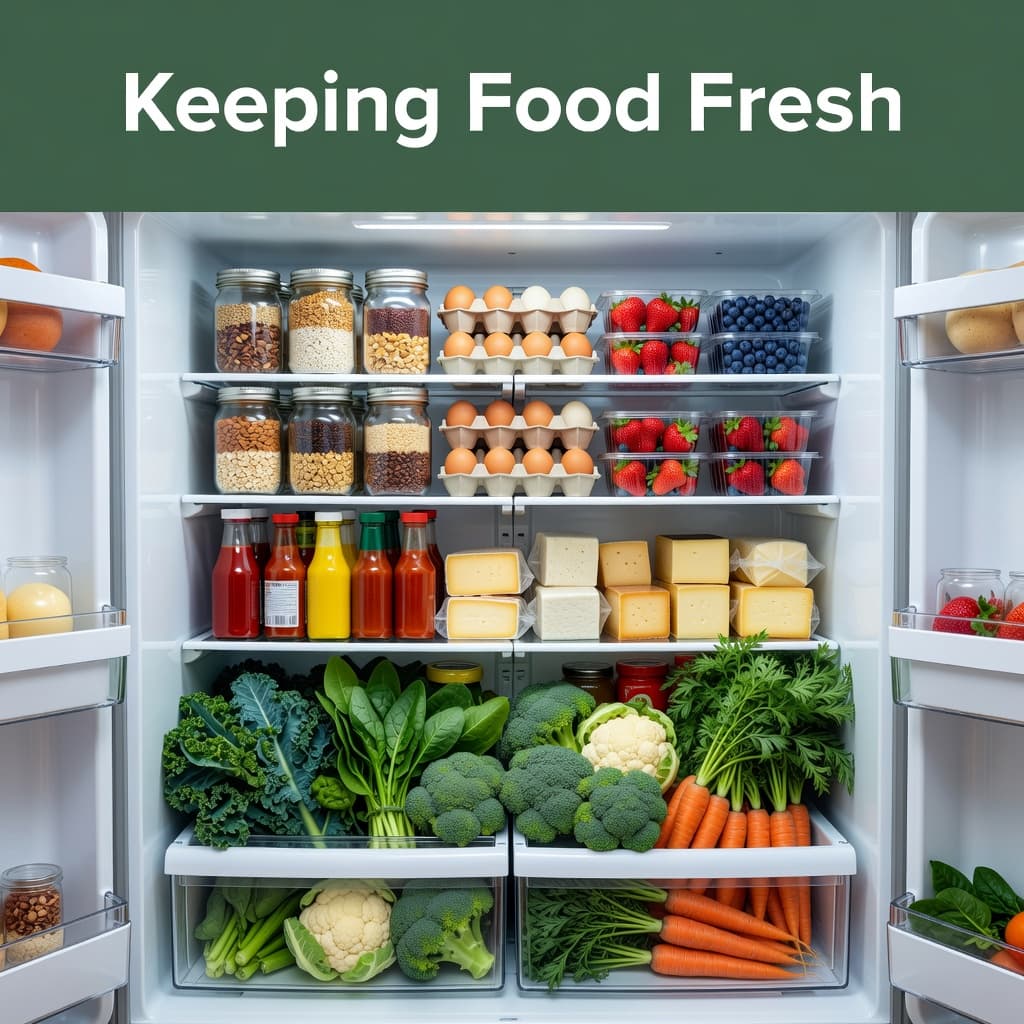
An RV fridge doesn’t hold much, so every inch counts. Still, cramming it full can backfire. Cold air needs room to move around the food. If containers block that airflow, some spots stay warm.
Leave a little space between items, especially near the cooling fins or back wall. Use shallow containers instead of one deep tub. Clear bins also help because they group similar food together. Many full time rv’ers use one bin for breakfast, one for sandwich fixings, and one for snacks. That keeps the door open for fewer seconds.
The door is the warmest part of the fridge. Keep milk, eggs, meat, and medicine on the inner shelves.
Heavy jars belong low and secure. Raw meat should stay on the bottom shelf in a tray or sealed container, so leaks don’t drip onto produce. Condiments can live in the door because they handle slight temperature swings better than dairy.
Organization matters even more during camping season because you open the fridge often. Kids grab drinks, someone wants mustard, and then the door swings open again for dessert. Those small openings add up fast in hot weather.
For seniors, simple layouts help. Put daily items at eye level. Use lightweight containers. Skip glass if hand strength is an issue. The goal is easy access without a long search every time you want lunch.
Good loading isn’t fancy. It’s a steady habit that keeps cold air where it belongs.
Watch temperatures, especially on travel days
Safe food storage has clear targets. Your fridge should stay between 34 F and 40 F. The freezer should stay at 0 F or below. If the fridge climbs above 40 F for long, food quality drops and food safety becomes a concern.
That matters most on travel days. An RV fridge gets tested hard when outdoor heat rises, the sun hits one side of the rig, and the door opens every hour. If you want one of the best camping tips for food safety, it’s this: stock cold, open less, and check temperatures instead of trusting the chill in your hand.
Travel routines help. Before leaving, make sure the door latch is secure. Keep drinks in a separate cooler if your group raids the fridge on the road. When you stop for lunch, grab everything you need in one trip.
Power choice matters too. Some RV fridges run on propane when parked, some switch to 12-volt while towing, and some rely on an inverter or battery bank. Follow your owner’s manual and local rules. Guessing with propane appliances is never smart.
Hot-weather camping adds pressure. Park with the fridge side out of direct afternoon sun when you can. Give the fridge shade. Let hot leftovers cool first. If you’re grocery shopping, head back to camp before running other errands.
People who live this way year-round know that temperatures drift slowly, then all at once. That’s true for weekend campers, van life travelers, and busy families alike. A quick glance at two thermometers can save an entire fridge full of food.
Small maintenance habits prevent big food losses
Most RV refrigerator problems start small. A dirty vent, a torn door seal, or a wall of frost can slowly cut cooling power. Then one hot afternoon turns a small issue into a bag of spoiled groceries.
Start with the easy stuff. Wipe the door gasket so it seals well. Defrost when frost starts building up. Clean spills fast because sticky residue can keep the door from closing tight. If your fridge has outside access vents, keep them clear of dust, nests, and road grime.
When cooling starts to slip, check a few things before you panic:
- Make sure the RV is level, especially with an absorption fridge.
- Confirm the fridge has the right power source selected.
- Look for blocked vents, thick frost, or a loose door seal.
- Check whether you loaded a lot of warm food at once.
If you smell ammonia or see yellow residue near the cooling unit, stop using the fridge and get service. That can point to a failed cooling unit. If the burner area looks dirty or rusty on a propane model, have a qualified technician inspect it.
Routine care is easier when good advice shows up before a problem does. The RV Life Insider website and newsletter are useful for that kind of practical help. You can View All Our Newsletters for more camping tips, and you can View Our Website for travel guides, planning tools, blogs, products, and community resources.
A fridge doesn’t ask for much. Keep it level, clean, cold, and organized, and it usually returns the favor.
Final Thoughts
Spoiled food in an RV is often a habit problem, not a mystery. Know your fridge type, pre-cool it early, keep the rig level, and watch the temperature with real thermometers.
Those few steps make camping easier, especially for seniors who want simple routines that work. When the fridge stays steady, the whole trip feels smoother, and dinner is still waiting when you stop for the night.
This post may contain affiliate links. If you make a purchase through these links, I may earn a small commission at no extra cost to you.