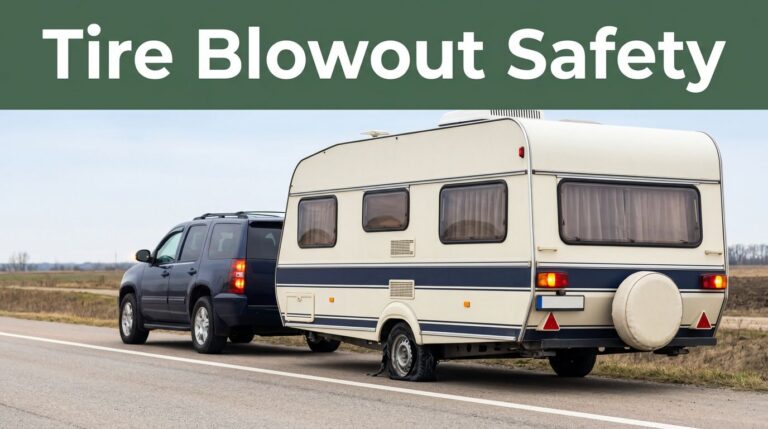

20-Minute RV Camp Setup for Seniors With Less Stress
A hard arrival can drain the fun from an RV trip before supper. For many seniors, the problem isn’t camping itself. It’s the bending, backtracking, and small mistakes that pile up when you reach the site tired.
The fix is a repeatable setup routine. When the same few tasks happen in the same order, your RV feels less like work and more like home. Start with the steps that save energy first.
RV setup tips for seniors start before you park
Most setup time disappears before the wheels stop. Maybe the site is uneven, the power post is farther than expected, or the wheel chocks are buried under fishing gear. A calm arrival starts earlier, when you know where you’re going and what you’ll need first.
If the campground sends a map, study it before you pull in. Look for the hookup side, low branches, and tight turns. Then, once you arrive, take one slow walk around the site. That minute often saves ten. You’ll spot soft ground, a picnic table in the way, or a tree branch sitting right where your slide needs room.
Also, pack your arrival gear in one easy place. Keep wheel chocks, leveling blocks, gloves, a flashlight, your power adapter, and the water pressure regulator near the door or in the first exterior bay. Heavy items belong between knee and chest height. That saves your back, and it cuts awkward lifting.
Many seniors do better with simple job sharing. One person guides the driver and watches clearances. The other handles hookups or checks the bubble level. If you travel solo, keep a short setup card on the dash. A laminated list clipped to the visor works well because it stays put and doesn’t get lost in a drawer.
If you want more trip planning help beyond these camping tips, View Our Website for travel guides, planning tools, blogs, products, and community resources built around RV travel.
Even full-time RV’ers forget gear when they change rigs or rearrange storage. The same goes for people drawn to van life, where small spaces punish clutter fast. A short pre-arrival habit keeps both styles easier.
The best arrival routine is one you can follow when you’re tired, hungry, and losing daylight.
A 20-minute campsite routine that saves energy
Once you’re parked, use the same order every time. That keeps your mind clear after a long drive. It also helps both partners know what comes next, without a lot of extra talk.

Use this as a base routine, then adjust it to your rig.
| Time | Task | Why it helps |
|---|---|---|
| 0 to 2 minutes | Park, set the brake, and step out slowly. | A calm start prevents missed steps. |
| 2 to 5 minutes | Check level, place chocks, and add blocks if needed. | Stability comes before comfort. |
| 5 to 9 minutes | Level and stabilize the RV, following your owner’s manual. | Each rig has its own safe order. |
| 9 to 12 minutes | Connect electric if you want lights, heat, or AC right away. | Power makes the rest easier. |
| 12 to 15 minutes | Hook up water and check for drips. | A quick leak check prevents surprises. |
| 15 to 20 minutes | Put out the step mat, bring in meds, pet gear, and one chair. | Comfort arrives fast, without a full unpack. |
That routine covers the basics. It doesn’t mean every campsite task must happen before you rest. For a one-night stop, many campers skip the sewer hookup unless they need it. That’s a practical move, not laziness. One less task at dusk means one less chance to rush.
Some of the best RV setup tips for seniors are really permission slips. You do not need the awning out, the patio rug down, and the grill ready before you sit down. If the wind is up or the light is fading, stop after the basics. Eat, rest, and finish in the morning.
One more note matters here. Slides and leveling order can differ by manufacturer, so follow your owner’s manual. A fixed routine works best when it respects how your RV was built.
Set up your gear so your body does less work
The most useful RV setup tips for seniors often have nothing to do with speed. They reduce bending, twisting, and carrying. When gear lives in the right place, your body pays less for every stop.
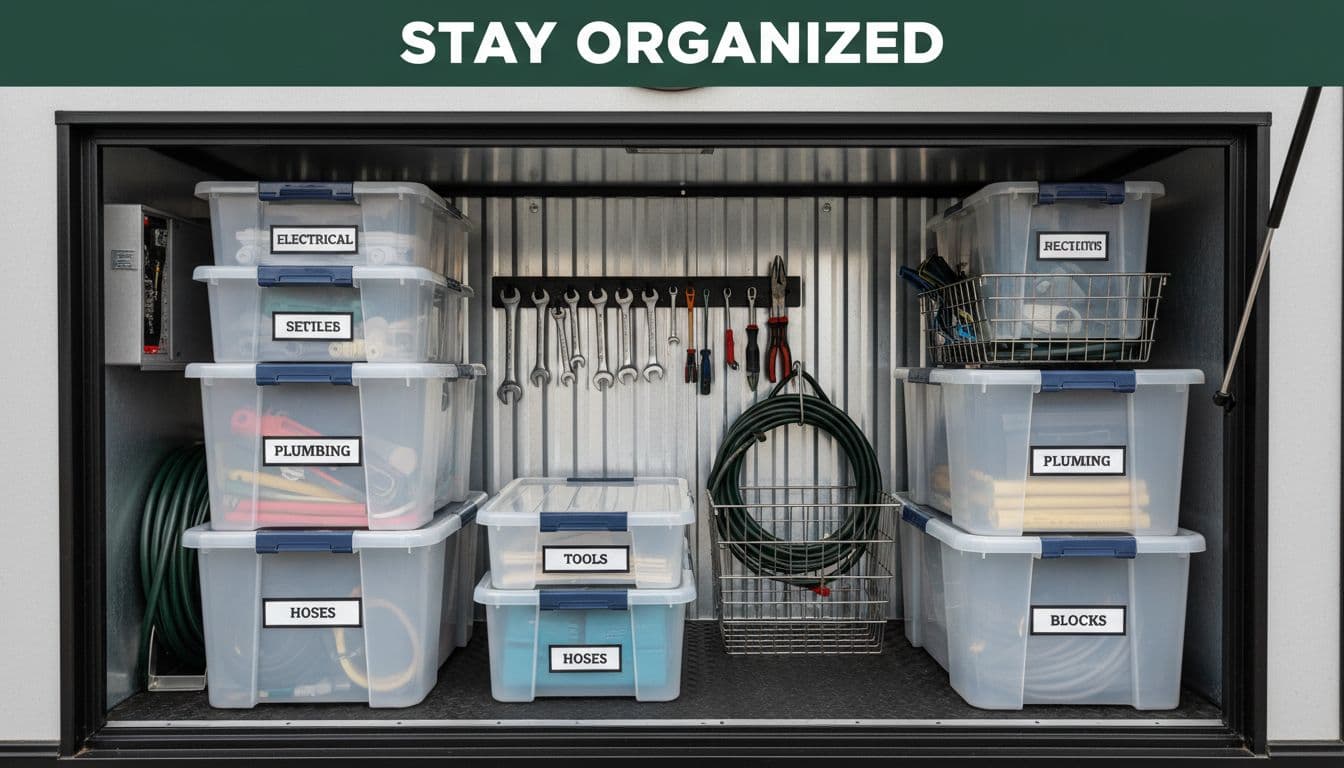
Start by giving every hookup item a permanent home. Put electric gear together, water gear together, leveling gear together. Use small bins or zip bags in different colors. You shouldn’t have to dig past sewer fittings to find gloves or a 30-amp adapter.
Then keep your first-reach items where your hand lands first. A knee pad, headlamp, and work gloves belong near the latch, not under lawn chairs. If a cord feels heavy, use a reel or a tote with solid handles. If you use stabilizer pads, store them in a shallow bin instead of a deep tub. Deep tubs hide clutter and force awkward lifts.
A simple first-reach kit usually includes:
- Wheel chocks with easy-grab handles
- Leveling blocks in a small carry bag
- Gloves and a headlamp
- A power adapter and surge protector
- A water pressure regulator and short hose
- A small towel for wet hands
Because campsites vary, store the same basics in the same spot every trip. In addition, keep heavier items in mid-height bays whenever possible. That one storage change helps knees, shoulders, and balance.
Small gear changes also matter. Lightweight drinking-water hoses are easier on sore hands. Larger zipper pulls help if grip strength isn’t what it used to be. If your stabilizers or tongue jack support power tools, that can save time and strain too. Still, use the tool and setting your RV maker allows.
Good storage is one of those camping tips that pays off every single day. You spend less time searching, and you finish setup with more energy left for the evening.
Common setup mistakes that turn arrival into a chore
Many setup problems come from trying to finish too much, too fast. A campsite only needs to be safe and comfortable on arrival night. It does not need to look settled for a week.
A calmer site helps too, especially if you have a choice between pretty and easy. Pick the site with better access, less slope, and fewer low branches. That simple choice can save several trips around the RV.
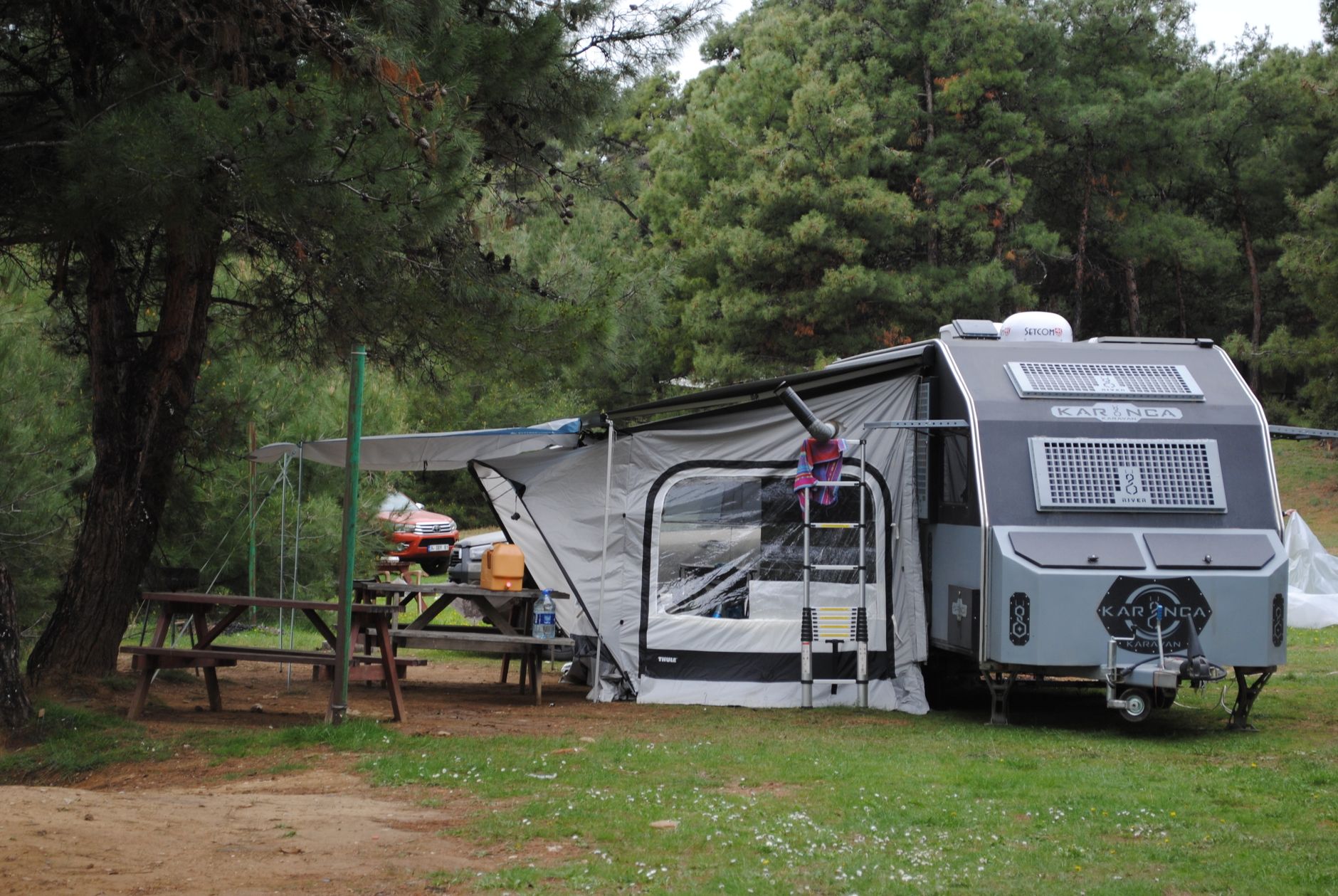
Photo by Nisa Yurtsever
Another common mistake is unloading the whole outside living area for a short stay. If you’re stopping for one night, one chair and a step mat may be enough. The rug, lantern string, folding table, and extra bins can wait. That matters even more when you’re tired or the weather is turning.
Arriving too late is another stress trigger. When you can, plan shorter driving days and get in before dark. Also, keep meds, water, and a quick snack easy to grab. Low blood sugar makes every small task feel heavier.
Some people also copy social media habits that don’t fit real life. Van life videos and younger campers often show quick, polished setups. That pace doesn’t need to be your pace. Seniors do better with routines built around comfort and safety, not speed for the camera.
If you like practical ideas from other campers, the RV Life Insider newsletter lineup is worth a look. You can View All Our Newsletters for fresh tips, travel notes, and useful reminders that fit real RV camping.
The last mistake is pride. If a site feels awkward, ask for another one if the campground has options. If a neighbor offers a quick hand spotting you in, take it. Less stress is the goal, and there is no prize for doing every part the hard way.
A calmer arrival changes the whole trip
A low-stress setup comes from repetition, not hustle. Keep arrival gear easy to reach, follow the same order each time, and stop after the basics when that’s enough.
That is the heart of good RV setup habits for seniors. When setup takes 20 calm minutes instead of 45 rushed ones, the campsite starts to feel like rest again.
This post may contain affiliate links. If you make a purchase through these links, I may earn a small commission at no extra cost to you.