How to Choose Senior-Friendly RV Parks for a Safer Stay
Choosing a park can feel a bit like buying shoes from a photo. It may look great online, then feel wrong the minute you step out of the rig.
That matters more as the years go by. For many seniors, a good stay depends less on flashy extras and more on easy walking, solid footing, and a layout that doesn’t wear you out. If you want a safer trip in a senior-friendly RV park, start with the details that affect your body every day.
Start with the site, not the resort extras
A pretty clubhouse won’t help much if your campsite is sloped, muddy, or hard to walk around. In most parks, the site itself tells you right away whether the stay will be easy or tiring.
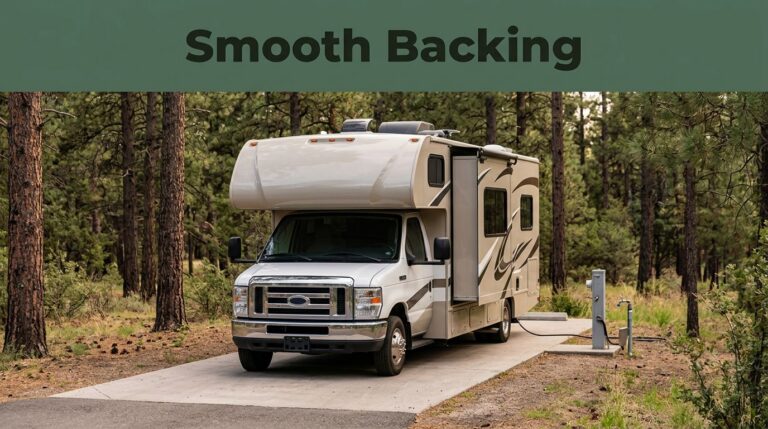
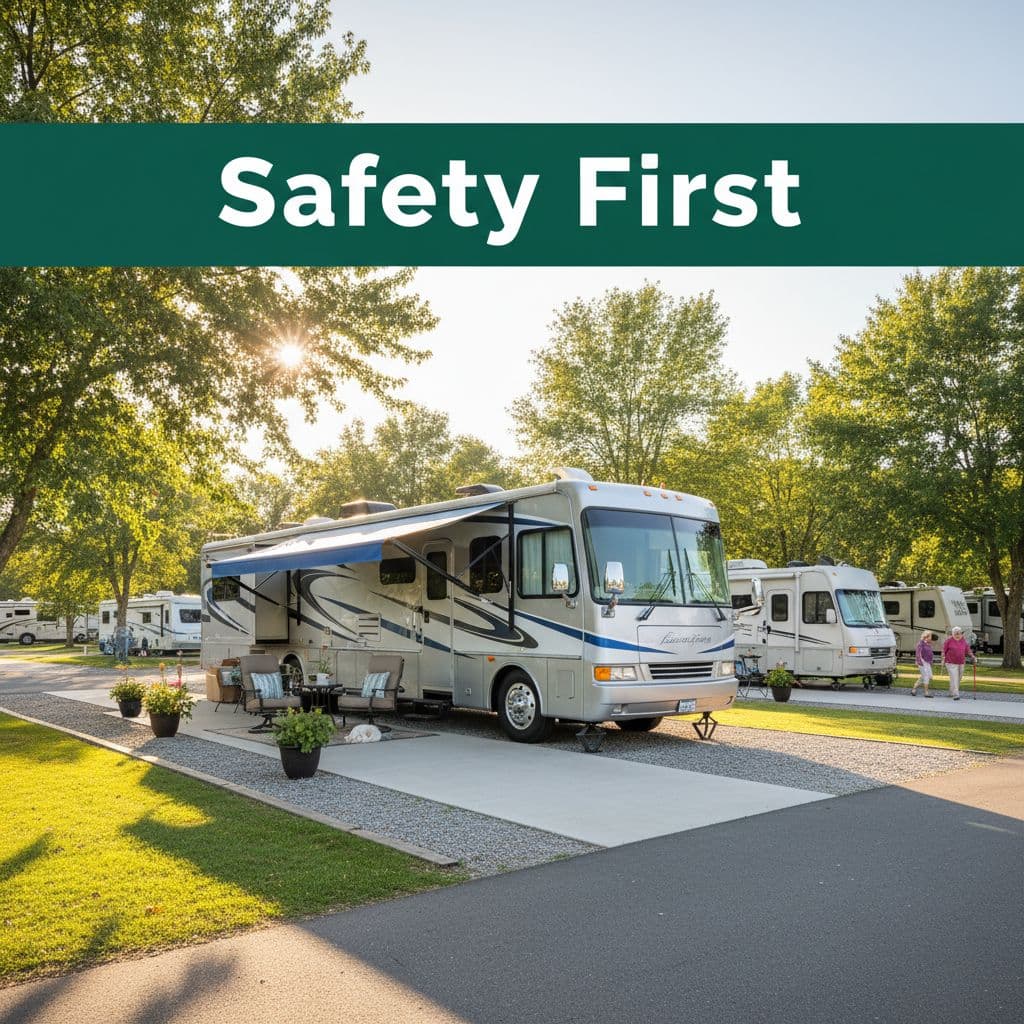
First, look for a level pad. A flat site makes setup simpler, and it lowers the risk of slips once you’re parked. Wide spaces also matter, because opening doors, reaching hookups, and moving around a big rv takes room. If backing in raises your stress, ask for a pull-through site before you book.
Three basics deserve the closest look:
| Feature | Good sign | Red flag |
|---|---|---|
| Site surface | Level gravel, concrete, or packed pad | Deep ruts, loose stone, mud |
| Walking route | Smooth path to restrooms and office | Uneven ground, roots, steep grade |
| Bathhouse access | Step-free entry, grab bars, non-slip floors | Narrow doors, slick tile, no support rails |
Those three features matter more than most amenity lists. If the ground is stable, the path is easy, and the bathroom works well, the whole stay feels lighter.
Distance also counts. A site near the bathhouse, laundry, or office can save a lot of steps. Some campers want total quiet, while others want easy access. The best choice often sits in the middle, close enough to walk without strain, but far enough from traffic and headlights.
If the site feels awkward in daylight, it usually feels worse after dark.
Don’t forget the step into your own rig, either. Ask if the pad sits high or low against the rv door. Even a small tilt can make entry harder. For older campers, that small daily climb adds up fast.
Check the paths you’ll use every day
Most people study the campsite and forget the rest of the park. Yet the walk to the restroom, dog area, mailbox, or laundry room is what you’ll repeat every day.
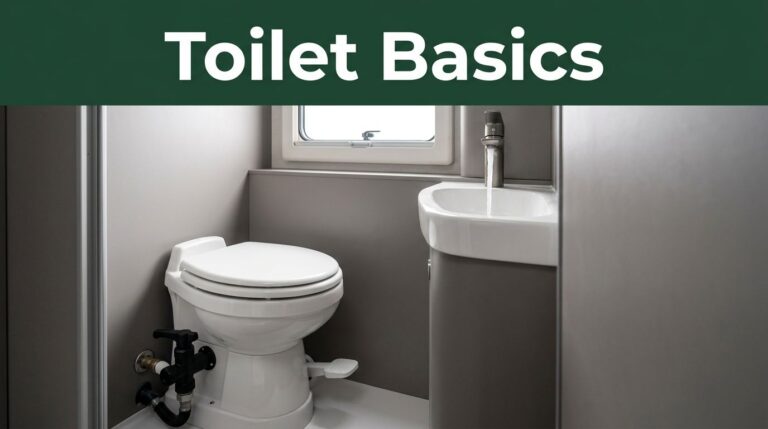
Start with the bathhouse. Older knees, hips, and backs don’t do well with slippery floors or tight shower stalls. Look for wide doors, grab bars, shower seats, and good drainage. Recent accessibility guidance across rv park resources keeps circling back to the same point: level sites, smooth paths, and accessible bathrooms make the biggest difference.
Lighting deserves equal attention. A park can feel fine at noon and risky by 9 p.m. You want bright lights near steps, restrooms, and road crossings. That doesn’t mean stadium glare. It means clear, steady lighting that helps depth perception and cuts down on trips and falls.
Laundry and shared spaces matter more on longer stays. Front-loading machines, seating nearby, and step-free access all help. Benches along longer walking routes are also useful, especially in larger parks where the office or bathhouse sits a few hundred yards away.
Noise is part of safety too. Sleep matters. A site beside the entrance, dumpsters, or a late-night social area may leave you tired the next day. Ask for a quieter loop if you wake easily or take medication that makes rest important.
Medical access should stay on your list. Check the drive time to urgent care or a hospital, especially if you’re staying in a rural area. Also ask about cell signal. If you need to make a quick call, you don’t want to walk around waving your phone in the air.
This is where practical camping tips beat glossy photos. Picture your normal routine, morning coffee, a shower, an evening walk, maybe a midnight restroom trip. If the park makes those simple tasks easy, it’s probably a good fit.
Use reviews, maps, and one phone call
A park’s website shows its best angle. Reviews tell you what it feels like on a Tuesday after rain.
When you read reviews, skip vague praise and hunt for concrete details. Words like “level,” “well-lit,” “clean bathhouse,” “easy to back in,” and “quiet at night” are useful. So are warnings like “long walk,” “steep hill,” “dark roads,” or “slippery shower.” A helpful piece on accessibility reviews for RV campgrounds makes the same point: match review language to real features, not marketing claims.
A second smart move is to study the map. Satellite view can show road width, tree cover, pond edges, and how far sites sit from key buildings. Organized loops, clear spacing, and direct routes usually signal a park that is easier to use.
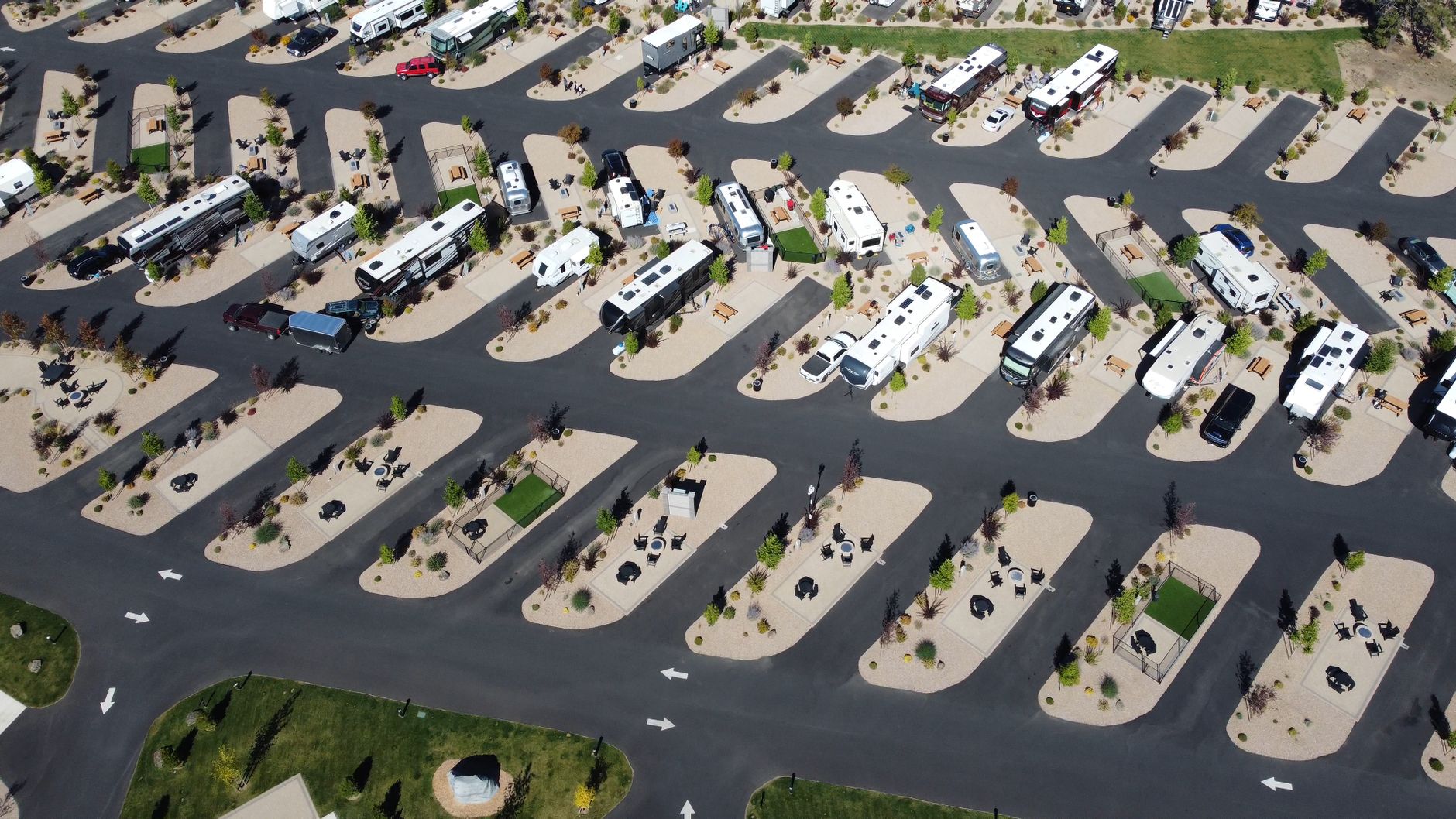
Photo by Viktoria B.
Then call the office. A three-minute call can tell you more than a twenty-photo gallery. Medical Center RV Resort’s guide to choosing a campground also stresses confirming ramps, path surfaces, and bathroom access before booking. That’s solid advice.
Ask a few plain questions:
- Is the site level, and is the walk to the bathhouse paved or smooth?
- Do the restrooms have grab bars, shower seats, or step-free entry?
- Which loop is quietest and closest to the office or laundry?
- Are there any steep grades, curbs, or narrow spaces near this site?
You don’t need a long interview. You need clear answers. If staff hesitate or sound unsure, that’s useful information.
Current information matters because parks change. Ownership changes, maintenance slips, and a good review from last year may not help much now. For fresh travel ideas and updates, you can receive RV park tips via email. You can also View All Our Newsletters for more trip inspiration, or View Our Website for travel guides, planning tools, blogs, products, and community resources.
If you’re still comparing options, this guide to finding RV campgrounds is also useful because it reminds travelers to combine filters, map views, and recent user feedback instead of relying on one source alone.
Match the park to the way you travel
The right park for a one-night stop may be wrong for a two-week stay. That is why the best choice depends on how you camp, not just where you’re headed.
For overnight stops, easy access often matters most. Pull-through sites, late check-in, simple hookups, and quick restroom access can save energy. On longer stays, you’ll care more about laundry, seating, shade, package pickup, and how far you have to walk each day. For many full time rv’ers, those routine details shape comfort more than resort perks.
Travel style matters too. If you moved into rv travel after years of van life, you may be used to rougher spots and smaller spaces. Still, comfort changes with time. What felt fine at 55 may feel harder at 70. There is nothing wrong with picking a park that asks less from your joints.
One of the best camping tips for older travelers is to book the site, not only the park. A good park can have a bad row. Maybe the best sites sit near the dog run, or the easiest loop fills first. Ask for the exact type of site that fits your needs.
Weather should shape your choice as well. In hot climates, look for shade and shorter walks. In wet areas, paved paths and proper drainage matter more. In colder months, close propane access, protected hookups, and less wind exposure make life easier.
Cost counts, of course. Yet cheaper isn’t always better if it leaves you with a hard climb, poor lighting, or a long walk on loose gravel. A slightly higher nightly rate can buy a safer setup and a better night’s sleep. For seniors who love camping, that is often money well spent.
Conclusion
A park that looks nice online can still be tough on tired knees, sore hips, or nighttime vision. The safest choice usually comes down to simple things, a level site, smooth walking paths, and a bathroom you can use with confidence.
When you compare senior-friendly RV parks, picture the small moments of the day, not the brochure cover. If those moments look easy, the stay probably will too. That is the kind of safe camping setup that keeps rv travel fun for years.
This post may contain affiliate links. If you make a purchase through these links, I may earn a small commission at no extra cost to you.