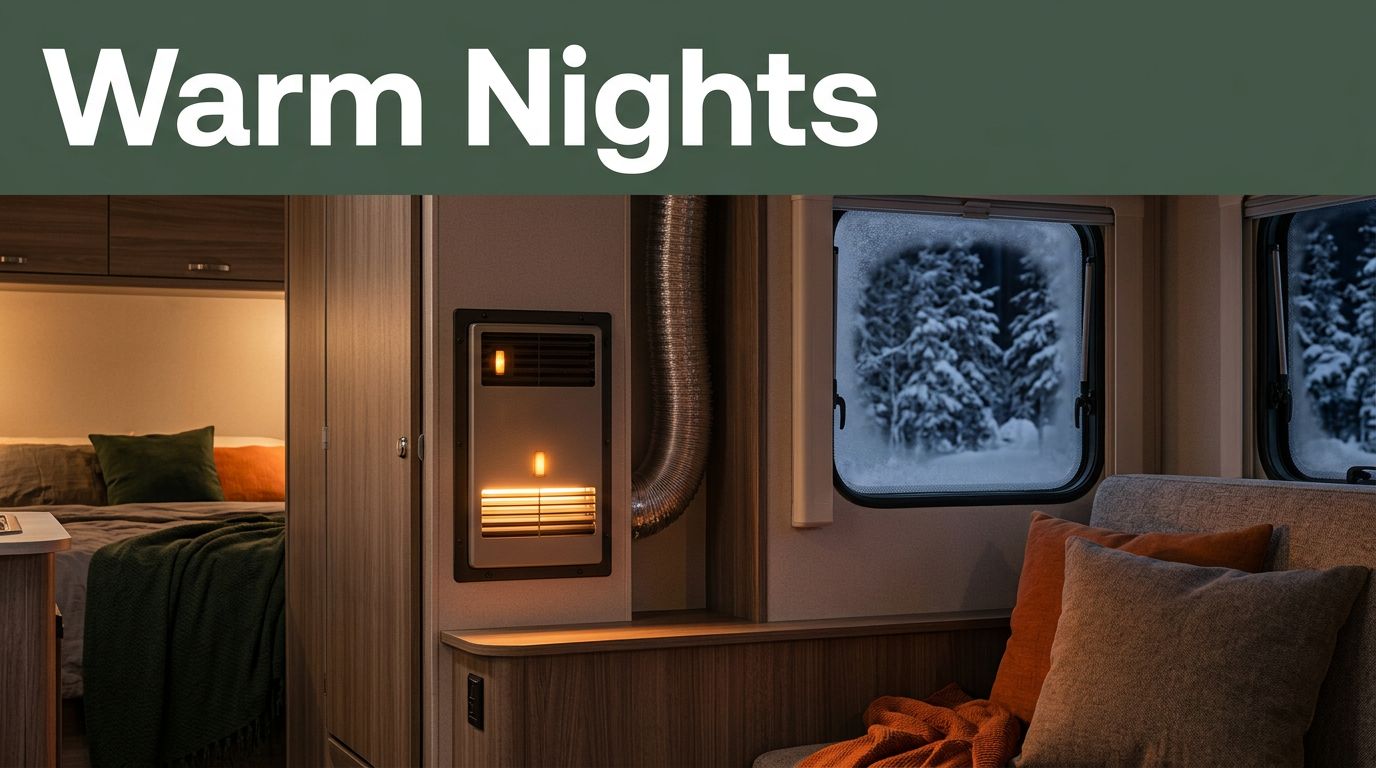
RV Furnace Basics for Cool-Weather Camping
Waking up in a cold RV at 2 a.m. is a lesson you will not soon forget. For first-time owners, the heating system can feel mysterious until a trip involving cold-weather camping turns it into the most important appliance in the rig.
The good news is that understanding rv furnace basics is not difficult. Once you learn the fundamentals of propane, battery power, airflow, and a few safety checks, you will sleep warmer and worry less. Start by learning how the system functions, then build a few essential habits before you head to bed.
Key Takeaways
- Integrated Systems: RV furnaces rely on a combination of propane for fuel, 12-volt battery power for electronics and fans, and clear airflow through ducts to operate effectively.
- Preventive Maintenance: Always inspect your exterior furnace exhaust for blockages and ensure your propane levels and battery charge are sufficient before bedtime.
- Safe Heating Habits: Never use your stove or oven for heat, as they pose significant fire and carbon monoxide risks; instead, use thermal curtains and rugs to retain heat.
- Troubleshooting Basics: If the furnace cycles frequently or fails to ignite, check for blocked return air, low battery voltage, or interrupted propane flow before calling a technician.
How an RV furnace works when the temperature drops
Most travel trailers, fifth wheels, and motorhomes utilize a forced-air furnace to maintain a comfortable cabin temperature. When your thermostat calls for heat, the control board initiates the ignition sequence by first activating the blower motor. This fan creates the necessary airflow to engage the sail switch, which confirms that the system is ready for safe operation. Once confirmed, the furnace introduces propane and creates a spark to ignite the burner inside the sealed combustion chamber.
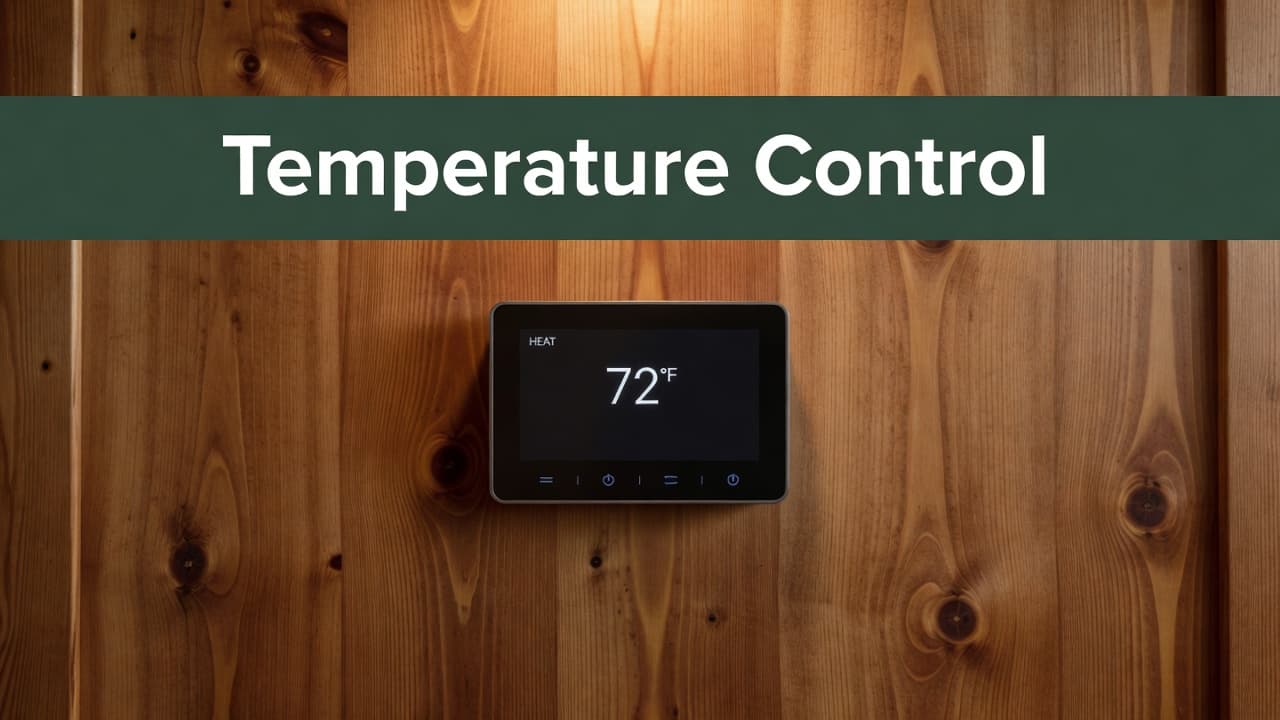
It is important to remember that your heating system requires more than just fuel. The unit relies on 12-volt DC power to operate the electronics and the fan. Many full time RVers learn this early, as a weak battery can prevent the system from starting even when your propane tank is full. Furthermore, the unit features a limit switch that acts as a vital safety component by monitoring internal temperatures to prevent overheating. Depending on the size of your rig and its specific BTU rating, warm air is pushed through the ducts to keep your living space cozy.
You will typically hear the fan engage before you feel any heat. Once the cabin reaches the desired setting, the burner shuts off, though the fan may continue to run briefly to cool the system down. Even in smaller rigs, the same mechanical basics apply. If any component fails, the entire heating process will struggle.
The following table outlines the essential parts to monitor for a successful, warm night.
| Component | What it does | What to check |
|---|---|---|
| Propane supply | Feeds the burner | Check tank level and open valves |
| 12-volt DC power | Runs the fan and controls | Confirm a healthy charge before bed |
| Return air and ducts | Move warm air through the rig | Keep vents and intakes clear |
| Exhaust vent | Sends fumes outside | Remove leaves, insect nests, and light snow |
The takeaway is simple. A working furnace depends on multiple systems operating in harmony, so a quick check of these elements saves time later. While a brief dusty smell during the first run of the season is often normal, be alert for signs of trouble, such as a raw gas smell, soot, or repeated failed ignition attempts.
Smart checks to make before you go to sleep
The best cold-weather camping tips start before the temperature drops, incorporating a little preventive maintenance to ensure your system is ready. Run the furnace through a full cycle while you are still awake. That gives you time to catch a low battery, an empty propane tank, or a vent blocked by gear.
Next, step outside and look at the furnace exhaust. Leaves, mud dauber nests, slush, and even a plastic bag can interfere with airflow. Inside, keep blankets, shoes, pet beds, and storage bins away from floor ducts and the return-air opening.
Never use the stove or oven to heat the RV. They add moisture and can raise fire and carbon monoxide risk.
A few bedtime checks make a big difference:
- Test your CO detectors and ensure your propane alarm is functioning.
- Confirm the thermostat is set to heat, not cool or fan.
- Listen for one normal heating cycle before lights-out.
- Keep a charged flashlight nearby in case the battery drops or power goes out.
For seniors, those few steps beat climbing out of a warm bed to troubleshoot a cold rig after midnight. They also help first-time owners learn what normal sounds and timing are. When something changes later, you will notice it sooner.
If you are plugged into shore power, do not ignore the battery. Many furnaces still need good 12-volt power to light and run, even when the RV is connected at the pedestal. A weak battery or converter problem often shows up on the first chilly evening.
One more habit helps on damp nights. Crack a roof vent slightly if condensation starts building on the windows. The furnace is vented outside, but your breathing and cooking still add moisture inside the coach.
Common RV furnace problems and troubleshooting
Even a healthy furnace can act finicky in cool weather. Most issues fall into a few familiar patterns, and effective troubleshooting can help a beginner narrow them down without guessing.
The fan runs, but the air never gets warm
Start with the basics. Low propane levels, a closed tank valve, or a weak battery are the most common causes. If you recently changed tanks, a little air in the line can delay ignition. If the fan runs but the burner fails to light, the direct spark ignition may be struggling to ignite the gas. If the gas valve does not open properly, or if the system fails to light after several attempts, the control board will enter a lockout mode for safety.
Check whether other appliances are working normally. If the stove and water heater also struggle, the problem likely stems from your supply. If the burner still will not catch after checking these items, stop cycling the unit and seek professional help.
The furnace starts, then shuts off too soon
Proper airflow is essential for safe operation. Closed registers, blocked return air, or packed storage around the furnace can cause the unit to overheat and shut down prematurely. If the unit continues to cycle improperly, it could indicate a damaged heat exchanger, which is a serious issue that must be addressed by a certified technician.
Thermostat placement can also fool you. In some RV floorplans, the thermostat sits close to a warm vent or direct sun from a window. As a result, it reads the front area as comfortable while the rest of the cabin still feels cold.
One end of the RV stays chilly
Uneven heat is common in longer rigs. Warm air takes the shortest path, so the nearest vent may push strong airflow while the farthest one barely whispers. Try partly closing the warmest vent, opening the cooler area vents fully, and leaving interior doors open to help circulate air through the ducts.
In van life layouts, one blocked vent can change the whole cabin. A folded blanket, a grocery bag, or stored boots can cut off circulation more than you might think.
The battery drops faster than expected
Furnace blowers use more 12-volt power than many new owners expect. If you are boondocking, a cold night can take a modest battery bank down by morning. If the system experiences low voltage, the blower will slow down, which can trigger safety sensors and cause the furnace to shut off. Lowering the thermostat a few degrees, pre-heating the RV before bed, and using heavier bedding can stretch your power supply.
If you smell raw propane, see black soot around the exterior vent, hear loud scraping metal, or your alarm goes off, turn the furnace off immediately. Those signs point to a problem that needs an RV technician, not more trial and error.
Ways to stay warm without overworking the furnace
Staying warm isn’t only about running the furnace more. Small changes inside the rig can cut heat loss and make the living space feel steadier all night. Regular furnace cleaning is a great way to ensure your system runs efficiently, which helps the burner maintain temperature without struggling.
Start with the surfaces that leak the most. Bare vinyl floors feel cold fast, so a rug helps more than many people expect. Large windows lose heat quickly, and so do roof vents, entry doors, and the cab area in motorhomes. Thermal curtains, vent cushions, and weatherstripping can make the furnace cycle less often.
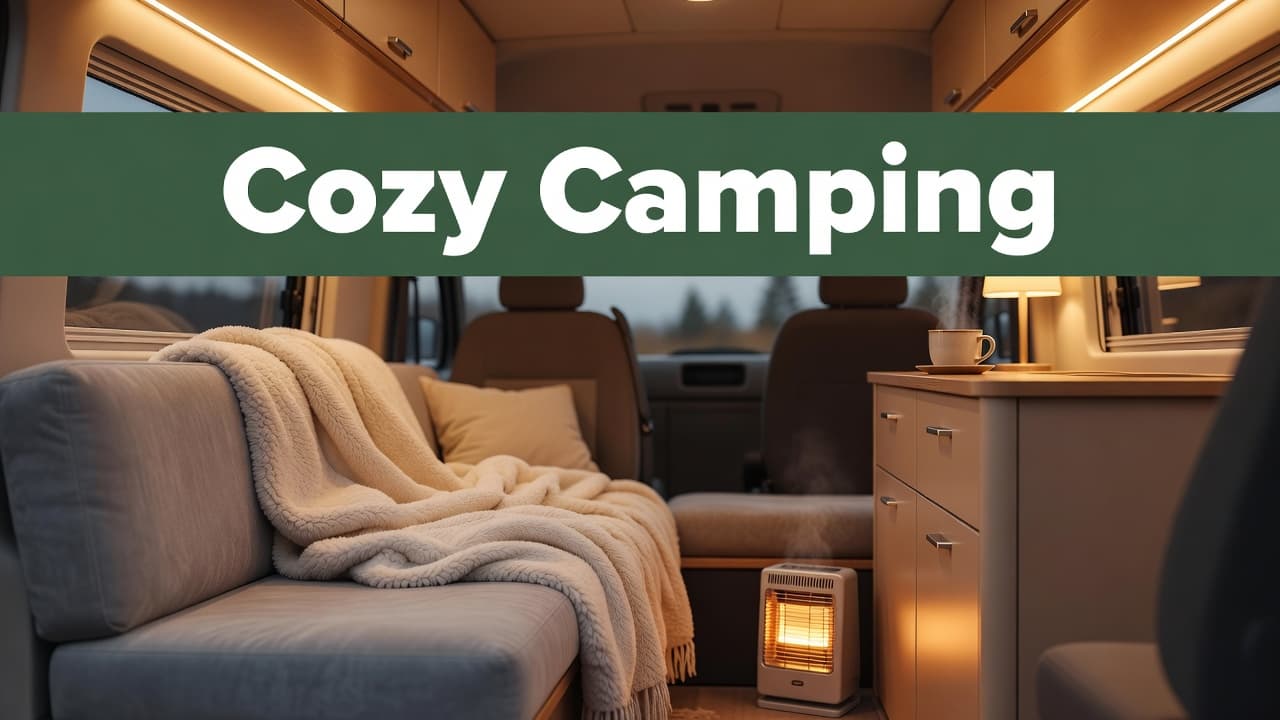
If you have shore power, a small space heater can take the edge off in the living area. Alternatively, if your RV air conditioner supports it, you might utilize a heat pump to provide efficient warmth during milder cool-weather trips. Still, don’t rely on electric heat alone until you know how your rig protects its plumbing. In many RV layouts, the furnace also sends warmth toward the underbelly or tank area, while a portable heater or heat pump warms only the room you are sitting in.
For seniors, comfort often improves more with bedding than with a higher thermostat. Flannel sheets, warm socks, and a heated mattress pad on shore power can make 64 degrees feel comfortable. That also saves propane and battery power.
RV Life Insider is a helpful stop for practical advice like this. You can View All Our Newsletters for seasonal reminders, and View Our Website for blogs, travel guides, planning tools, community tips, and marketplace ideas.
Frequently Asked Questions
Why does my RV furnace fan run but the air stays cold?
This usually indicates that the burner failed to ignite or the gas flow is interrupted. Check your propane tank level, ensure the tank valve is fully open, and confirm your battery has enough voltage to power the ignition sequence.
Can I use a portable space heater instead of my RV furnace?
While space heaters are great for supplemental warmth when plugged into shore power, they do not heat the underbelly or tank compartments like the RV furnace. Relying solely on electric heat can leave your plumbing systems vulnerable to freezing in extreme temperatures.
What should I do if my furnace keeps shutting off prematurely?
Short cycling is often caused by restricted airflow, such as blocked floor registers or a cluttered return-air vent. Ensure all vents are clear of gear, and if the problem persists, check for a faulty thermostat or a potential issue with the internal heat exchanger.
Why is my battery dying when I run the furnace overnight?
The furnace blower motor draws significant 12-volt power, which can drain a weak or small battery bank by morning. To conserve power, consider lowering the thermostat at night, using extra blankets, or ensuring your batteries are fully charged before you start your trip.
Warm nights start with a few basics
Once you understand how your furnace works, cold weather feels a lot less intimidating. Propane supply, battery charge, open airflow, and safe habits do most of the heavy lifting.
Mastering these rv furnace basics is essential for staying comfortable throughout your trip. By learning the sound of a normal heating cycle and performing a quick system check before bed, you can ensure that a sudden temperature drop does not catch you off guard. Taking these simple steps will help you enjoy the beauty of cold-weather camping without sacrificing your warmth or peace of mind.
This post may contain affiliate links. If you make a purchase through these links, I may earn a small commission at no extra cost to you.