How to Read Campground Reviews and Catch Red Flags
A five-star campground can still give you a rough night. Most travelers glance at the rating, skim two comments, and miss the details that matter when building their RV trip planner.
When you read campground reviews with a sharper eye, weak spots show up fast. You can spot noise, bad hookups, steep roads, muddy pads, and long walks to the bathhouse before they ruin a trip.
Key Takeaways
- Look for patterns over star ratings: A high rating doesn’t guarantee a perfect stay; focus on recurring complaints across multiple recent reviews to identify genuine issues.
- Filter by your specific travel style: A review is only relevant if the traveler shares your rig type, comfort requirements, and camping priorities.
- Read between the lines: Phrases like “interesting roads” or “cozy sites” often serve as polite code for steep terrain, tight spaces, or a lack of privacy.
- Verify with direct action: Use satellite maps and phone calls to confirm specific concerns about site size, utility health, or accessibility before committing to a reservation.
Start with patterns, not stars
The average score is often the least useful part of most campground reviews. A park can hold a solid rating and still have a handful of problems that make it a bad fit for your specific trip.
First, read the newest reviews because campgrounds change quickly. New owners arrive, roads wash out, bathhouses get renovated, and a once-quiet place can turn into a busy stopover. A glowing review from three years ago won’t help much if the park has slipped since then. It is also important to note that reviewers for a state park often focus on different priorities, such as scenery and trail access, compared to those evaluating private campgrounds, which are usually judged on amenities and site layouts.
Next, spend extra time on the three-star reviews. These often come from people who liked some parts of the stay but still noticed genuine issues. One-star posts can be helpful, but some are written in the heat of the moment, while five-star posts can be equally thin. A balanced review usually provides more facts.
Also, watch for repeated complaints. One camper saying the sites were unlevel might be picky. However, five people saying the same thing across six months tells a different story. Patterns matter more than raw emotion.
This quick guide helps decode common language found in feedback:
| Review phrase | What it may mean for you |
|---|---|
| “Rustic” | Few amenities, rough roads, or older facilities |
| “Sites are close together” | Less privacy, more noise, tighter parking |
| “Family resort” | Busy days, kids on bikes, more activity |
| “Older park with charm” | Could be pleasant, but utilities may be dated |
The table does not mean those phrases are always bad. It simply means you should keep reading to see if the characteristics fit your needs.
Management replies can help, too. A calm, useful response is a good sign. A defensive reply that blames every guest is not. If the owner never addresses the same complaint, that is another clue. In camping, the truth often sits between the lines rather than in the star rating.
Match reviews to the way you camp
A review only helps if the reviewer camps like you do. A tent camper, a van life traveler, someone towing a travel trailer, and a couple in a 38-foot RV can stay in the same park and leave three wildly different opinions.
For seniors, comfort often comes down to simple things. You may care more about level pads, easy walking, quiet nights, good lighting, and clean restrooms than flashy amenities. A reviewer who says “we barely used the bathhouse” may not help if bathhouse access matters to you.
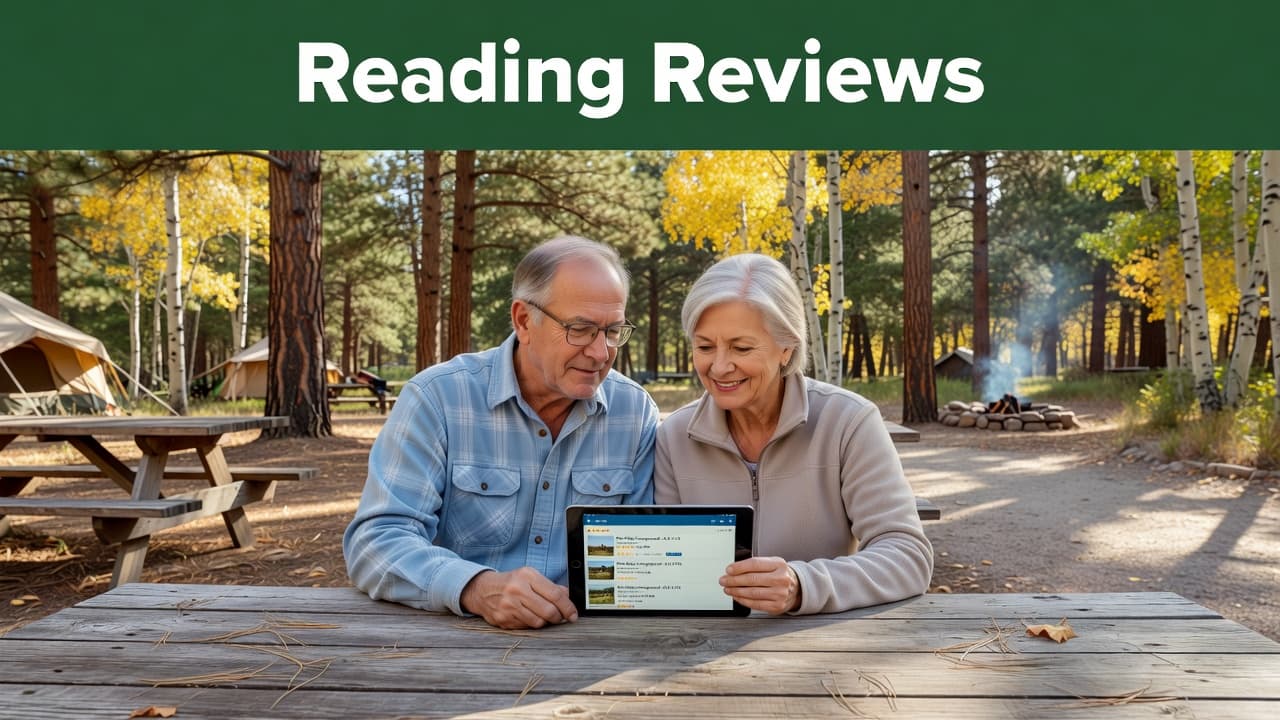
Rig size changes everything. A compact van can slip into places that feel impossible for a larger motorhome or fifth wheel. Meanwhile, full time RVers often prioritize reliable 50-amp service, full hookups, laundry, long-stay noise, package delivery, and stable cell coverage. If you work from the road or stay for weeks, those details matter far more than a pretty pond.
One of the best camping tips is to build your own filter words before you book. Search review text for terms like “slope,” “tight turn,” “tree limbs,” “mud,” “power,” “Wi-Fi,” “bathhouse,” “stairs,” “dog area,” “hiking trails,” and “cell service.” Those words reveal more than broad praise ever will.
You should also notice what a reviewer values. Some people love resort-style parks with golf carts, events, and kids everywhere. Others want a quiet national park with birds and space between sites. Neither group is wrong. Their idea of a great stay may simply be far from yours.
A good review match feels personal. If the writer has a similar rig, travel pace, budget, and comfort level, pay close attention.
Read between the lines for hidden red flags
Some of the biggest red flags in campground reviews are softened by polite wording. Campers often hint at problems instead of stating them directly.
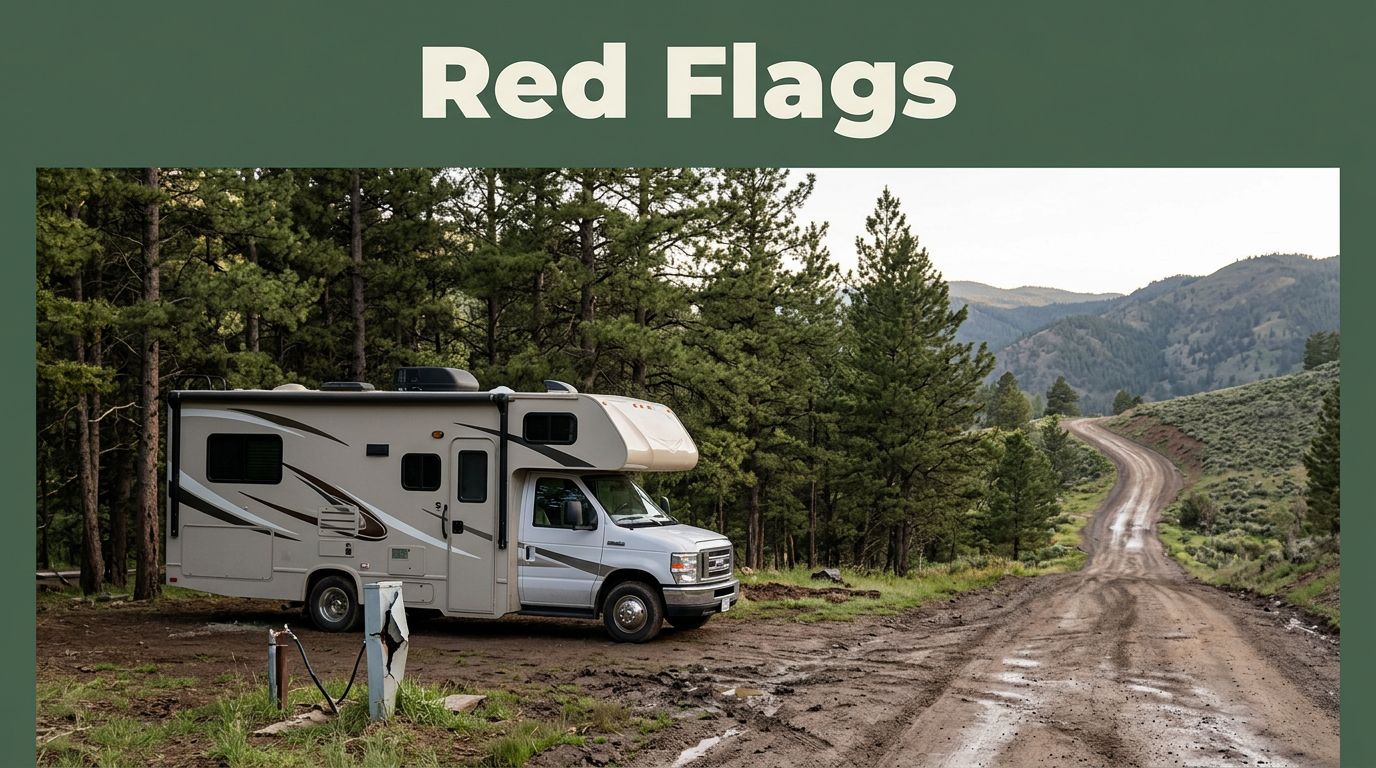
A bit snug can mean your slide outs might brush against a neighbor’s picnic table. Roads are interesting often suggests steep grades, deep ruts, or tight turns with no room to correct. A short walk to the restroom can feel long at night on uneven gravel, especially for seniors or anyone with mobility limits.
One bad review is a mood. The same complaint in several recent reviews is information.
Look for details that affect safety and setup. If several guests mention low tree branches, soft ground after rain, poor drainage, or weak electric and water hookups, take them seriously. None of those issues sounds dramatic in a single sentence, but they can make an entire stay frustrating. When you are analyzing these comments, it is also wise to cross-reference the text with campsite photos to verify the actual layout and condition of the site.
Noise complaints need context. A reviewer who hates too much activity may have booked a holiday weekend near a playground. However, if you are looking for a dog friendly environment, be aware that repeated comments about barking dogs, highway noise, late night arrivals, or loud generators usually point to a persistent issue with the park atmosphere.
Cleanliness comments also deserve a closer read. Some people are hard to please, yet phrases like could use attention, older but usable, or not the cleanest often mean the bathhouse, dump station, or laundry room is below your comfort line.
Cell service and Wi-Fi get fuzzy reviews as well. Wi-Fi was okay may mean it worked at 6 a.m. and failed by dinner. If you need a reliable signal for maps, calls, or remote work, weak internet is more than a small annoyance.
Most importantly, trust reviews that mention clear facts. Site numbers, dates, weather, rig size, and exact trouble spots add weight to your research. A review stating that site 14 was badly sloped and the sewer hose barely reached is far more useful than one that simply says the guest did not love the experience.
Verify what the reviews say before you book
Reviews are the first pass, not the final answer. Before you reserve, confirm the details that could make or break your stay.
Start with the dates. A complaint from spring mud season may not matter in late summer. A rave review from an off-season weekday may not match a packed fall weekend. Timing changes the feel of a destination, especially when comparing seasonal beach campgrounds or remote boondocking locations. A beach campground that is serene in the fall might be chaotic during the peak of summer, just as some remote areas are only accessible during certain months.
Then compare the reviews with the park map and photos. Look at road width, tree cover, site angles, and bathhouse location. Checking for a camp store or proximity to hiking trails can also help you determine the overall vibe. Satellite view helps, too. You can often spot tight loops, exposed sites, or proximity to a highway in a minute. If you are using an RV trip planner to manage your route, set up availability alerts once you identify a high-quality site that meets your needs.
A phone call is still one of the smartest moves in RV travel. Ask direct questions. Is Site 22 level enough for your travel trailer? Are there low branches on the back row? How far is the bathhouse from the premium pull-through sites? If you are staying at a national park, ask about recent construction or shuttle access. Calling a state park can clarify specific fire bans or pet policies. When researching private RV parks, ask if the power issue mentioned in recent reviews has been resolved. Staff answers tell you a lot, and so does their tone. Even for a popular national park, speaking to a ranger can provide context that online posts miss.
This is also where you should avoid overreacting. A single bad review after a storm, holiday crowd, or staff mix-up does not always tell the full story. If the campground answers the concern, newer guests report improvement, and the issue sounds isolated, the park may still be a good fit.
For more road-tested advice, trip ideas, and community insight, you can View Our Website. The RV Life Insider website and newsletter are built for people who love RV travel, camping, and honest help from other travelers. If you want more practical campground advice in your inbox, you can subscribe to our newsletter for camping advice or View All Our Newsletters.
The best booking decisions come from a mix of sources. Carefully weigh campground reviews, compare them against your specific needs, and verify the big concerns before you hand over a deposit.
Frequently Asked Questions
Why should I pay more attention to three-star reviews than five-star ones?
Three-star reviews often provide a more balanced perspective because they usually highlight both the positive aspects and the specific, genuine frustrations of a stay. Five-star reviews can sometimes be overly vague, while one-star posts may be influenced by short-term emotions rather than the actual state of the campground.
How can I determine if a review is relevant to my specific setup?
Start by checking if the reviewer describes a similar rig type, such as a large motorhome versus a small camper van. If their needs match yours—like needing reliable Wi-Fi for remote work or easy access to bathhouses—their feedback will be much more applicable to your own trip planning.
Is it worth calling a campground if I see negative reviews online?
Yes, calling the campground is one of the best ways to verify if a reported issue, such as a faulty power pedestal or a tight turn, has been addressed. Speaking with staff directly allows you to ask specific questions about your site assignment and can often provide peace of mind that online comments cannot.
What are some common “polite” phrases that hide potential issues?
Phrases like “a bit snug” typically mean there is very little room for slide-outs or neighboring picnic tables, while “interesting roads” often warns of steep grades or tight turns. If you see comments describing a place as “older but charming,” be prepared for the possibility of dated electrical hookups or worn-out facilities.
Final Thoughts
The smartest way to read campground reviews is simple: trust patterns, not polish. Star ratings can charm you, but repeated details tell the real story.
This approach works just as well for public campgrounds as it does for private locations. Whether you are planning a trip to a popular national park, searching for availability at a quiet state park, or booking a spot at one of the many commercial RV parks across the country, looking for consistent feedback is key. If you are specifically planning a visit to a national park, paying attention to user experiences can save you from unexpected surprises.
This attention to detail matters even more for seniors, larger rigs, van life travelers, and full-time RVers, because one small issue can turn into a difficult setup or a restless night. When reviews match your travel style, they become useful. When they do not, they are only noise.
The next time a campground looks perfect at first glance, slow down and read past the shine. The red flags are usually there.
This post may contain affiliate links. If you make a purchase through these links, I may earn a small commission at no extra cost to you.