Weight Distribution Hitch Basics for New Trailer Owners
Your trailer can feel fine in the driveway and nervous on the highway. For many first-time owners, the missing piece is a weight distribution hitch.
It is important to understand that this equipment does not increase the official towing capacity of your vehicle. While a weight distribution hitch does not provide your tow vehicle with more power or engine limits, it often helps the entire rig sit level, steer better, and brake more predictably. That matters for seniors, weekend campers, and full time RVers, because a calmer drive makes every camping trip easier from the first mile on.
Key Takeaways
- A weight distribution hitch uses spring bars to distribute tongue weight across the front axle of the tow vehicle and the trailer axles.
- You choose a system by loaded tongue weight, not dry brochure numbers.
- A hitch that restores balance can reduce rear-end squat, light steering, and trailer sway, but it cannot fix an overloaded tow vehicle.
- Proper setup matters as much as the hitch itself, so measure, adjust, and recheck after your first trips.
What a weight-distribution hitch actually does
When a trailer presses down on the hitch ball, that load pushes the rear of the tow vehicle lower. As a result, the front axle can lose some of its normal weight, while the rear axle bears too much of the burden. Steering may feel vague, the braking response can change, and the whole setup can look tail-heavy.
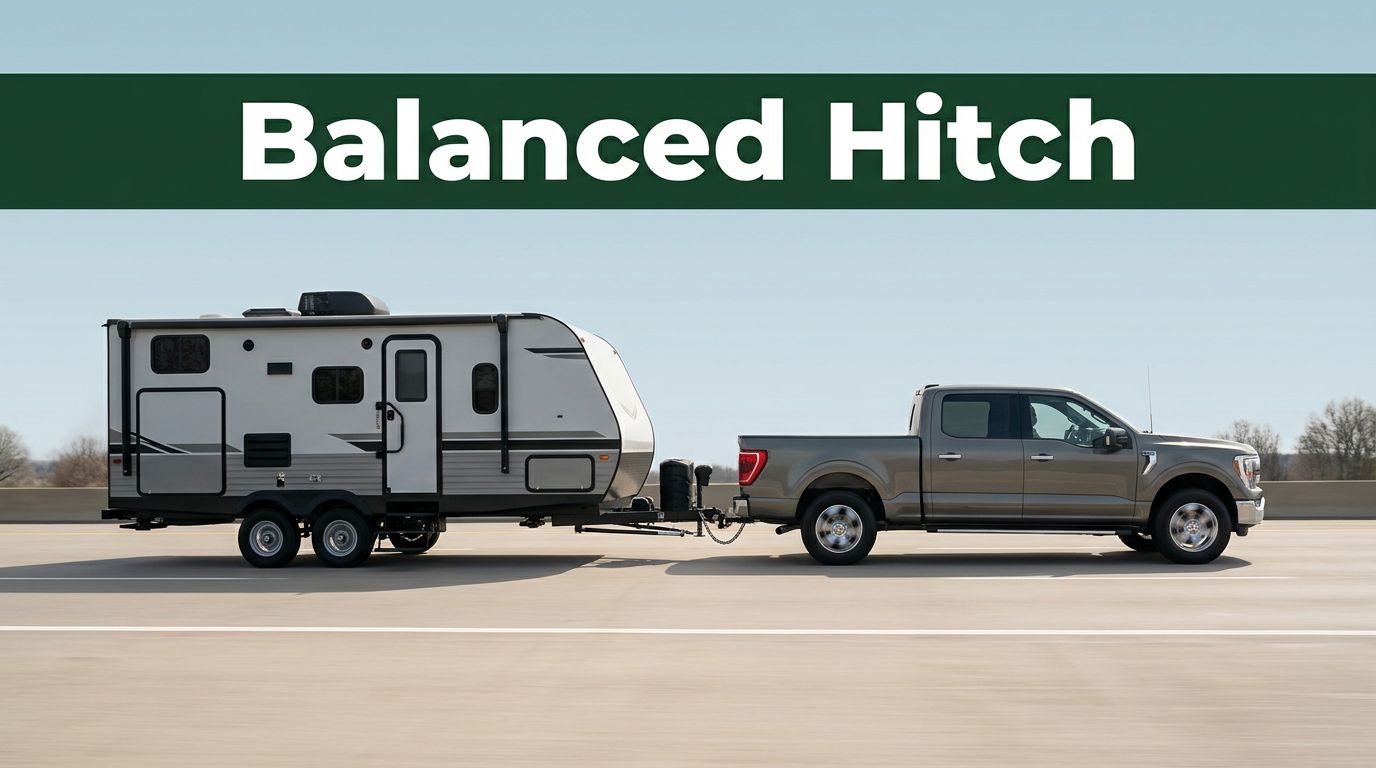
A weight distribution hitch changes that balance. Its spring bars create upward force at the trailer frame and the hitch head. In plain terms, the system spreads part of the tongue weight across all the axles of your tow vehicle and trailer instead of letting the rear axle carry so much of it alone. Blue Ox’s overview of weight-distributing hitches shows the basic idea clearly.
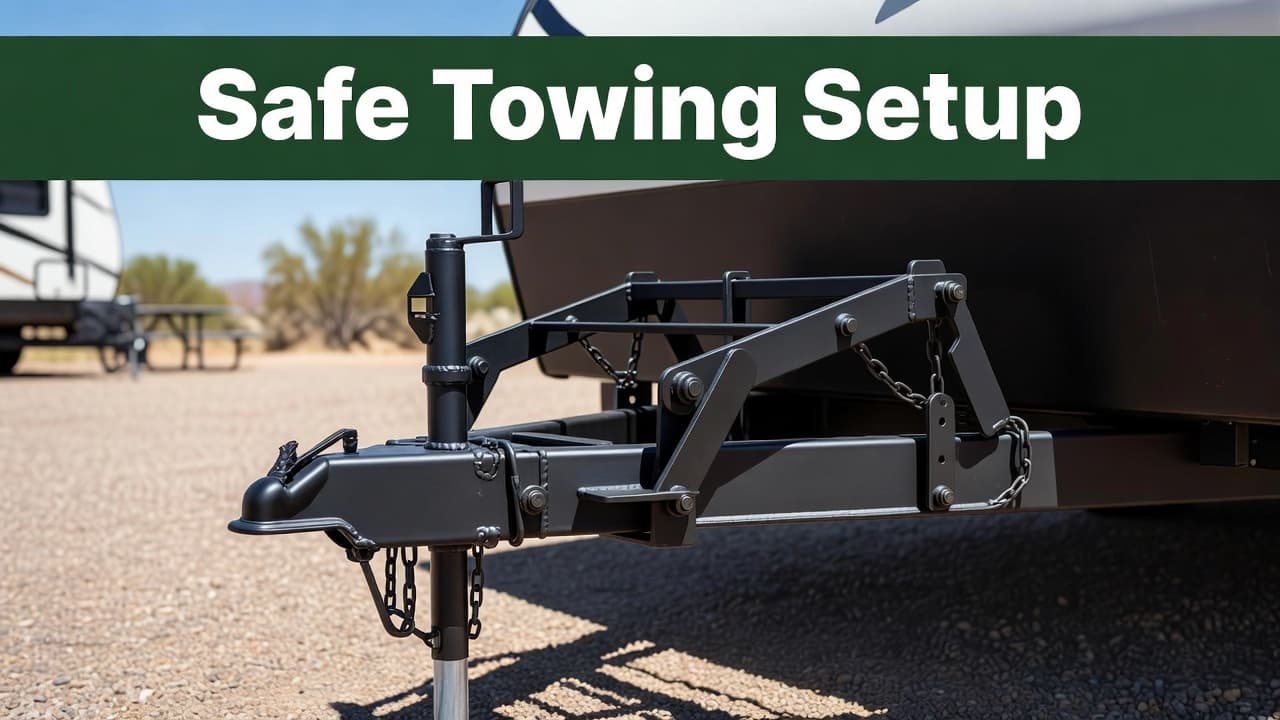
If your vehicle sits more level after setup, that is a good sign. More importantly, the front tires usually regain some of the grip they lost when the trailer was dropped onto the hitch ball. That improves steering control and helps the vehicle feel more planted, especially in crosswinds or when a semi passes.
Many first-time RV owners also confuse weight distribution with sway control. They are related, but they are not the same thing. Weight distribution manages load transfer, while sway control resists trailer sway through mechanical means or friction. Some hitches include both functions in one system, while others require a separate friction sway bar.
For seniors, this difference matters. A calmer tow is less tiring, and less fatigue usually means better decisions on travel day.
How to tell if your trailer needs one
The first clue is often visual. If the rear of your tow vehicle drops and the front lifts after you couple the trailer, you likely need a weight distribution hitch to restore proper balance. Proper load leveling is essential to ensure your vehicle remains level, preventing your headlights from aiming too high and compromising your visibility on the road.
Driving feedback tells the rest of the story. Light steering, extra bouncing after dips, and a trailer that feels pushy in wind are common warnings. You may also notice more wandering at highway speed, even though the trailer is loaded within limits.
Still, appearance alone is not the final answer. Check your tow vehicle owner’s manual and the label on your receiver hitch. Many trucks and SUVs list one capacity for weight-carrying towing and a higher rating when you use a weight distribution system. That specific detail often decides the issue before your first trip.
A weight-distribution hitch can improve balance, but it can’t cure an overloaded trailer or a tow vehicle that exceeds its ratings.
Trailer size and weight matter, too. A short, light utility trailer usually does not need this kind of setup. However, a longer travel trailer often does, especially when you consider your gross trailer weight and the significant impact of tongue weight on your suspension. Even a well-matched RV can feel better with the right hitch if the trailer is tall and boxy, as that length gives wind and road movement more room to push against your rig.
If you came from van life, this is one of the biggest changes. A van keeps its load within one vehicle, but a trailer adds a second axle set, a coupler, and a hinge point, so balance becomes significantly more important. That is why many experienced campers put proper hitch setup near the top of their camping tips list, right beside tire pressure and brake checks.
The parts that matter when you buy
The hardware can look intimidating at first, but the basics are manageable. Systems from Blue Ox, Equal-i-zer, and Reese differ in design, yet the core parts do similar work.
This quick guide helps sort the terms:
| Part | What it does | Why it matters |
|---|---|---|
| Shank | Slides into the receiver | Sets rise or drop for ball height |
| Hitch head | Holds the ball and spring bars | Head angle affects bar tension |
| Spring bars | Apply lifting force | They distribute tongue weight |
| Frame brackets | Anchor bar tension on the trailer | They keep the system working under load |
| Sway control | Resists side movement | It helps in wind and passing traffic |
Also check the hitch ball size. Travel trailers commonly use a 2-inch or 2-5/16-inch ball, and it must match the coupler exactly. Next, pay attention to bar style. A round bar often costs less, while a trunnion bar usually sits higher and may offer better ground clearance.
Some systems use chains and snap-up brackets. Others use rigid L-brackets with built-in sway control. Neither style is automatically right for every owner. Ease of hookup matters, especially for seniors who want less strain at the campsite or roadside.
Before you buy your weight distribution hitch, ask one simple question: what is the trailer’s loaded tongue weight? That number decides more than brand names do. A flashy hitch with the wrong rating won’t tow well, and an over-stiff setup can ride harshly and transfer too much force.
Choosing the right rating and basic setup
Dry weight is where many first-timers go wrong. Brochure numbers usually do not include battery weight, propane, food, clothing, tools, hoses, and the pile of small gear that always grows before an RV trip. Water matters, too, if you travel with full or partial tanks.
For most travel trailers, your loaded tongue weight should land around 10 to 15 percent of the trailer’s total weight. That means a 6,000-pound loaded trailer often carries 600 to 900 pounds of tongue weight on the hitch. When you purchase a weight distribution hitch, you must select bars rated for the real load, not the empty specifications.
A scale designed for this purpose gives the cleanest answer. Some owners use a Sherline scale at home, while others visit a CAT Scale to measure axle loads with and without the bars tensioned. Either method is more useful than guessing.
The basic setup for load leveling usually follows four steps:
- Load the trailer for travel, including propane, batteries, and your normal gear.
- Set the ball height so the trailer rides level or slightly nose-down when connected.
- Apply the correct tension to the spring bars according to the manual, often after raising the tongue jack to reduce strain during the installation process.
- Measure again and fine-tune the adjustable components until the tow vehicle regains proper front-end weight and the distributed weight ensures the rig sits at a proper leveling height.
After that, torque the hitch bolts to the manufacturer’s spec and recheck them after the first trip. Also verify that the safety chains, breakaway cable, and 7-way plug have enough slack for turns without dragging.
If you want a visual refresher before your setup day, this RV basics hitch tutorial on YouTube is a helpful companion to the manual. Watch it with your own hitch instructions nearby, because each system has its own bracket positions and unique requirements.
First towing habits that keep the trip calm
A good hitch setup helps, but your driving habits still matter for overall safety and stability. On your first outing, stop after a few miles and inspect everything. Check the coupler latch, hitch pin, bar clips, brackets, safety chains, and breakaway cable. Hardware settles during the initial drive, and early adjustments are quite common.
Speed is another big factor. A trailer that feels composed at 58 mph may feel busy at 68. Maintaining proper sway control is easier when you stay within a comfortable speed range. Meanwhile, correct tire pressure on both the trailer and your tow vehicle can change the whole feel of the rig. So can cargo placement. Heavy gear belongs low and close to the trailer axle area, not piled at the far rear.
Before backing sharply into a site, read your hitch manual. Some systems allow backing without issue, while others have angle limits or special advice. A little patience prevents expensive metal on metal surprises.
For seniors, less stress on travel day means more energy when you arrive. That is true whether you camp a few weekends a year or travel often like many full time RVers. It also helps couples who divide tasks, because clear routines reduce confusion at busy fuel stops and campgrounds.
RV Life Insider is a helpful stop when you want more practical RV and camping advice. You can View All Our Newsletters for regular camping tips, or View Our Website for travel-planning tools, blog posts, community conversations, and product finds that fit real road life.
Frequently Asked Questions
Do I need a weight distribution hitch for a small travel trailer?
While smaller trailers may not always require a distribution system, it depends heavily on your specific tow vehicle and the trailer’s actual tongue weight. Always check your receiver hitch label, as some vehicles require a weight distribution hitch once you exceed certain weight thresholds regardless of the trailer’s size.
Can I install a weight distribution hitch by myself?
Yes, most owners can install their own system by following the manufacturer’s instructions carefully. You will need a few basic tools, such as a torque wrench and measuring tape, to ensure the setup is accurate and the vehicle remains level.
Does a weight distribution hitch prevent all trailer sway?
No, weight distribution and sway control are two different functions. While some systems incorporate both features, a standard weight distribution hitch primarily manages load transfer; you may still need an additional friction or mechanical sway control device for maximum stability.
Final Thoughts
A trailer that looks fine at rest can behave differently at 60 mph. A properly matched weight distribution hitch brings the entire setup back into balance, which significantly improves safety and stability for a much less tiring towing experience.
Start with real loaded numbers, follow the manual, and make small adjustments instead of relying on guesses. When the rig is level, the ratings are correct, and your tongue weight is properly accounted for, the hookup process becomes routine. With the right gear in place, the drive to camp feels like a relaxing part of the trip rather than a stressful chore.
This post may contain affiliate links. If you make a purchase through these links, I may earn a small commission at no extra cost to you.