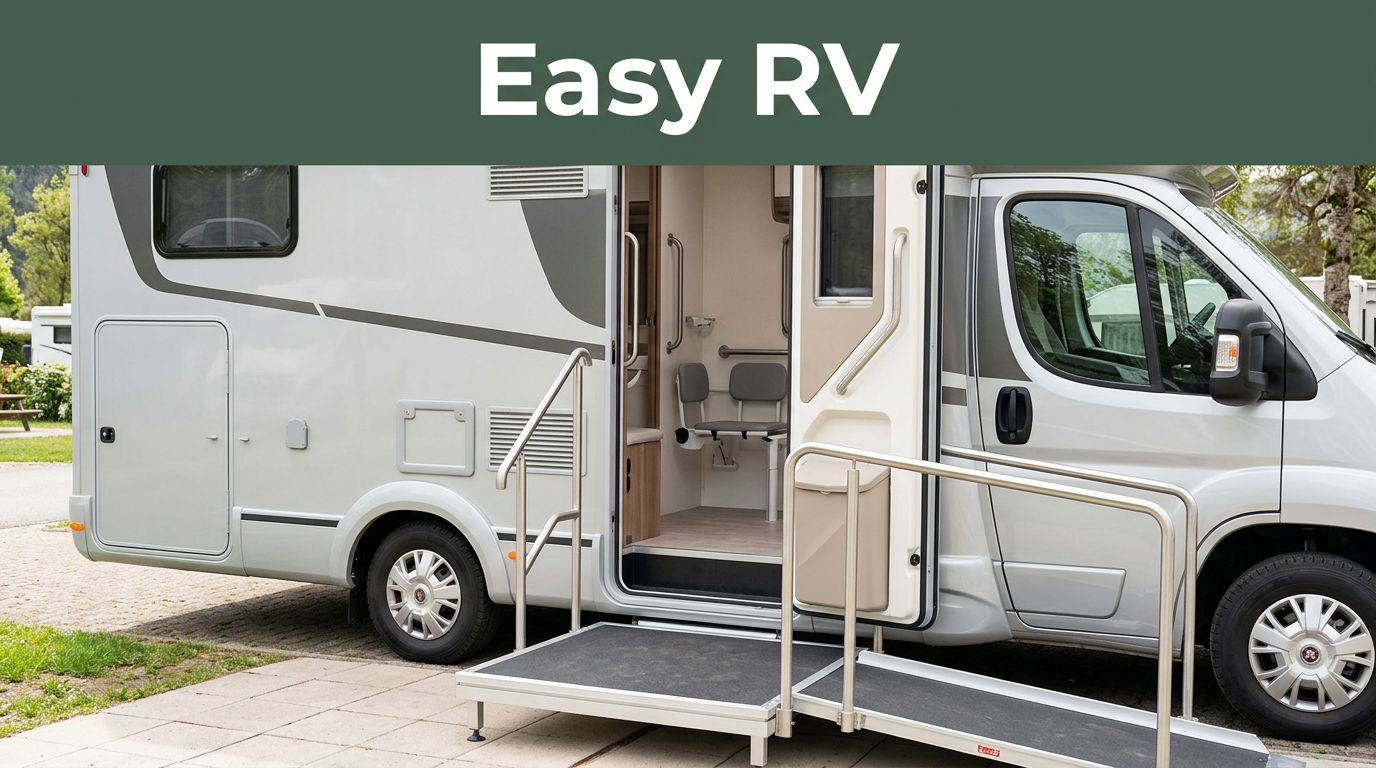
7 RV Modifications That Make Travel Easier for Seniors
A great RV trip shouldn’t leave you sore, unsteady, or worn out by the routine parts of the day. The right RV modifications seniors can rely on make entering the coach, taking a shower, reaching supplies, and backing into a site feel far more manageable.
Small changes often matter more than expensive remodels. Focus first on the movements you repeat every day, especially those involving steps, balance, bending, and lifting, because these daily tasks directly impact the physical well-being and long-term comfort of senior RVers.
Key Takeaways
- Installing safer entry steps and sturdy handholds significantly reduces the risk of falls when entering or exiting your coach.
- Bathroom upgrades should provide reliable, stable support while ensuring you do not compromise the integrity of thin RV walls.
- Improved lighting, accessible storage solutions, and ergonomic seating can effectively minimize daily physical strain.
- Equipping your vehicle with a high-quality backup camera and a tire pressure monitoring system makes navigating the road much less stressful.
- Prioritize the most critical RV upgrades that solve your immediate challenges, then continue to add functional improvements over time.
Make Entering and Leaving the RV Safer
Your entry door is one of the busiest places in the RV. It can also be the most hazardous, especially after rain, early in the morning, or when your hands are full of groceries.
1. Add a Stable, Non-Slip Entry Steps Setup
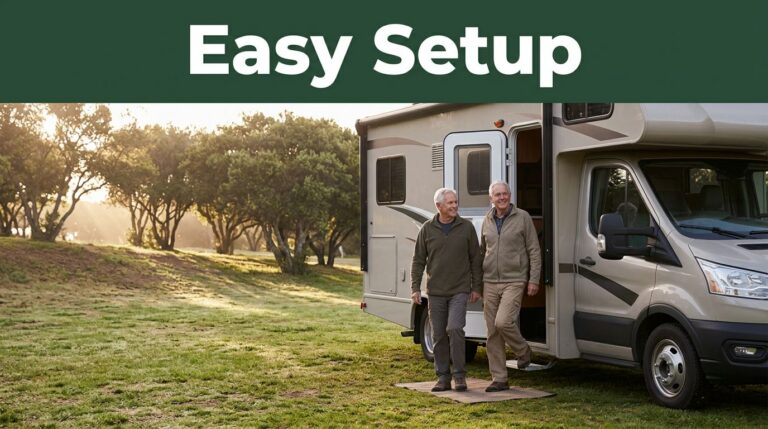
Factory RV entry steps are often high, narrow, and slippery when wet. Replacing worn treads with non-slip material gives your shoes a better grip. Some owners add a portable platform step at the bottom to reduce the distance between the ground and the first step. If you find your current system feels shaky, adding step braces can provide extra reinforcement to prevent tipping.
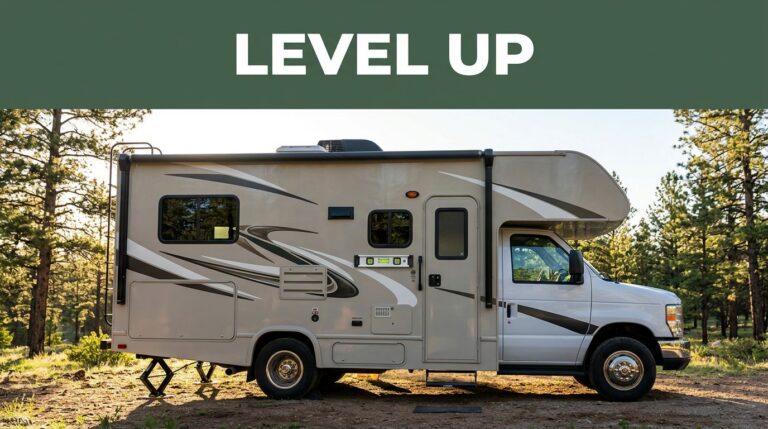
Look for a step with a wide surface and sturdy legs that will not sink into soft dirt. A folding platform can work well at established campgrounds, while a lightweight adjustable step may be easier to carry. While a Class B RV might have smaller clearances that make entry easier, owners of larger rigs often benefit from deploying stabilizer jacks before entering to prevent the coach from wobbling. Always check the setup every time you park, as the ground can look level but still leave one side of the platform unstable.
2. Install a Secure Exterior Handrail
A sturdy, fold-out handrail beside the entry door gives you something solid to hold while climbing in or out. It provides essential support when wind rocks the coach or a campsite has uneven ground.
Choose a rail that attaches to the RV frame according to the manufacturer instructions. Avoid relying on the small grab handle by the screen door alone. Those handles are useful, but they do not always provide the reach or support needed for a careful descent. When installing your new hardware, ensure the mount is secure and rated for the weight you need.

Photo by Kampus Production
Test your entry setup while wearing the shoes you use for camping. Support that feels fine in sandals may feel different in hiking shoes or on a damp morning. As you plan for long term RV upgrades, consider how these modifications might eventually accommodate wheelchair access, as planning for future mobility needs is a smart move for any senior traveler.
Upgrade the RV Bathroom for Better Balance
An RV bathroom is compact, which means every surface is within reach. However, tight spaces also leave little room to recover if you lose your balance. Implementing these essential RV upgrades is a key step toward creating a mobility enhanced RV that prioritizes safety. By choosing the right accessories, senior RVers can maintain their independence and stay comfortable whether they are enjoying full time RVing or embarking on extended trips.
3. Mount Grab Bars Where They Can Carry Weight
A towel bar is not a grab bar. If you need support when stepping into the shower or standing from the toilet, install purpose-built grab bars that fasten into a reinforced surface.
RV walls can be thinner than residential walls, so placement matters. A qualified RV technician can locate framing or add backing before mounting the hardware to ensure your safety. While suction-cup options may provide light assistance, you should always install permanent, wall-mounted grab bars to serve as your primary support. Consider placing one bar near the toilet and another at the shower entrance, choosing locations where your hand naturally reaches rather than just where there is open wall space.
4. Add a Handheld Showerhead and Compact Shower Seat
Equipping your bathroom with modern showerheads that feature a flexible hose allows you to rinse off while seated, making the entire bathing process safer and easier to manage. Choose a model with a pause button to conserve water if your RV fresh-water tank capacity is limited.
A compact, waterproof shower stool is another practical addition if your shower pan has enough room. Measure the area before buying anything, and confirm the seat’s feet sit flat without blocking the drain. For many senior RVers, combining these shower upgrades with other bathroom modifications is one of the most effective ways to reduce standing time on wet, slippery surfaces. These changes help alleviate strain on your knees, hips, or lower back, ensuring you feel refreshed and ready for a long travel day.
Reduce Strain in the Living Area
Daily RV routines include more lifting and twisting than most people expect. Making commonly used spaces easier on your body leaves more energy for hiking, sightseeing, and enjoying the campground. For those full time RVing, these ergonomic adjustments are essential to prevent cumulative strain over months or years on the road.
5. Make the Bed Easier to Get In and Out Of
An RV mattress may sit higher than a bed at home, especially in a fifth wheel or motorhome with a raised bedroom. Using specialized 5th wheel accessories, such as a sturdy bedside step or a properly mounted grab handle, can significantly reduce the effort required to climb in or stand up without pulling on a cabinet door.
Mattress comfort also affects mobility. If the original mattress leaves you stiff in the morning, a supportive replacement or a high-quality topper may help. Test the bed height after any change, as a thicker mattress can make an already high platform harder to use.
Leave a clear path on both sides whenever possible. Shoes, pet beds, and charging cords can become nighttime trip hazards that disrupt your sleep and safety.
6. Bring Storage Within Comfortable Reach
Overhead cabinets are useful, but repeated stretching can strain shoulders and throw off your balance. Move daily items such as dishes, medications, coffee supplies, and toiletries to waist-level storage.
Slide-out shelves, pull-down cabinet racks, and clear bins help you see what you own without digging into the back of a compartment. In the pass-through storage bay, use stackable bins with handles instead of loose gear that requires heavy lifting.
Physical labor can also be reduced by modernizing your utility setup. Many travelers now transition to solar power and lithium batteries to enable easier boondocking. These systems eliminate the physical struggle of hauling heavy portable generators, managing fuel cans, or performing frequent maintenance.
If you use an item every day, it should not require a step stool. Keep the heaviest gear low and close to the axle area while following your RV cargo-carrying limits. A balanced load supports safer handling, and keeping your most-used items within reach creates a more sustainable lifestyle for weekend campers and those exploring van life.
Improve Visibility and Confidence Behind the Wheel
Driving an RV requires significantly more focus than operating a standard passenger vehicle. While mirrors are essential, they often fail to capture every blind spot, bicycle, low post, or child moving behind the coach. For senior RVers navigating a large Class A RV or a heavy trailer, enhancing your vehicle technology and mechanical systems can provide much-needed peace of mind.
Use Backup Cameras and a Tire Pressure Monitor System
Installing high-quality backup cameras provides a clear view behind the RV when you are backing into a campsite, leaving a fuel station, or parking at home. Wireless options often simplify the installation process, whereas wired systems tend to offer a more permanent and reliable setup. Regardless of the type, always choose a screen large enough to view comfortably without squinting.
Equally important is a tire pressure monitor system, which alerts you to pressure loss or overheating tires. This early warning can provide enough time to pull over safely before a minor issue becomes a dangerous blowout. Beyond electronic aids, senior RVers should also consider mechanical upgrades. If your rig feels heavy or sluggish, a suspension system upgrade or switching to disc brakes can significantly improve stopping power and overall ride quality, making every trip less fatiguing.
Remember that no device replaces a thorough walk-around inspection. Before moving, check for open compartment doors, low branches, disconnected hookups, and objects near the tires. A travel partner can also spot you into a tight campsite by using clear, agreed-upon hand signals.
Choose Modifications in the Right Order
Start by writing down the moments that feel difficult during a typical camping day. Whether it is the first step out of bed, the initial climb into your vehicle, reaching for cookware, or standing in the shower, that list will point you toward the upgrades that provide the most value. Senior RVers should also keep these priorities in mind when planning routes, such as selecting 55 plus RV parks or mapping out locations near medical appointments to ensure comfort and health.
Some changes are simple weekend projects, but others require a bit more expertise. Tasks involving mounted rails, electrical work, or structural reinforcement, particularly on a large Class A RV, often deserve professional installation. When purchasing materials for your RV upgrades, remember to look for senior discounts, and always keep your receipts, product manuals, and photos of any completed work. These records prove invaluable during routine maintenance or when it comes time for resale.
As you plan your next adventure, remember that using a national park pass is a fantastic way to explore affordably. RV Life Insider shares practical travel ideas for older campers who want fewer hassles on the road. For regular route planning, safety reminders, and useful camping tips, View All Our Newsletters. You can also View Our Website for travel guides, planning tools, community resources, and RV product ideas.
Frequently Asked Questions
Are there specific RV modifications that should always be professionally installed?
Any modification involving the RV frame, electrical system, or exterior wall structure is best handled by a qualified technician. Installing secure grab bars, heavy-duty handrails, or electrical components requires precise mounting to ensure the work is safe and won’t compromise the integrity of your coach.
How can I make my RV shower safer without doing a full remodel?
Adding a handheld showerhead with a pause button and a stable, waterproof shower stool are simple, effective upgrades. These tools allow you to bathe while seated, which significantly reduces the risk of slipping on wet, uneven surfaces while conserving your limited fresh water supply.
What are some low-cost ways to reduce physical strain while camping?
Rearranging your interior storage to bring frequently used items to waist-level is an excellent, cost-effective way to minimize constant reaching and bending. Additionally, using lightweight bins to organize cabinets and storage bays prevents the need for heavy lifting or strenuous digging during your daily routines.
Is it worth investing in a backup camera for a smaller RV?
A backup camera provides essential visibility that mirrors alone simply cannot match, regardless of your vehicle’s size. It helps prevent accidental collisions with campsite obstacles and significantly reduces the mental fatigue associated with maneuvering into tight spaces at the end of a long travel day.
A More Comfortable Road Ahead
The best RV upgrades for seniors support the way you already travel. Whether you enjoy traditional campgrounds or prefer the independence of boondocking, a secure handrail, a safer shower, or better-organized cabinets can remove daily frustrations without changing the freedom that makes RV camping so rewarding.
As you plan your next journey, choose RV modifications seniors can rely on to protect their balance and conserve energy. By prioritizing these thoughtful changes, you can spend less time worrying about your environment and more time enjoying the view outside your door.
This post may contain affiliate links. If you make a purchase through these links, I may earn a small commission at no extra cost to you.