RV Driving Distance: How Far Should You Go in a Day?
A 400-mile day can look harmless on a map and feel miserable by mid-afternoon. In an RV, the best daily distance is the one that gets you parked with enough energy left to enjoy the stop.
For most travelers, that means less driving than they first expect. If you want calmer travel days, easier setup, and better camping, it helps to pick a pace that fits your rig, your body, and your route.
A comfortable daily range for most RV trips
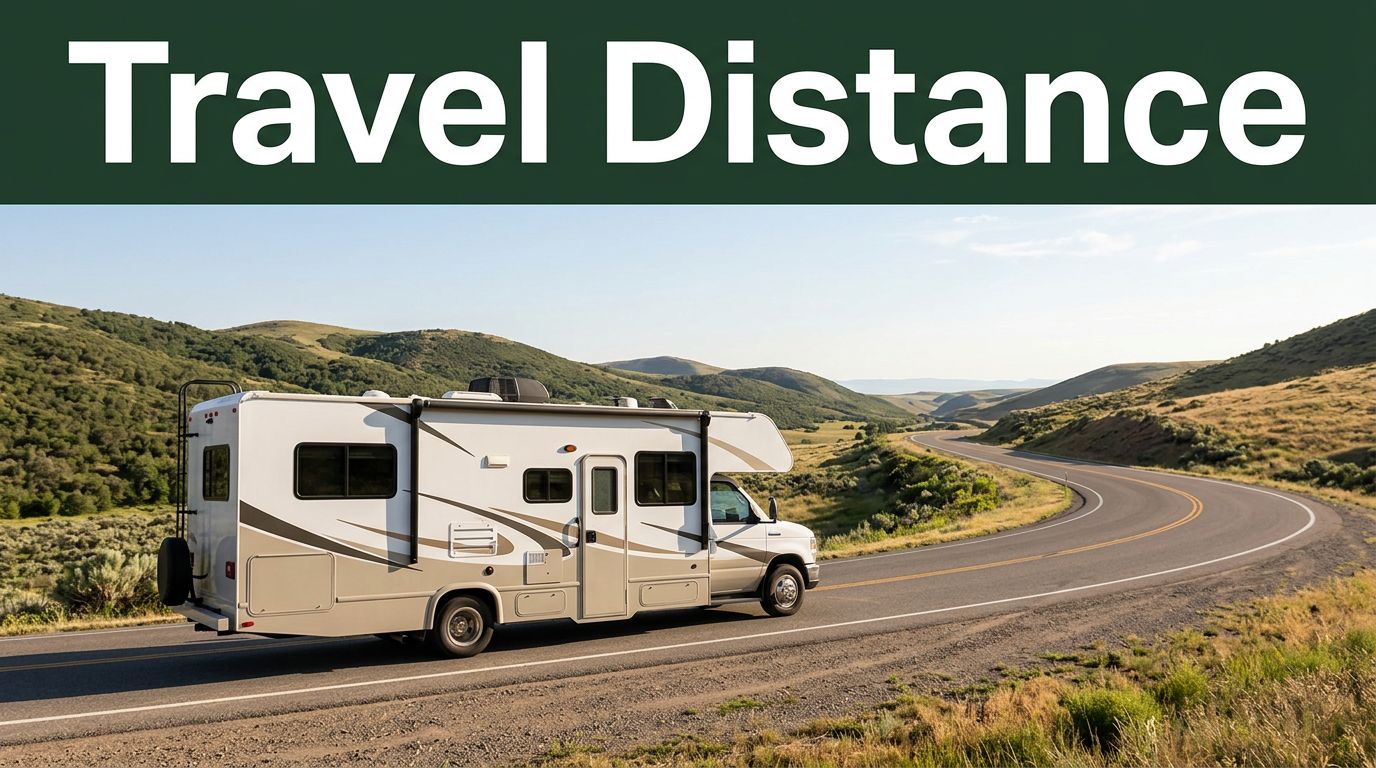
The right rv driving distance is usually measured in both miles and hours. Miles matter, but road time matters more. Two hundred miles on a flat interstate can feel easy. The same distance on two-lane roads, in wind, or through traffic can wear you out fast.
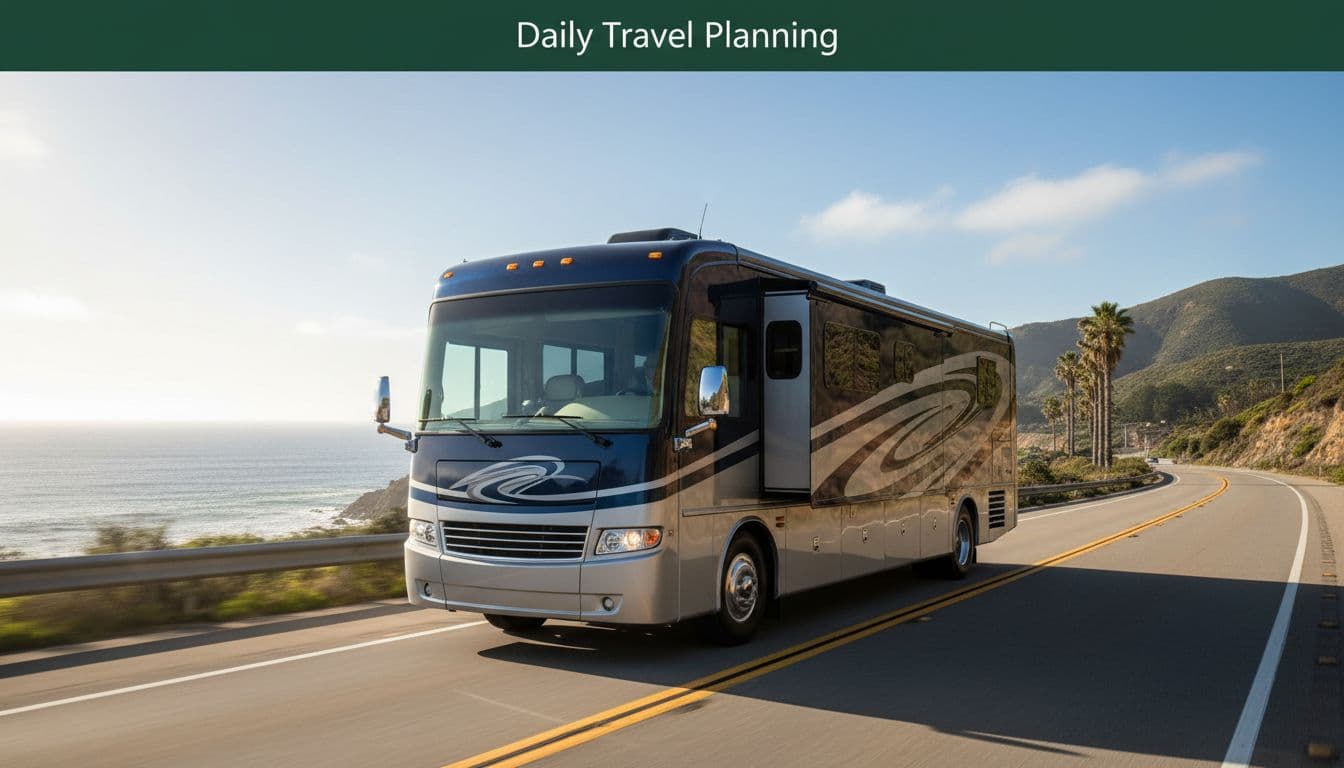
For many RV owners, a good target is 150 to 300 miles, or about 3 to 5 hours behind the wheel. That range gives you time for fuel stops, lunch, bathroom breaks, and the little delays that always show up.
This quick table gives a useful starting point:
| Travel day | Miles | Drive time | Best fit |
|---|---|---|---|
| Easy interstate run | 200 to 300 | 4 to 5 hours | Confident drivers, light traffic |
| Mixed roads and towns | 150 to 225 | 3 to 4.5 hours | Most RV trips |
| Mountains, wind, heavy traffic | 100 to 150 | 2.5 to 4 hours | Big rigs, newer drivers |
| Relocation day | 300+ | 6+ hours | Occasional use only |
The takeaway is simple. Time and stress count more than mileage. A shorter day on rough roads is often the smarter choice.
A common rule of thumb is the 3-3-3 rule: drive about 300 miles, arrive by 3 p.m., and stay three nights when you can. You don’t have to follow it exactly, but the idea is solid. Long driving days can turn your trip into a moving job. Shorter hops leave room for real travel.
That matters even more for seniors. Vision gets tougher near dusk, joints stiffen faster, and mental fatigue sneaks up. Many full time rv’ers learn this early. They stop trying to “make good time” and start protecting their energy.
If you’ll feel rushed, sore, or tense when you arrive, the day is already too long.
What changes your ideal distance
No single number works for every RV. A compact camper van may handle a longer day than a 40-foot motorhome towing a car. A small trailer can still be tiring if crosswinds are strong. Road width, lane changes, steep grades, and fuel-stop access all shape the day.
Your setup matters first. If you drive a big Class A or fifth wheel, every merge and every fuel stop asks more from you. In contrast, some van life travelers can cover more ground because their rigs park easier and react more like large vans than rolling houses. Still, even smaller rigs wear you down if the route is rough.
Then there’s your own comfort level. New RV drivers often plan like they’re in a car. That’s where trouble starts. An RV needs more room, more focus, and more recovery time. If you grip the wheel hard in traffic or feel worn out after backing into a site, trim your mileage.
Passengers matter too. If you’re traveling with a spouse, grandkids, pets, or friends, the day changes. Dogs need walks. People need breaks. Someone may want lunch somewhere other than a truck stop. Those pauses are part of the trip, not lost time.
Weather can cut your comfortable range in half. Headwinds hurt fuel economy and concentration. Heavy rain slows everyone. Heat can turn a small delay into a bad afternoon if the dash air struggles. Because of that, smart drivers build slack into the day.
Among the best camping tips, this one stays near the top: plan the drive around the hardest part of the route, not the easiest part. If the last hour is mountain road or city traffic, shorten the whole day.
Why arriving early makes camping better
The drive isn’t the only job on travel day. You still have to check in, find your site, back in, hook up, level, and settle down. When you roll in late, every small task feels bigger.
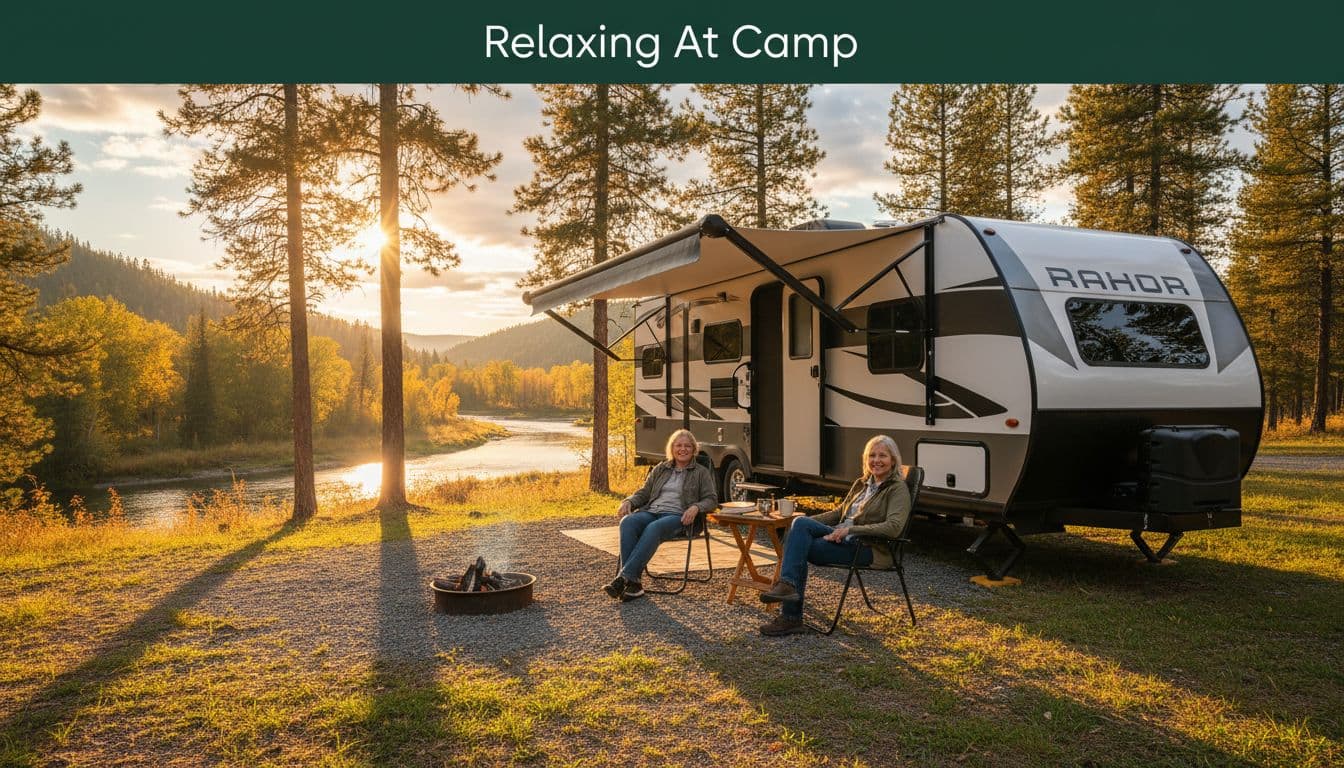
Arriving by mid-afternoon changes the whole mood. You can set up in daylight, spot obstacles, fix mistakes, and still have time to sit outside. That’s a much better start to camping than fumbling with power cords at dusk.
For seniors, early arrival is even more helpful. Depth perception drops in low light, and fatigue makes backing harder. If the campground roads are narrow or the site is uneven, daylight gives you a margin that matters.
Campgrounds also run on their own clock. Offices close. Gate instructions may be confusing after hours. Some parks have tight turns or odd site numbers that look simple online and feel less simple on arrival. Pulling in early gives you room for a wrong turn without panic.
There’s also the emotional side. A short, calm drive keeps travel fun. A long push can sour the evening before dinner even starts. If you camp to relax, your road plan should support that goal.
Many experienced RV’ers judge a travel day by one question: “Did I have time to enjoy where I landed?” If the answer is no, the drive was too long.
When a long RV day makes sense, and how to handle it
Sometimes you do need a bigger push. Maybe bad weather is moving in. Maybe your reservation window is tight. Maybe you’re crossing a flat stretch with few good stops. A long day isn’t wrong. It just shouldn’t be the default.
When that happens, stack the odds in your favor. Leave early, keep the route simple, and stop often. A quick walk every 90 minutes can reset your focus better than one long lunch stop. Also, fuel up before you “need” fuel. Scrambling for gas at the end of a tiring day is no fun.
If you’re trying to improve trip planning, route notes and travel ideas help. The RV Life Insider newsletter is a nice add-on for that kind of prep. You can View All Our Newsletters for fresh ideas, and you can View Our Website for blogs, travel guides, planning tools, products, and community resources.
A few guardrails make long days safer:
- Set a hard arrival time, ideally before 4 p.m.
- Skip extra errands on travel day.
- Avoid driving after dark unless you have no better option.
- Be willing to stop early if the weather turns or your body says enough.
The best rule is plain: don’t let the reservation force a bad decision. If you feel spent, stop. One extra night somewhere safe beats a white-knuckle finish.
How to find your own sweet spot on the road
Your best daily distance is personal, so test it instead of guessing. Start with a modest cap, then adjust after a few trips. Most people find their pattern fast.
A smart starting point is 200 miles or 4 hours of wheel time. After each stop, ask how you felt during setup. If you still had patience, energy, and some interest in the campground, that number may work. If you were tired, snappy, or stiff, pull it back.
Keep the same route style in mind when you judge the day. A flat freeway run is not the same as a twisting mountain road. In other words, don’t compare two very different drives and blame yourself for the harder one.
Watch for signs that your range is too long. Missed turns, sore shoulders, poor lane control, or dread before you even start are all clues. So is arriving with no interest in walking the dog, cooking dinner, or enjoying the site.
Many full-timers and weekend travelers land in a similar place. They’d rather move less and live more. That approach fits camping, and it fits retirement travel well. The road is part of the trip, but it doesn’t need to take over the trip.
If you travel as a couple, talk about comfort before you book the next stop. One person may feel fresh while the other feels done. The better plan is the one both of you can repeat without strain.
The best RV day leaves something in the tank
A good travel day ends with you parked, settled, and still glad you came. For most people, that means keeping daily RV mileage modest, arriving early, and treating time on the road as only one part of the trip.
The sweet spot is rarely the longest distance you can survive. It’s the one that lets you drive safely, set up calmly, and enjoy your evening. That’s the pace that keeps RV travel fun, especially for seniors who want comfort to last all season.
RV Life Insider
https://rvlifeinsider.com/
This post may contain affiliate links. If you make a purchase through these links, I may earn a small commission at no extra cost to you.