
RV Vent Fan Basics for Better Airflow and Less Moisture
A damp RV can turn sticky and stale fast, even on a pleasant camping weekend. One shower, one pot of pasta, or one rainy afternoon can fog the windows and leave soft goods feeling clammy.
A good RV vent fan fixes more of that than many people expect. For seniors, weekend campers, van life travelers, and full time rv’ers alike, better airflow often starts on the roof.
Key Takeaways
- A powered roof fan moves hot, damp air out faster than a passive vent.
- Fan direction matters, because intake and exhaust create different comfort inside the coach.
- Moisture control works best when you pair the fan with a slightly open window.
- Regular cleaning, bug-screen checks, and a rain cover keep airflow strong.
- Many older rigs benefit from an upgrade to a quieter, reversible fan.
What an RV vent fan actually does
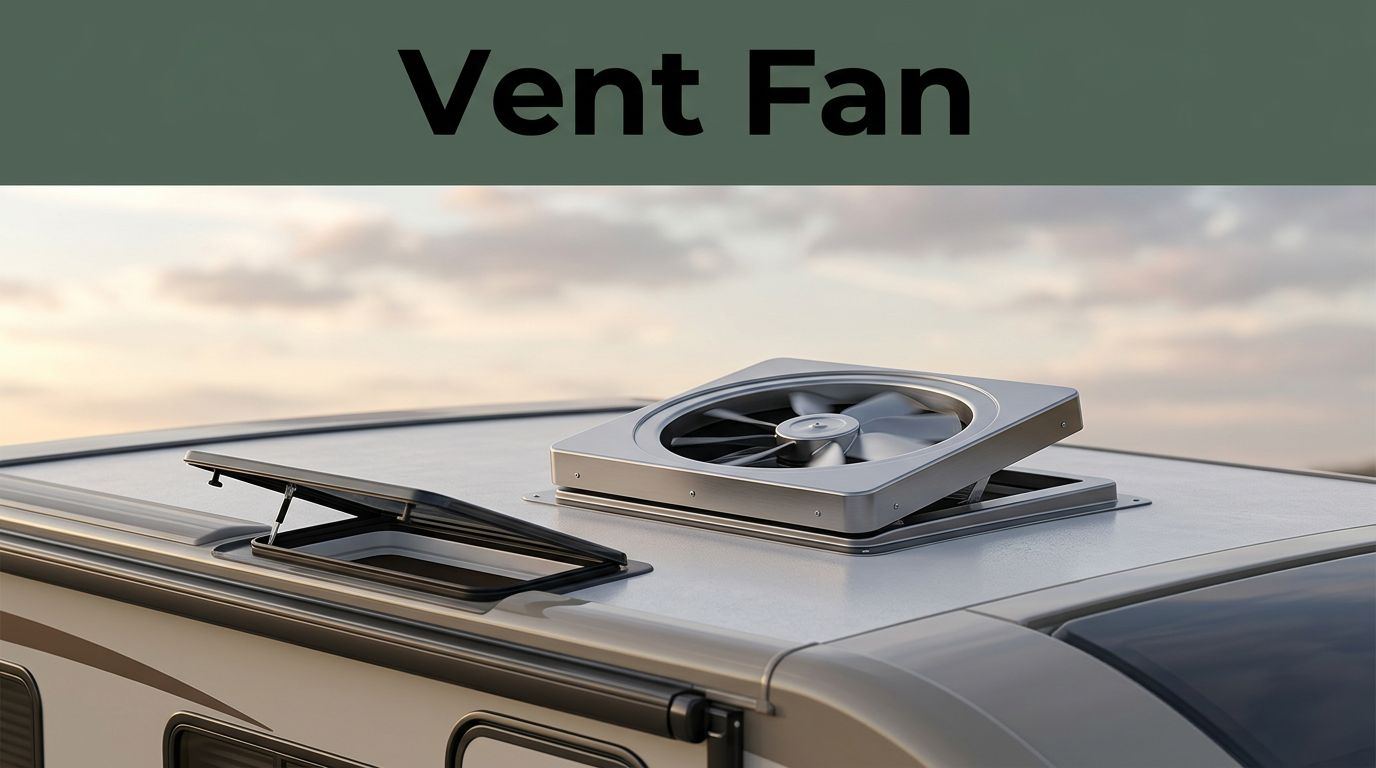
Your roof fan sits at one of the highest points in the coach, so it has a natural advantage. Heat rises, steam rises, and cooking odors rise, which means a ceiling-mounted fan can pull them out before they spread everywhere.
A basic manual roof vent helps, but a powered fan does far more. Instead of waiting for warm air to drift out on its own, the fan creates movement. That movement is what turns a stuffy rig into a place that feels livable again.
Most powered units run on 12-volt power, so they work well during camping trips without hookups. They also use far less power than an air conditioner, which is why so many boondockers and van life owners rely on them daily.
Some fans only exhaust air. Better models reverse direction, so they can also pull cooler morning air inside. That feature matters more than people think, especially if you camp in shoulder seasons when the AC stays off but indoor air still feels flat.
If you’re replacing an older vent, size usually isn’t the hard part. Many models fit the common 14 x 14-inch roof opening, which makes swap-outs simpler, as noted in The VanSmith’s roof vent guide.
Placement also matters. A bathroom fan fights shower steam at the source, while a kitchen-area fan clears cooking heat and grease faster. In a small trailer, even one strong roof fan can improve the whole space. In a longer fifth wheel or motorhome, two vents often work better because they give air a clearer path through the coach.
How to move air through the whole coach
A fan works best when air has somewhere to come from. If you turn it on with every window shut tight, it still moves air, but not nearly as well. Crack a window or another vent, and the whole cabin starts to breathe.
That is one of the most useful camping tips to remember. The fan doesn’t just remove air, it creates a path. Open a shaded window near the bed in the morning, set the roof fan to pull air in, and the coach feels fresher within minutes. Switch the fan to exhaust mode in the late afternoon, and it pushes built-up heat out the top.

The window you open matters, too. A small opening on the opposite side of the RV creates a stronger draw than opening every window wide. If bugs are bad, use the screened window with the least direct sun. If pollen or road dust is the issue, make the opening smaller and run the fan on a lower speed.
Large rigs need a little strategy. A bath fan at the rear can pull air through the hallway and living room if you crack a front window. Meanwhile, a front fan can help cool the sleeping area before bed if you feed it air from the shadier side of the campsite. RV Trader’s airflow guide and Daisy RV’s cooling tips both point to the same simple idea: roof fans and smart window placement beat stale air.
For seniors who don’t want to run the AC all day, that matters. RV Life Insider shares more road-tested comfort ideas, trip planning help, and community conversation on View Our Website.
Using your roof fan to cut moisture
Airflow is about comfort, but moisture control is where a roof fan earns its keep. Steam from a shower, boiling water, wet coats, damp dogs, and even breathing overnight all add humidity inside a small RV. Without ventilation, that moisture settles on windows, walls, bedding, and hidden corners.
The first signs are easy to miss. You may see fogged glass in the morning, a musty smell near the mattress, or cabinet doors that feel a little tacky. Keep ignoring it, and mold has a better chance to grow.
Run the fan before steam builds up, not after the walls are already wet.
In the bathroom, turn the fan on before the water gets hot. During cooking, use the roof fan even if the meal doesn’t seem messy. Pasta, soup, bacon, and coffee all add moisture and odor. Afterward, leave the fan going until the windows clear and the air feels dry again.
Cold weather can fool you because the air outside feels dry while the inside gets damp fast. Even in winter, crack a window slightly when the fan runs. The fan needs replacement air, and that small opening often makes the difference between clear glass and dripping frames.
Many full time rv’ers pair a vent fan with a small dehumidifier in humid regions. That combination works well when you’re parked for weeks at a time. If you want seasonal maintenance reminders and practical camping tips geared to seniors, you can View All Our Newsletters.
Maintenance, covers, and smart upgrades
A weak fan often needs cleaning before it needs replacing. Dust, grease, and lint collect on the screen and blades, which chokes airflow and makes the motor work harder. If your fan sounds louder than it used to, starts slowly, or pushes very little air, clean it first.
Start inside. Remove the screen, wash it, and wipe the fan blades carefully. Check the trim ring for dust buildup as well. On the roof, inspect the lid for cracks and look at the sealant around the vent opening. If climbing up there isn’t comfortable, ask a service shop to handle roof checks. For many seniors, that is the smarter choice.
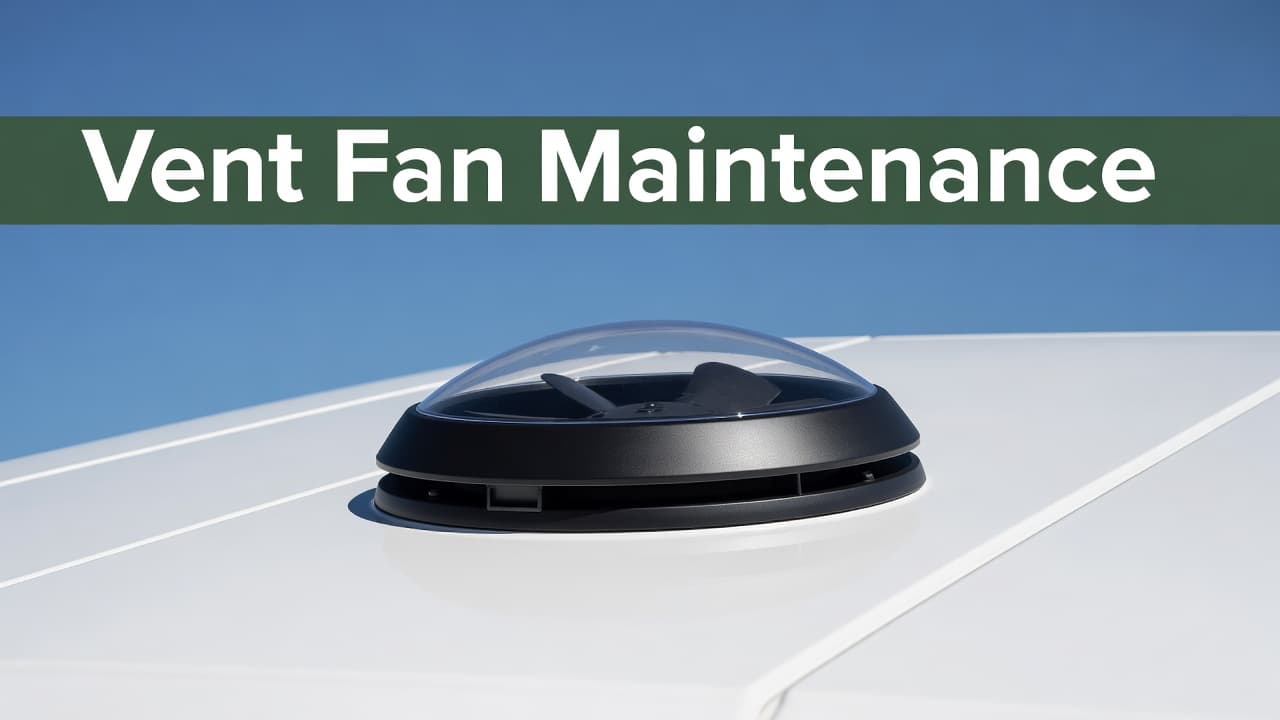
A vent cover is one of the best add-ons you can buy. It lets you keep the vent open during light rain, helps block debris, and gives you more freedom to ventilate while you’re away from the rig for a short time. Owner experience shared in this iRV2 discussion on rooftop fans and covers keeps coming back to the same points: reversible airflow, bug protection, and weather coverage are worth paying for.
Upgrading makes sense when your current fan has one speed, no reverse mode, a brittle lid, or a noisy motor. Well-known options from Maxxair and Dometic’s Fan-Tastic Vent line are popular because they offer multiple speeds, better controls, and stronger airflow. Some models add a thermostat, remote control, or rain sensor, which is helpful if reaching overhead is hard or if you live on the road full-time.
A fan doesn’t need to be fancy to be useful. It does need to move air well, clean up easily, and work often enough that you actually use it. If you want those reminders in your inbox, join the RV Life Insider newsletter.
A little airflow goes a long way
A roof fan won’t solve every heat problem, but it fixes a surprising amount of daily discomfort. When it pulls air in the right direction and you give it a small window opening to work with, the whole RV feels drier, cooler, and easier to live in.
That matters on a quick camping trip, and it matters even more for seniors and long-haul travelers who spend real time inside their rigs. A clean, well-used vent fan keeps moisture from settling in and makes life on the road feel lighter.
This post may contain affiliate links. If you make a purchase through these links, I may earn a small commission at no extra cost to you.