RV Storage Tips to Prevent Costly Damage
A recreational vehicle can age faster in a parking spot than it does on the road. Sun, moisture, pests, and stale water can turn a good rig into a repair bill before your next trip.
That is why smart RV storage starts before you lock the door. Transitioning from active travel to long term vehicle storage requires a proactive approach. A few careful steps now can save your tires, batteries, roof seals, and peace of mind later. Good camping tips do not stop at the campsite, they follow you all the way home.
Key Takeaways
- Select an optimal storage location: Choose a firm, level surface with good drainage, and prioritize covered or indoor options to protect your RV from harsh sun, environmental debris, and weather-related damage.
- Deep clean before storing: Remove all food, wipe down surfaces, and empty/rinse plumbing systems to prevent odors, mold, and pest infestations while the vehicle is inactive.
- Maintain critical systems: Protect batteries with maintainers, inflate tires to the correct pressure and cover them from UV rays, and use fuel stabilizers in motorhomes or generators to prevent performance issues.
- Perform regular inspections: Treat storage as an ongoing habit by visiting your rig periodically to check for leaks, rodent activity, or battery status before small issues become costly repairs.
Pick a storage spot that helps, not hurts
Where you park matters as much as what you do before parking. A bad spot can bake the roof, crack sidewalls, invite tree sap, and trap standing water under the coach.
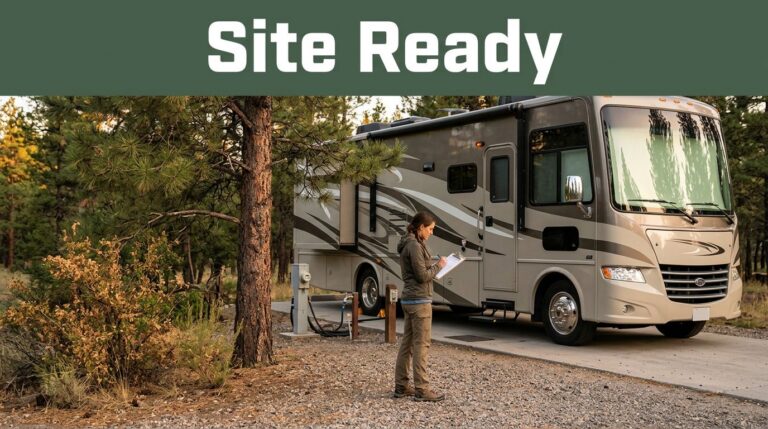
Start with the ground. Park on a firm, level surface that drains well after rain. Soft dirt holds moisture and can let heavy tires sink. Gravel is better than bare soil, and concrete is often best if it is level and clean.
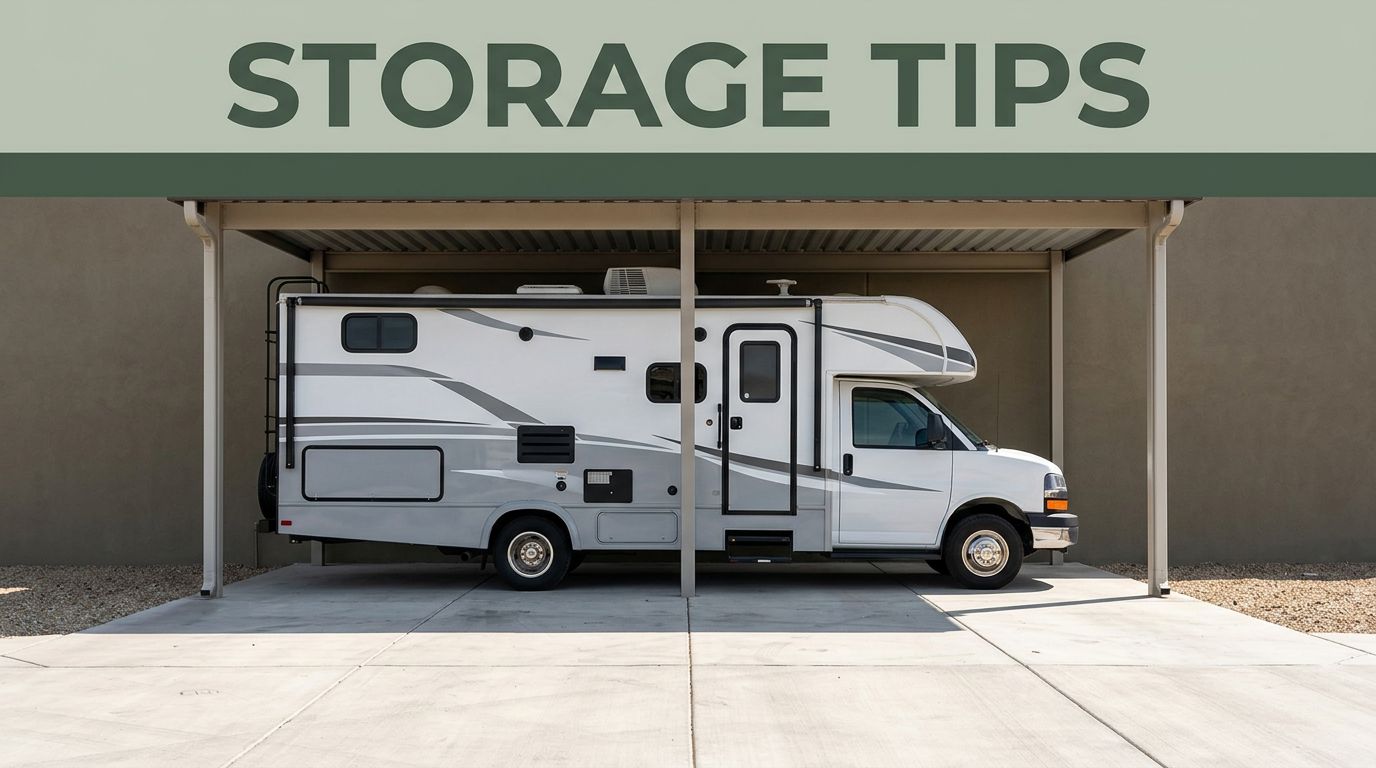
Next, look up and around. Tree shade sounds helpful, but branches drop sap, leaves, and acorns. Birds love trees too, and their mess can stain paint and roof sealant. Open sun is hard on decals and tires, so using covered RV storage often hits the sweet spot.
Security counts too. A professional storage facility with fencing, cameras, and lighting adds a necessary layer of protection. When choosing a location, look for specific security features like monitored perimeters and secure access to ensure your investment stays safe. If you store at home, check local rules first. Some neighborhoods limit where an RV can sit or how long it can remain visible.
This quick comparison can help you choose the best fit:
| Storage option | Best for | Main drawback |
|---|---|---|
| Home driveway | Short gaps and trailer storage | Sun, HOA rules, less cover |
| Outdoor parking | Lower cost | Weather exposure |
| Covered RV storage | Long summer heat or wet seasons | Higher monthly cost |
| Indoor storage | Long off-season parking | Limited space, highest cost |
While professional indoor storage or covered options often cost more, they can save money over time by preventing expensive environmental damage. For seniors who travel by season, that trade can be worth it because fewer weather issues show up at departure time. When selecting a storage facility for long-term needs, consider how indoor storage might extend the life of your seals and paint.
If you choose outdoor parking for months at a time, leave enough room around the RV to inspect it later. Tight rows make it harder to spot roof trouble, rodent tracks, or water stains before they get worse.
Clean out the rig before storage starts
A stored RV should feel more like a sealed guest room than a forgotten shed. Dirt holds moisture, food invites pests, and damp fabric breeds odor. Whether you are using a dedicated facility or a secure self-storage unit, the prep work remains the same.
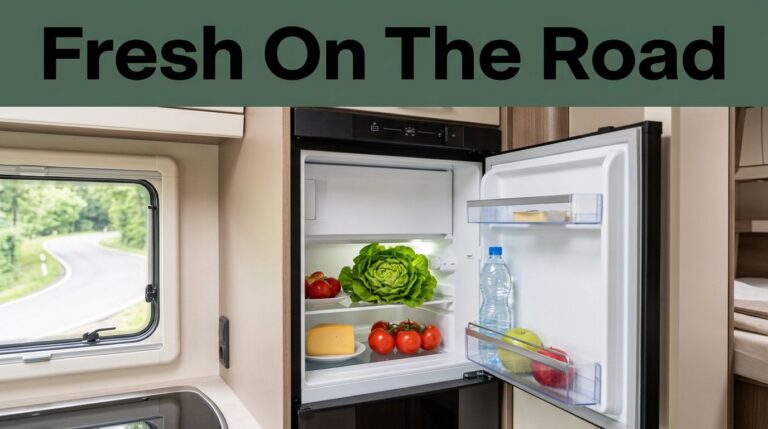
Start inside. Remove all food, including canned goods, snacks, spices, pet food, and that half box of crackers under the dinette. Wipe down counters, sweep floors, and vacuum fabric. Then clean the fridge, prop it open, and leave it dry. A closed fridge with even a little moisture can smell awful in a week.
Outside, wash the body and roof if you can do it safely. Bugs, bird droppings, and road grime break down finishes when they sit too long. While cleaning, inspect caulk lines, roof seams, window seals, and compartment doors to ensure total protection from the elements. Small gaps are easy to miss before storage and expensive to ignore later.
Moisture needs extra attention. Dry the shower, sink, and toilet area. Empty holding tanks, then rinse them well. If freezing weather is possible, winterize the plumbing before the first hard freeze. Open interior cabinets near plumbing runs so air can move more freely. Those who also manage boat storage know that similar moisture control is vital to prevent mildew and damage during long periods of inactivity.
Moisture, not mileage, is often the quiet cause of storage damage.
Soft goods need care too. Take home pillows, extra blankets, and anything that can trap damp air if you are storing for a long stretch. Crack roof vents only if you have vent covers and your storage area is secure from blowing rain. Otherwise, use moisture absorbers inside the coach.
This is also a smart time to build a simple storage checklist. If you like practical reminders, seasonal ideas, and plain-spoken advice, RV Life Insider shares that kind of help in its newsletter. You can View All Our Newsletters for regular tips that fit real RV life.
Protect the systems that hate sitting still
A parked RV still has parts that wear down. Batteries discharge, tires lose pressure, fuel goes stale, and seals dry out. The goal of proper vehicle storage is to slow all of that down.
Begin with the batteries. Disconnect them if your rig will sit for long-term storage, because small parasitic loads keep drawing power. In many cases, a quality battery maintainer is the best choice, especially when shore power is available. If you remove batteries, store them in a cool, dry place and check charge levels on schedule.
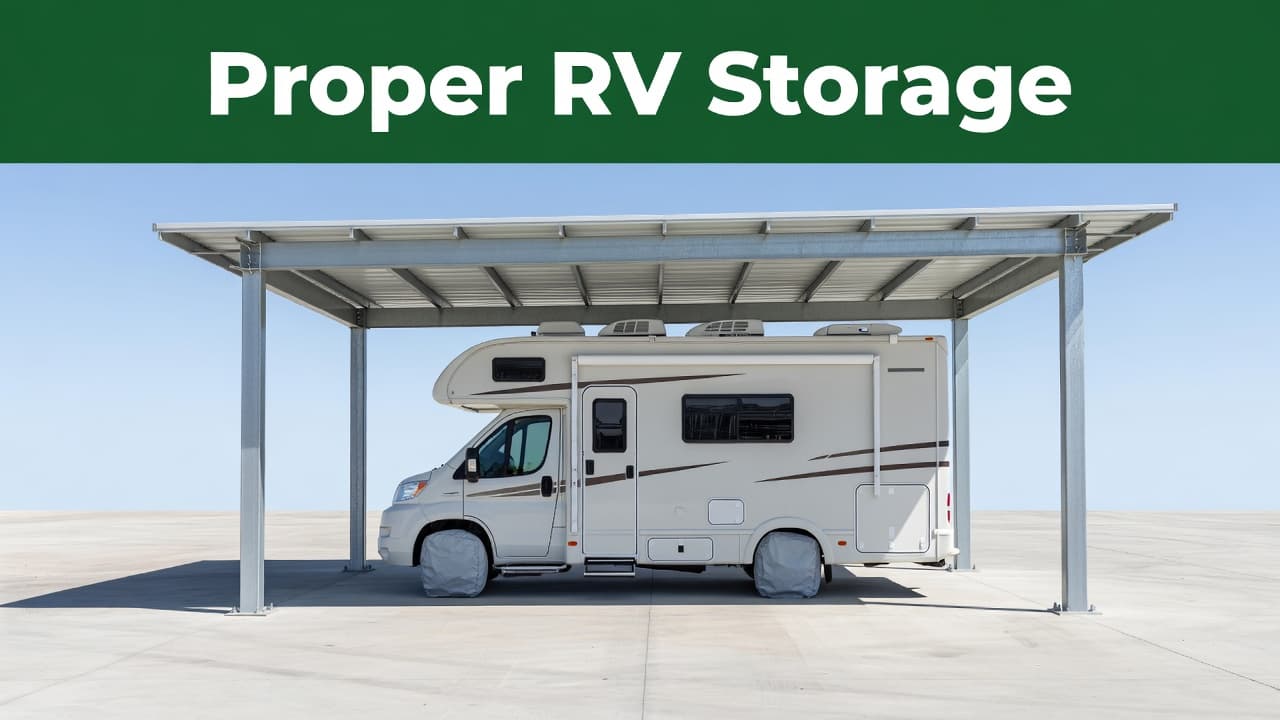
Tires are another weak point during vehicle storage. Inflate them to the pressure recommended by the tire maker and your weight setup. Cover them to block the sun, as tires on motorhomes and towable campers are prone to UV damage. If the coach will sit for a long time, move it a short distance from time to time if your site allows it. That can help reduce flat spotting.
Water systems need a plan based on your climate. In mild weather, draining fresh water and emptying tanks may be enough for a shorter pause. In cold weather, seasonal storage requires winterizing with the right RV antifreeze. Do not guess if you expect freezing nights. Broken fittings and cracked lines hide well until the next camping trip.
Fuel also changes while the RV sits. If you own a motorhome or a generator, top off the fuel tank when proper for your engine type and add a stabilizer if the storage period will be long. Then follow your owner’s manual for how and when to run the engine or generator. Long idle time without a plan can create problems, so the manual matters here.
The same ideas fit many rigs, not only big motorhomes. A van life setup, a towable, or a fifth wheel all suffer when batteries, tires, or plumbing get ignored. Even full time RVers who own campers end up storing a coach during repairs, medical visits, or family stays, so these habits are not only for weekend travelers.
If you want more road-tested help, RV Life Insider also shares blogs, community advice, travel guides, and planning tools for people who love the road. You can View Our Website when you want ideas beyond storage.
Check on your RV while it is parked
Storage is not a one-time task. It is a habit. Opting for accessible storage makes it easy to stop by every few weeks to catch a loose seal, rodent droppings, or a weak battery before a small mess turns into major work.
Walk around the coach and look low, high, and underneath. If your facility offers drive-up access, use that opportunity to inspect the exterior easily. Check tire pressure, covers, and wheel area condition. Look for water streaks, cracked caulk, soft roof spots, or fresh stains near windows. Then open the door and trust your nose. A musty smell often shows up before you see mold.
Pest control should stay simple and steady. Seal known gaps, keep food out, and check traps or deterrents you trust. Skip loose poison inside the coach, especially if grandchildren or pets may enter later. Mice can fit through tiny openings, so a flashlight around plumbing and wire entry points can pay off fast. As you assess your space, refer to an online size guide if you are thinking about upgrading to a larger unit, as you will need to ensure your new rig fits comfortably in its spot.
Paperwork helps more than people think. Write down the date you started your vehicle storage, what you drained, what you disconnected, and what still needs attention before the next trip. A phone note works fine. That short record helps seniors, couples who share tasks, and anyone who has ever stood in a parking lot wondering if they already bypassed the water heater.
Before travel day, give yourself one extra day for wake-up chores. Reconnect batteries, test lights, check tire pressure again, inspect the roofline, and run water through the system. That buffer lowers stress and makes camping feel fun again, not rushed.
Frequently Asked Questions
Is it better to keep my RV in a garage or under a carport?
Both options are superior to open-air parking, but indoor storage offers the most protection against moisture, UV rays, and pests. A carport is an excellent middle-ground solution that prevents direct sun and rain contact while maintaining better airflow than a fully enclosed space.
How often should I check on my stored RV?
It is best to visit your RV at least once a month to perform a visual inspection. This allows you to check for signs of water intrusion, monitor tire pressure, and ensure that your rodent deterrents or moisture absorbers are still effective.
Do I really need to remove all food from the RV?
Yes, removing all food—including canned goods, spices, and pet food—is essential for preventing pest infestations. Even sealed items can attract mice or insects, which can cause significant damage to your upholstery, wiring, and insulation while you are away.
Should I keep my batteries connected while in storage?
It is generally recommended to disconnect your batteries or use a battery maintainer if shore power is available. Parasitic loads from internal electronics will drain your batteries over time, which can permanently damage them if they are left in a discharged state for too long.
Final thoughts
A stored RV does not need constant fuss, but it does need a plan. The best protection comes from three things: a good parking spot, dry and clean conditions, and regular check-ins. If you are looking for maximum protection against the elements, consider opting for enclosed storage units.
Following a small routine helps your RV storage work in your favor instead of against you. Many professional facilities offer flexible month-to-month rates, making it easier to manage your vehicle storage throughout the off-season. When your next trip arrives, you want to focus on packing clothes and snacks, rather than dealing with dead batteries, soft floors, or surprise leaks.
This post may contain affiliate links. If you make a purchase through these links, I may earn a small commission at no extra cost to you.