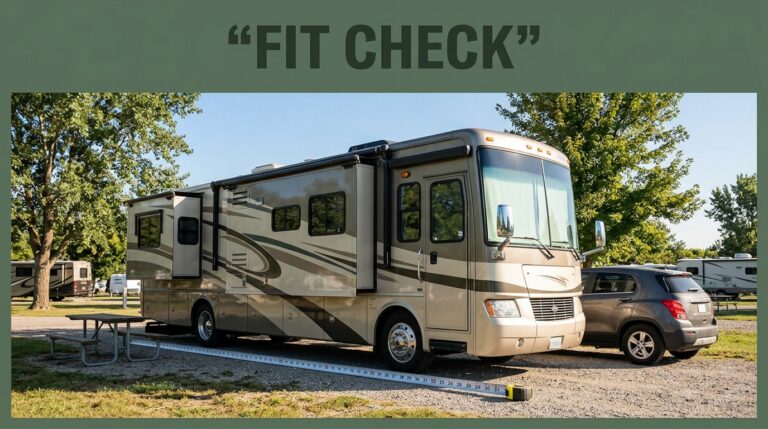

RV Air Conditioner Basics for Cooler Summer Camping
A hot rig can turn a great trip into an uncomfortable experience very quickly. When the sun beats down on the roof, your RV air conditioner has one primary job: keep the cabin livable so you can rest, cook, and sleep without feeling exhausted.
Understanding your system is essential for everyone who enjoys traveling in recreational vehicles, from seniors looking for a relaxing getaway to full time rv’ers who spend long stretches on the road. A few simple maintenance habits, combined with a basic knowledge of how your RV air conditioner functions, can make summer camping far more comfortable and help you stay cool during the heat of the day.
Key Takeaways
- Prioritize Airflow and Maintenance: Regularly cleaning or replacing air filters and keeping ducts, vents, and coils free of debris is the most effective way to ensure optimal cooling performance.
- Manage Heat Loads: Prevent your AC from overworking by using window shades, deploying awnings, and minimizing indoor heat sources like ovens during the hottest parts of the day.
- Understand Power Requirements: Protect your system by using a surge protector or EMS, and be mindful of your rig’s electrical capacity to avoid tripping breakers during peak heat when using multiple high-draw appliances.
- Start Early: Turning on your unit before the outside temperature hits its peak helps the system maintain a comfortable cabin rather than forcing it to play catch-up later in the day.
How your RV air conditioner actually cools the rig
Most RV air conditioners sit on the roof and cool the cabin from above. They pull warm indoor air through a return vent, move it across a cold coil, and send cooler, drier air back into the RV. At the same time, the rooftop air conditioner dumps heat outside through a separate coil and fan.
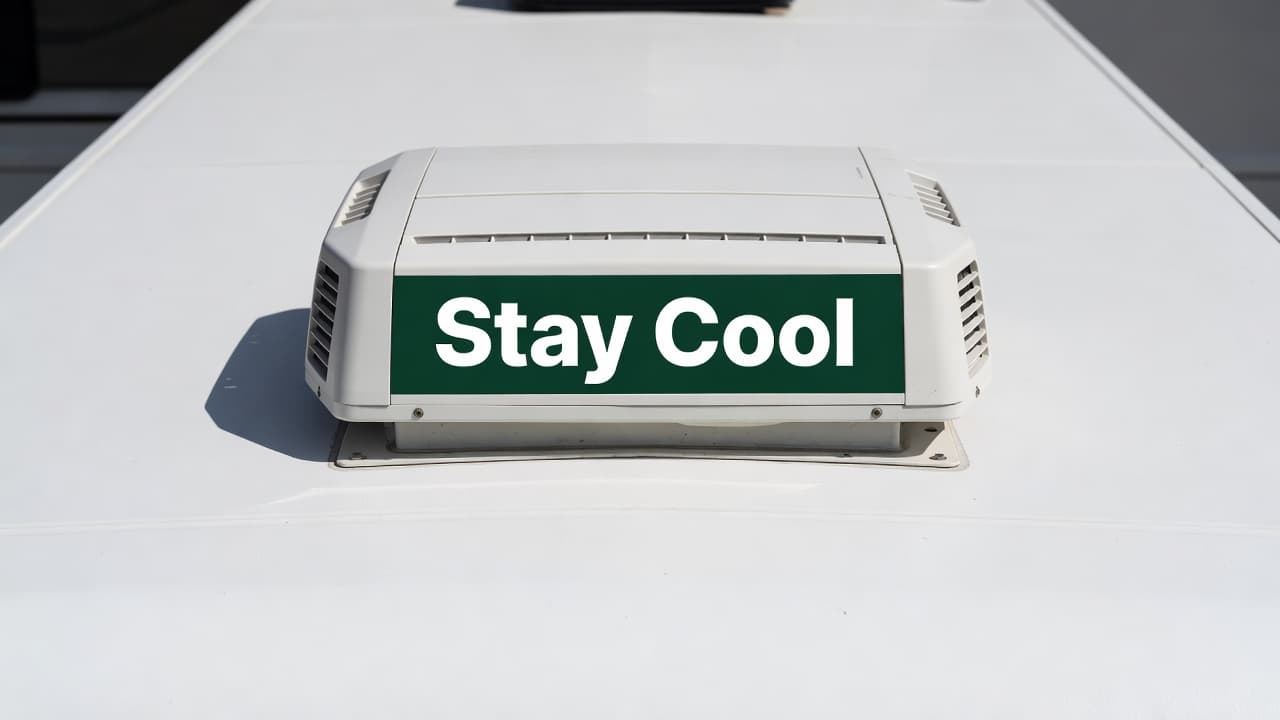
Most travel trailers and motorhomes use a 13.5k or 15k BTU rooftop unit to provide necessary cooling capacity. Some larger rigs have two units, especially if they have several slide-outs or a longer floorplan. Smaller campers and some van life builds use compact, low profile systems, and those have less room for error on a blazing day. While most focus on cooling, some high-end models include a heat pump or heating function for shoulder-season camping.
Your thermostat setting matters, but your RV’s heat load matters more. Big windows, poor insulation, direct afternoon sun, and frequent door openings all add heat. Because of that, a rooftop air conditioner can struggle even when nothing is wrong.
A healthy unit won’t chill the coach like a house system in every condition. RV walls are thinner, roofs take direct sun, and outside temps can climb fast. If the cabin already feels like an oven, the system has to catch up before it can settle into steady cooling.
Start early when you can. Turning the unit on before the hottest part of the day is easier on the system and easier on you. Many campers assume the lowest thermostat setting cools faster, but it doesn’t. The unit runs at the same cooling output either way.
Ducted systems spread air through ceiling ducts to provide even comfort, while non-ducted units blow air straight into the living space. Both can work well. Still, each depends on good airflow, clean filters, and solid power.
Simple maintenance that keeps cool air moving
If cool air seems weak, start with regular maintenance of your unit. Dirty filters choke airflow, and restricted circulation is one of the fastest ways to make an RV air conditioner underperform. In summer, many full time RVers check filters every few weeks because dust, pet hair, and campground pollen build up fast.
Remove the interior air distribution box (ADB) grille, take out the filters, and wash or replace them as the manufacturer recommends. Let washable filters dry fully before reinstalling them. That small job often makes a bigger difference than people expect.

Next, look at the air path inside the RV. Closed vents, crushed ducts, rugs over floor returns, or furniture blocking airflow all hurt performance. A bedroom can feel warm simply because the nearest vent is half covered by a storage bin or bedding.
On the roof, leaves and dirt can collect under the shroud. Over time, dust buildup on the evaporator coils can prevent effective cooling, while debris on the condenser coils can force the compressor to work harder than necessary. If you are comfortable doing roof work, you can inspect the unit carefully and clean visible debris. If balance is a concern, or if you are a senior who prefers to stay off the ladder, hiring a tech for this routine maintenance is the smart move.
A frozen coil usually means poor airflow or a worn part, not extra cold cooling.
Thermostats deserve a quick check too. Weak batteries, loose wiring, or poor placement can throw off temperature readings. If the thermostat reports incorrect temperatures, the system may run too long or cycle off too soon. If the unit struggles despite proper settings, there may even be a leak in the refrigerant lines, which requires professional attention.
Watch for water inside the cabin. Condensation is normal, but dripping from the ceiling assembly is not. A bad gasket, blocked drain path, or internal freeze-up can send water where it should not go. If you are struggling to regulate the cabin temperature even after checking your thermostat, annual service is a wise investment to ensure you do not face a breakdown during the hottest part of July.
Power basics at the campsite and on the road
An RV air conditioner needs strong, steady electricity. At a campground, your shore power source often matters as much as the unit itself. Low voltage can make the compressor run hot, trip breakers, or fail to start.
A 30-amp rig usually supports one air conditioner, but you have to manage other loads. If the microwave, electric water heater, and hair dryer are running too, the breaker may trip. A 50-amp setup provides more electrical capacity, which is essential for larger motorhomes using multi-zone systems, whereas smaller rigs often rely on single-zone cooling.
This quick comparison helps set expectations:
| Power setup | What it usually supports | What to watch |
|---|---|---|
| 30-amp shore power | One AC plus light household use | Watch big appliances during peak heat |
| 50-amp shore power | One or two AC units with more flexibility | Low campground voltage can still cause trouble |
| Generator power | Cooling away from hookups, depending on generator size | Startup surge, fuel use, and noise |
The big takeaway is simple: more available power means less juggling, but poor voltage can still hurt the system.
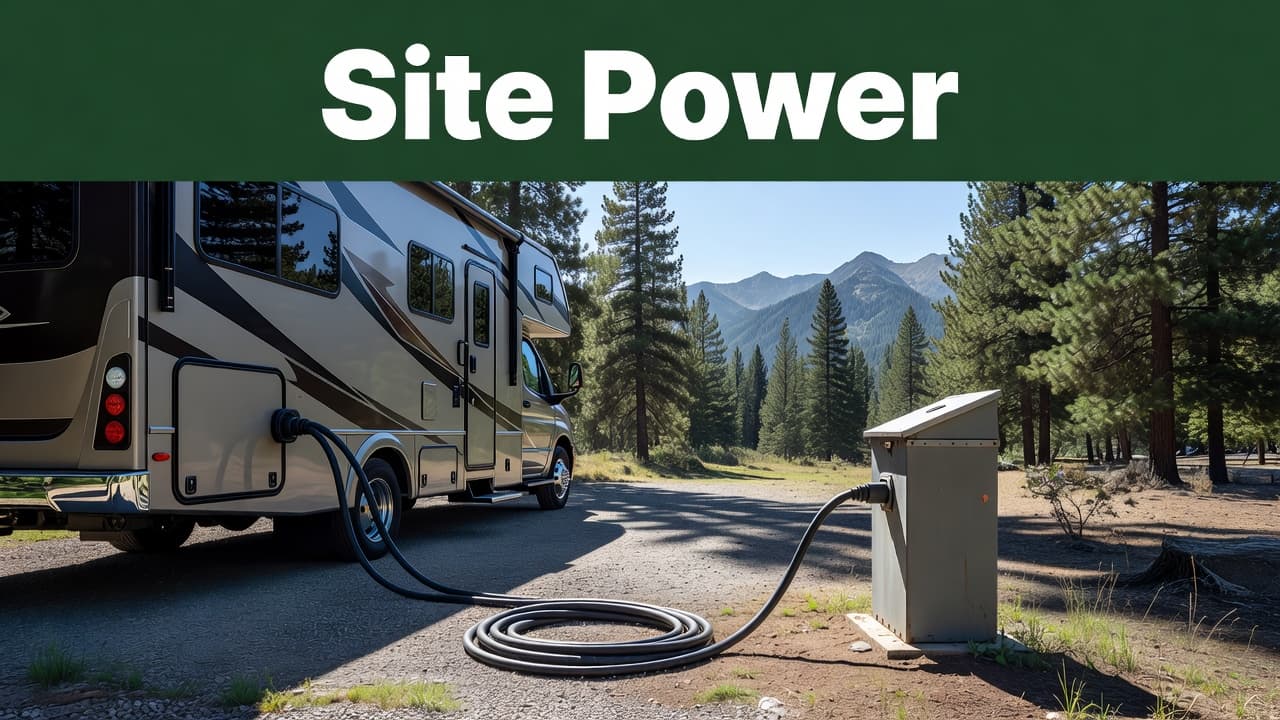
If you are plugged into an older pedestal on a crowded summer weekend, pay attention to warning signs. Dimming lights, slow fan startup, or repeated breaker trips mean the system is under strain. A good surge protector or EMS can help protect the coach from bad shore power.
If voltage drops, turn the air conditioner off until power is stable.
Using a generator for cooling has limits too. Some units can start and run one rooftop air conditioner without trouble, providing reliable climate control for off-grid adventures. Others struggle with the compressor’s startup surge. A soft-start device can help some setups, though it needs proper installation and the right match for your rig.
For boondocking, battery power alone usually won’t run a rooftop air conditioner for long unless the RV has a large inverter and a serious lithium battery bank. That is a critical consideration for off-grid travelers and dry campers who hope to cool off far from traditional hookups.
Everyday habits that help your RV feel cooler
Your RV air conditioner works better when the rest of the rig isn’t fighting it. Shade is the biggest help. If your campsite gives you a choice, point the largest windows away from the harshest afternoon sun.
Close blinds and shades before the cabin heats up. Use reflective windshield covers in motorhomes. In addition, keep the entry door closed as much as possible during the hottest hours because every opening dumps cool air outside.
Cooking adds a surprising amount of heat. On hot days, grill outside, use a microwave, or plan cold meals. That one switch can keep the indoor temperature steadier through late afternoon, allowing your RV air conditioner to run more efficiently.
A small fan also helps. Moving air makes the cabin feel cooler, and it spreads conditioned air into warm corners. Many modern fans offer quiet operation, making them a perfect companion for your RV air conditioner, especially in older rigs with uneven airflow where a fan near the bedroom or kitchen can make a noticeable difference.
These camping tips are easy to use at almost any site:
- Start cooling the RV by late morning, before the heat peaks.
- Open a roof vent briefly to release trapped hot air before turning the AC on.
- Keep supply vents open and free of bedding, towels, and storage bins.
- Use the awning when weather is calm and the campsite allows it.
- Skip heat-heavy chores, such as baking indoors, during the hottest part of the day.
Campers often expect the air conditioner to fix every comfort problem. In practice, small habits carry a lot of weight. That is true in a large fifth wheel, and it is even more true in compact camping trailers.
When repair or replacement makes sense
Some problems go beyond basic maintenance like cleaning filters or adding shade. If the fan runs but the air never gets cold, your compressor may be failing. If the unit hums loudly, trips the breaker, or cycles on and off every few minutes, it requires professional attention.
Weak airflow after cleaning the filters usually points to a blower issue, a blocked duct, or a frozen coil. Musty smells can indicate moisture buildup, while loud grinding or rattling suggests worn mechanical parts.
Age is a significant factor for recreational vehicles. While many rooftop units last a decade or more, heavy summer use takes a toll on the system. If you notice a loss of refrigerant or a total failure to cool, a full replacement is often more cost-effective than a repair. When it is time for a new installation, the existing roof opening serves as the standard mounting point for most modern units. If you decide to upgrade, consider a model with a variable-speed compressor, which provides much higher efficiency and quieter operation than older hardware.
Sometimes a simple repair is worthwhile. Capacitors, thermostats, gaskets, and control boards can often be replaced without swapping the entire unit. However, sealed-system issues or major compressor trouble typically signal that replacement is the smarter long-term choice.
If you are planning a long summer road trip, do not gamble with an unreliable cooling system. Fixing the problem before you depart is much easier than hunting for service when every campground is full and every repair shop is booked.
Frequently Asked Questions
Why is my RV air conditioner running but not cooling the air?
If the fan is blowing but the air remains warm, you may have a dirty filter blocking airflow or a frozen evaporator coil. If cleaning the filters does not resolve the issue, it could indicate a failing compressor or a loss of refrigerant, which requires professional repair.
Can I run my RV air conditioner on a standard household outlet?
Running an RV air conditioner typically requires a dedicated 30-amp or 50-amp circuit, and plugging it into a standard 15-amp household outlet will likely trip the breaker. You would need a specialized adapter to connect to shore power, but even then, you must be careful not to operate other high-draw appliances simultaneously.
How often should I perform maintenance on my RV AC unit?
Filters should be checked or cleaned every few weeks, especially if you are camping in dusty environments or using the unit heavily during the summer. An annual inspection of the roof unit, including cleaning the condenser coils and checking the shroud for debris, is recommended to prevent system strain.
Should I turn the air conditioner off when I leave the RV?
It is generally better to leave the unit running on a higher temperature setting than to turn it off completely during short periods away from the rig. This prevents the interior from becoming heat-soaked, making it much easier for the system to bring the temperature back down when you return.
Final thoughts
Summer travel is much more enjoyable when your RV air conditioner receives clean airflow, steady power, and support from smart daily habits. The goal is not just icy air in every condition; it is about achieving dependable comfort and quiet operation that keeps your rig a pleasant retreat. When you balance these maintenance tasks and cooling strategies, you ensure your equipment runs efficiently throughout the entire season.
If you want more practical help for the road, View All Our Newsletters for seasonal RV advice and travel updates. You can also View Our Website for travel guides, planning tools, blogs, products, and community resources.
This post may contain affiliate links. If you make a purchase through these links, I may earn a small commission at no extra cost to you.