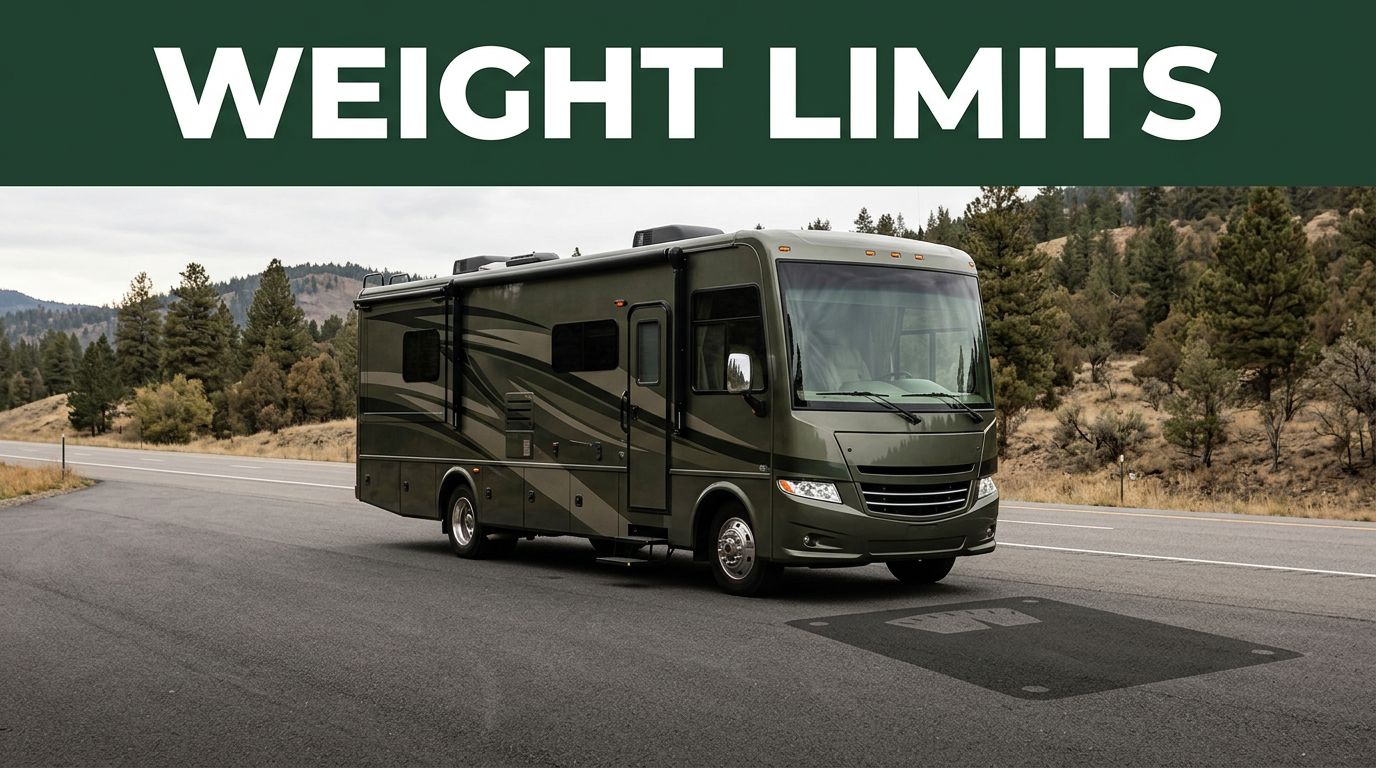
RV Weight Ratings Made Simple for First-Time Owners
A new RV can look road-ready and still be too heavy before the coffee maker is even unpacked. If you are new to rv weight ratings, these technical labels can feel like a confusing alphabet soup.
Understanding these figures is essential because your maximum allowable weight dictates how your rig stops, steers, and manages tire heat on the open road. For seniors planning easy camping weekends or extended seasonal trips, mastering these rv weight ratings brings real peace of mind. By knowing your specific limits, you can confidently load your vehicle while keeping your passengers and your investment safe.
Once the labels make sense, packing your RV becomes much simpler and far less stressful.
Key Takeaways
- Understand Your Limits: Your RV’s safety, handling, and braking performance depend on staying within the GVWR, GAWR, and GCWR limits defined by the manufacturer.
- Ignore the Dry Weight: Never rely on brochure or unloaded vehicle weight (UVW) as your travel standard, as it excludes essential items like water, propane, batteries, and your personal cargo.
- Small Items Add Up: Water is surprisingly heavy at over 8 pounds per gallon, and small additions like tools, gear, and e-bikes quickly consume your cargo carrying capacity (CCC).
- Visit the Scales: The only way to know if you are safe is to weigh your fully loaded rig at a certified commercial scale, comparing your real-world weight against your vehicle’s specific ratings.
- Distribute Weight Wisely: Beyond staying under the total weight limit, keep heavy items low and centered over the axles to prevent sway and ensure even tire wear.
Why weight ratings matter before your first camping trip
Every RV has limits, and those limits are there for a reason. Whether you own a travel trailer or a fifth wheel, the frame, axles, tires, suspension, brakes, and hitch can only carry so much weight safely.
When an RV exceeds its rating, trouble rarely shows up all at once. Instead, problems build over time. Tires run hotter, stopping distances grow, steering feels loose, and trailer sway becomes significantly harder to control. On a flat road near home, you may not notice much, but on a downhill grade or in a crosswind, the difference becomes clear.
This is why first-time owners often get tripped up. Your unit may have plenty of cabinet space, so it feels like it should carry anything you can fit, but storage space is not the same as payload capacity. Furthermore, you must consider the limits of your tow vehicle, as exceeding the manufacturer’s towing capacity puts unnecessary strain on your truck and compromises safety.
People moving from van life into a larger rig often assume a bigger trailer gives them more margin. Sometimes it does on paper, but a larger RV also invites heavier gear, more water, more food, extra chairs, and tools you never packed before.
Even full time RVers recheck their numbers after upgrades or packing changes. New batteries, solar gear, e-bikes, a generator, or a heavier mattress can eat up capacity faster than expected.
Weight ratings also affect comfort. A properly loaded RV tracks straighter and feels less tiring to drive. That is a big deal for those who want travel days to feel calm, not tense.
The weight terms on your RV sticker, in plain English
Start with the weight label on the RV itself. You may find it near the driver’s seat, inside a cabinet, near the entry door, or in the front section of a trailer. The owner’s manual usually repeats the same ratings.
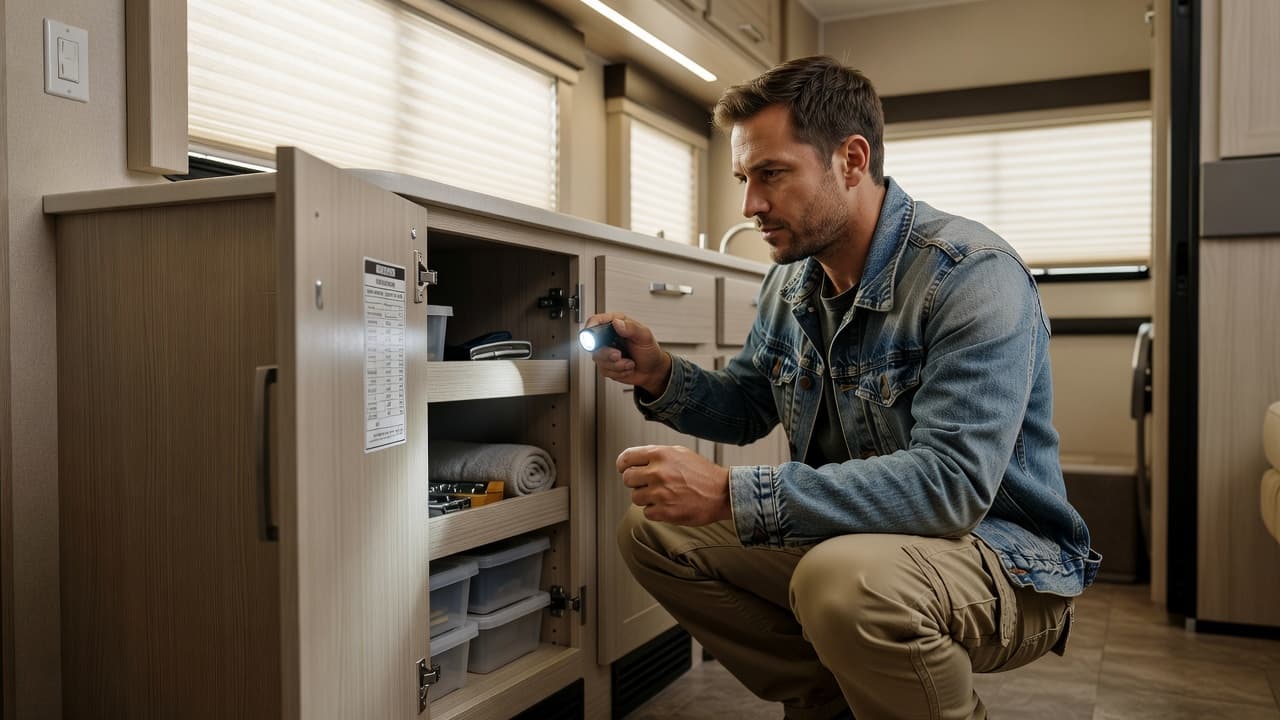
These are the terms that matter most:
| Term | What it means | Why you care |
|---|---|---|
| GVWR | The maximum allowable weight for your fully loaded RV | This is your top limit for the whole rig |
| GAWR | The gross axle weight rating for each individual axle | One axle can be overloaded even if the total weight looks okay |
| GCWR | The gross combination weight rating for your vehicle and trailer | This matters any time you are towing |
| UVW | The unloaded vehicle weight as it left the factory | Useful as a starting point, but not a travel-ready number |
| CCC | Cargo carrying capacity | This includes people, gear, food, tools, and often water |
If your label shows OCCC instead of CCC, that usually means occupant and cargo carrying capacity. In plain terms, it is the room left for people and stuff.
The term many shoppers remember is dry weight. It sounds helpful, but it often causes confusion. This is sometimes referred to as curb weight, which is the weight of the vehicle with standard equipment and fluids but without passengers or cargo. Dry weight may not include propane, batteries, dealer-installed parts, or your own gear, meaning it does not tell you what the RV weighs on trip day. Because the unloaded vehicle weight ignores the heavy items you will actually bring, it should never be your primary safety metric.
The safest number to trust is the weight of your RV as you actually travel, not the brochure number.
A simple way to read the sticker is this: GVWR is the ceiling, the gross axle weight rating protects each axle, and cargo carrying capacity tells you how much room is left for gear. Once you know those three, the rest gets easier.
Why water, cargo, and hitch weight change the numbers fast
New owners often focus on large items and miss the sneaky ones. Water is the big surprise, as it weighs about 8.3 pounds per gallon.
Fifty gallons of water in your fresh water tank adds more than 400 pounds.
That means a half-full tank can change your setup in a hurry. If you leave home with a full fresh water tank, full propane, a packed pantry, and extra gear, your real weight may be far above what you estimated. Small items stack up, too. Cast-iron pans, bottled drinks, tool bags, hoses, leveling blocks, and grills all count. When you add clothing for cool nights, firewood, or an e-bike rack, your remaining margin shrinks quickly.
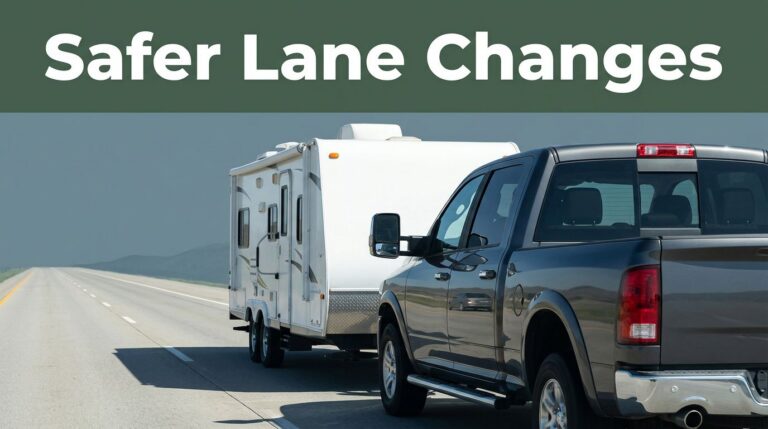
If you own a travel trailer, you must pay close attention to tongue weight, which is the downward force exerted on the hitch. For most trailers, tongue weight should land between 10 and 15 percent of the total trailer weight to ensure proper stability and prevent dangerous trailer sway. You must also verify that your hitch rating supports this downward force. This weight does not simply vanish; it sits directly on your tow vehicle and counts against your truck or SUV’s available payload.
Motorhome owners face a different version of this challenge. Whether you are driving a compact unit or a large Class A motorhome, the total weight of your setup must stay within the Gross Combined Weight Rating. While a towed car may not press down on the hitch like a trailer, the overall configuration must still remain within your vehicle’s towing capacity.
This is where many first-time buyers get caught. Your RV might be within its individual weight rating, but your tow vehicle could easily exceed its payload, rear axle rating, or maximum towing capacity. Safe loading requires you to look at the whole setup rather than relying on one sticker in isolation.
How to weigh your RV the right way
The best time to weigh your RV is after you load it for a real trip. Fill it the way you normally travel, including passengers, pets, fuel, food, clothing, and the amount of water you usually carry.
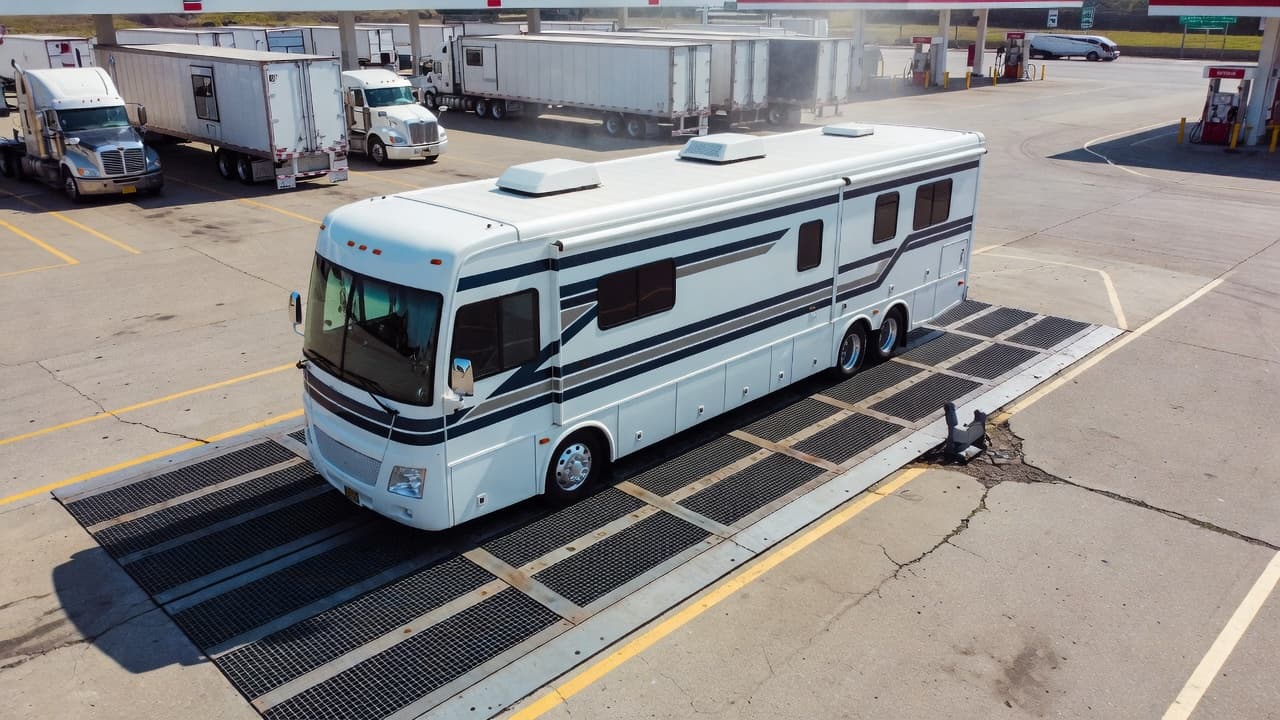
Commercial CAT scales are the most accessible option for getting an accurate measurement. However, if you can find a professional service that provides individual wheel weights, that is even better for ensuring long-term tire safety and performance.
Use this routine to get an accurate reading:
- Load the RV exactly as you would for a camping trip.
- Weigh the full rig and record the specific axle load for each set of tires.
- If you tow, weigh the tow vehicle by itself when possible to establish a baseline.
- Compare your results against your vehicle’s GVWR, GAWR, and GCWR limits, as well as your tow vehicle payload.
- If any number is too high, adjust your cargo or water levels to improve your weight distribution.
After you receive your weight ticket, read it with care. Your total weight must stay below your GVWR. Each individual axle must stay below its own GAWR. If you tow, the combined weight of your setup must stay below the GCWR.
Then take one more step. Match your actual load to the tire manufacturer’s inflation table. Proper tire pressure depends on your real world weight rather than guesswork, as running the maximum sidewall pressure is not always the safest answer.
If you make a major change to your rig, weigh it again. Upgrades like lithium batteries, solar equipment, a mobility scooter, or a rear cargo tray can shift your balance just as much as they add total pounds to your setup.
Common first-time mistakes, and how to avoid them
The most common mistake is trusting the brochure more than the scale. Sales sheets are helpful for initial comparisons, but they rarely reflect the actual maximum allowable weight of your specific vehicle once it leaves the factory. Relying on those estimates instead of verifying your own numbers can lead to dangerous overloading.
Another mistake is loading heavy gear wherever it fits. Whether you are towing a travel trailer, maneuvering a large fifth wheel, or driving a Class A motorhome, proper weight distribution is essential for safety. Placing items too far behind the axle can worsen trailer sway, while uneven side loading can overload a single tire. Heavy items should always be stored low, secure, and as close to the axle area as possible.
Many owners also travel with a full fresh water tank by habit. While this is necessary for boondocking or long dry stretches, carrying that extra weight is not always required for every trip. On shorter outings or when staying at full-hookup campgrounds, carrying less water is an easy way to stay comfortably inside your weight ratings.
Experienced owners often make the smartest travelers because they pack with purpose. A few good habits go a long way: keep a simple gear list, remove duplicate tools, and recheck your total weight after each big purchase. If your setup changes, your math changes.
For more practical camping tips, route ideas, and owner-focused travel help, View Our Website.
If you like useful reminders in your inbox, View All Our Newsletters and keep learning as your confidence grows.
Frequently Asked Questions
Why does my RV’s water tank weight matter so much?
Water weighs approximately 8.3 pounds per gallon, meaning a full 50-gallon tank adds over 400 pounds to your vehicle. This extra weight can quickly push you over your cargo carrying capacity and negatively affect your fuel economy and handling.
Can I just use the maximum tire pressure listed on my tires?
Not necessarily, as tire manufacturers provide load-inflation tables based on the actual weight carried by your tires. While the maximum pressure is a safe ceiling, your specific vehicle weight may require different pressure levels for the most comfortable and safe ride.
What is the most important weight rating to check first?
Your Gross Vehicle Weight Rating (GVWR) is the absolute ceiling for your fully loaded RV and is the most critical number to monitor. You should always ensure your final, loaded weight—including all occupants and gear—stays below this limit to protect your axles and suspension.
Should I weigh my tow vehicle separately from my RV?
Yes, if you tow a trailer, it is highly recommended to weigh your tow vehicle by itself to establish a baseline. This helps you determine your actual remaining payload capacity and ensures you are not exceeding your truck or SUV’s rear axle or towing limitations.
Know your numbers before you roll
The most valuable upgrade for any first-time owner is not an expensive gadget. Instead, it is a clear, comprehensive grasp of your RV weight ratings and how they relate to your real loaded weight.
Once you have a firm understanding of these limits, packing becomes much simpler, towing feels significantly steadier, and your travel days become far less stressful. By taking the time to verify your maximum allowable weight before hitting the road, you ensure that your first trip begins with genuine excitement rather than a risky guessing game at the axle. With your numbers verified, you can head out with the confidence that you are towing safely and responsibly.
This post may contain affiliate links. If you make a purchase through these links, I may earn a small commission at no extra cost to you.