RV Smoke Detector Basics for Safe Camping Nights
Prioritizing RV fire safety is essential for any traveler, as a fire in a confined space can go from a small problem to a life-threatening disaster in minutes. Understanding the dangers of RV fires helps highlight why a working RV smoke detector is the most critical piece of equipment in your rig, providing the warning you need when you are asleep, tired, or parked far from professional help.
That matters even more on quiet camping nights, when a dead battery or an ignored chirp is easy to brush off. Whether you travel as a weekend camper, enjoy van life, or count yourself among full time rv’ers, adopting a few simple habits can make your rig much safer and ensure you rest easy during your travels.
Key Takeaways
- A smoke alarm in your RV needs regular testing, cleaning, and timely replacement.
- To ensure full protection, you need a high-quality RV approved smoke alarm along with a reliable carbon monoxide alarm and a dedicated LP-gas detector, as these devices handle different safety hazards.
- Placement matters, especially near sleeping areas and away from steam-heavy cooking zones to ensure your safety equipment functions as intended.
- False alarms are annoying, but removing batteries or disabling the unit creates real danger.
- Seniors can make safety easier by choosing alarms with long-life batteries and easy test buttons.
Why smoke alarms matter more in an RV
An RV is a home, but it is also a compact box filled with wiring, propane appliances, cooking heat, and soft furnishings. Because the space is tight, smoke can spread quickly. You might wake up with only seconds to decide what to do. Adhering to safety standards is vital because the risk of RV fires is significantly higher in these small, confined living spaces.
A house usually gives you more distance from a kitchen mishap or electrical problem. In an RV, your bed may be a few steps from the stove, inverter, or furnace. To protect your space, you should understand the types of detection available. An ionization sensor is generally more effective at detecting fast-flaming fires, while photoelectric technology excels at identifying a smoldering fire. Having a working alarm belongs high on your safety list, right next to a charged fire extinguisher and a clear exit path.
For seniors, the margin for error is smaller. Getting out of bed, finding glasses, or moving through a narrow aisle takes time. A loud alarm buys that time back.
This also matters during storage season. Batteries weaken over winter, dust builds up, and small problems hide until the first spring trip. Among all camping tips, this one belongs near the top: test every alarm before the first overnight stop.
Smoke alarms are only one piece of the picture, though. They do not replace carbon monoxide or propane leak detectors. Each one warns you about a different danger, and mixing them up is a common mistake.
The detector setup your RV really needs
Smoke, CO, and propane are different problems
Many RV owners use the term alarm as if every device performs the same job. This is not the case. Smoke alarms detect signs of fire, while carbon monoxide alarms use an electrochemical sensor to identify that colorless gas produced by combustion. Separately, an lp-gas detector warns you about leaks, which behave differently because propane is heavier than air.
For the best protection, you might consider a dual-sensor detector, which provides comprehensive coverage in one package.
A quick comparison makes the setup easier to understand.
| Device | What it detects | Typical placement | What to watch |
|---|---|---|---|
| Smoke alarm | Smoke from fire | High on the ceiling or wall, near sleeping space | Test often, replace by the date on the unit |
| CO alarm | Carbon monoxide | Follow the manual, often near sleeping areas | Replace at end of service life |
| Lp-gas detector | LP gas leak | Low on a wall, because propane sinks | Keep clear of dust and blockage |
The takeaway is simple: one alarm cannot do every job.
Placement matters as much as the alarm itself
If your RV came from the factory with a smoke alarm, do not assume the original location is still perfect after remodels or added fans. Ceiling vents, air conditioners, and cooking layouts change airflow. That can delay detection or trigger nuisance alarms. Furthermore, you should always choose an RV approved smoke alarm rather than residential smoke detectors, as the former are specifically designed to withstand the stress of road vibrations.
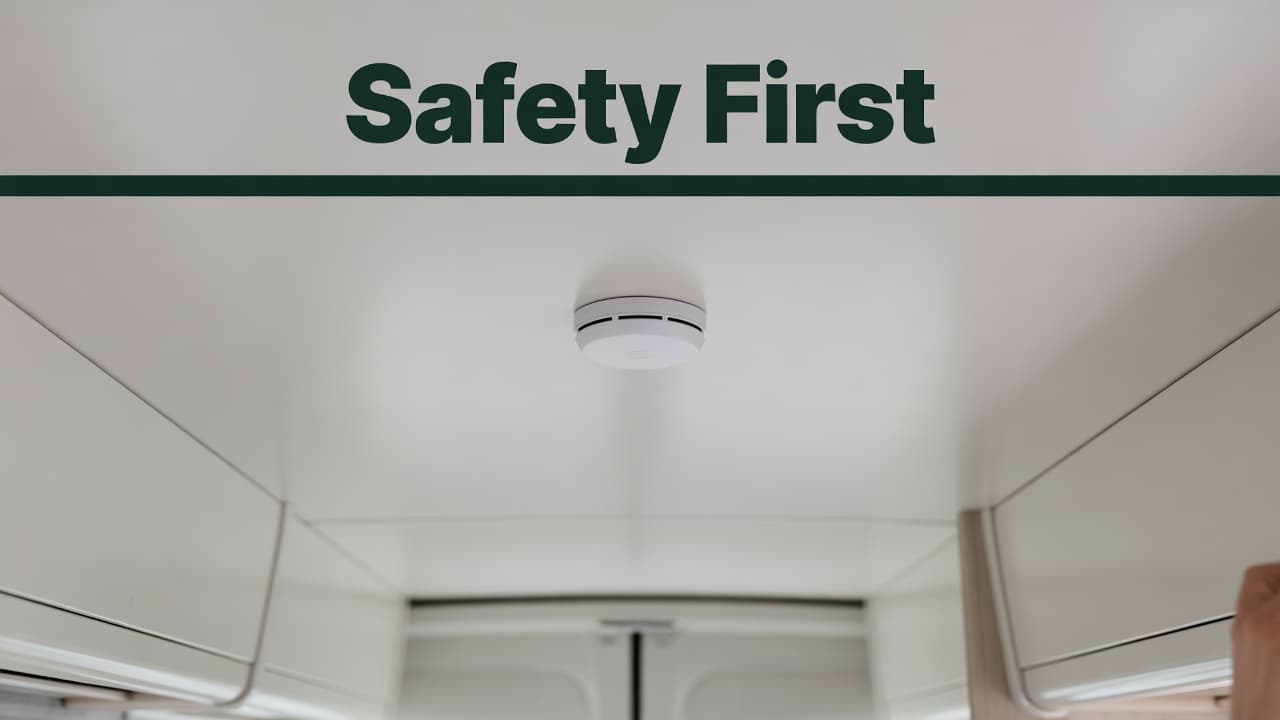
In most rigs, the best place for a smoke alarm is close to where people sleep, but not right where steam and skillet smoke hit it every morning. Public safety advice often stresses alarms in sleeping areas, and the proper mounting height specified in your device manual should guide the final spot.
This is true in a big fifth wheel and in a compact camper van. Van life can feel simple and open, yet small interiors fill with smoke fast. If your layout has a rear bed and a front galley, placement becomes even more important.
Also, pay attention to power type. Some models are battery operated with replaceable units, while others connect to the coach’s 12-volt system. Some newer designs feature sealed, long-life batteries. Always match your replacement to the manufacturer requirements rather than simply matching the hole pattern on the ceiling.
Testing and maintenance that fit real travel days
A smoke alarm only helps when it works the night you need it. The good news is that maintenance is easy if you attach it to routines you already keep.
A practical RV fire and safety guide recommends testing alarms weekly while traveling. That may sound like a lot, but it takes less time than leveling the coach.
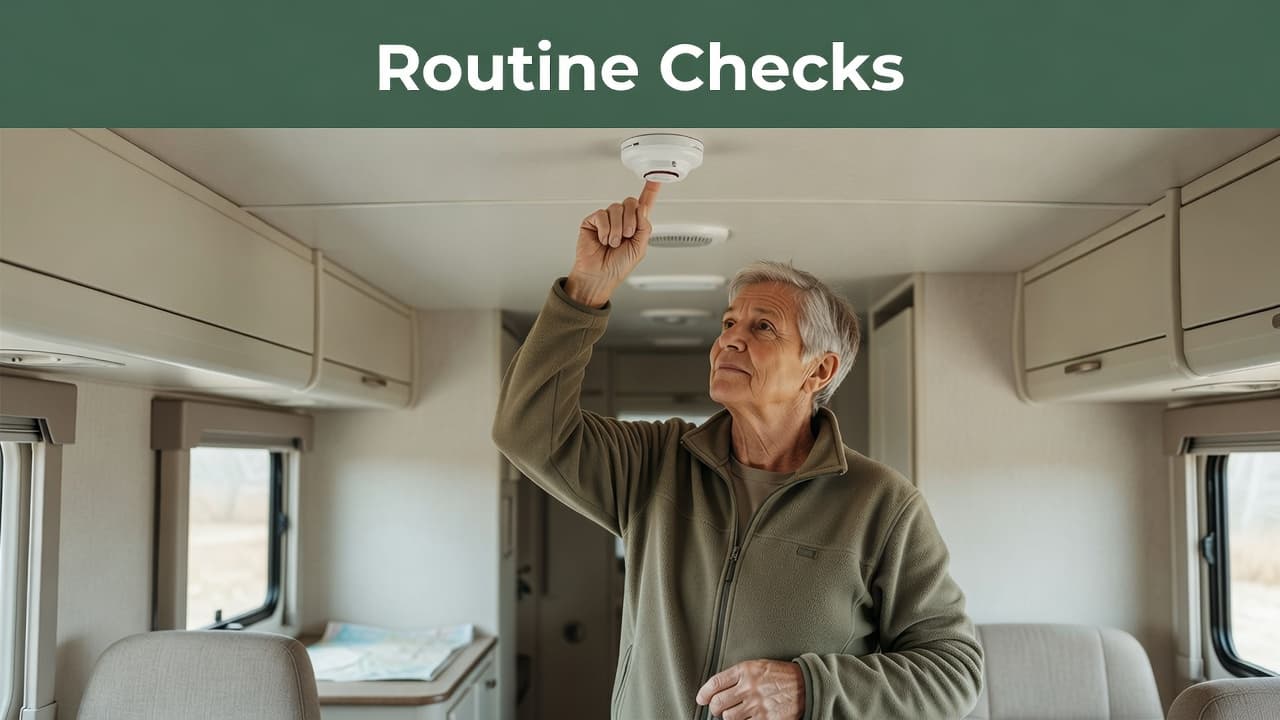
Many full time RVers tie alarm checks to arrival day. Others do it when they top off water, dump tanks, or pay the monthly campground bill. Pick one trigger and stick with it. Investing in reliable hardware from trusted brands like First Alert or Kidde can provide peace of mind during your travels.
A simple routine works well:
- Press the test/silence button on every alarm before an overnight stay.
- Listen for a strong sound, not a weak chirp.
- Watch for a low battery warning, which often manifests as a periodic beep, and replace the power source immediately if needed.
- Vacuum dust from the outer vents with a soft brush.
- Check the date label so older units do not stay in service too long.
If an alarm chirps every 30 to 60 seconds, treat it as a repair job that day.
Besides testing, keep the unit clean. Keystone RV notes in its detector maintenance overview that dust buildup and aerosol products can create trouble. Do not spray cleaners, air fresheners, hair products, or bug spray directly near the device.
For seniors, convenience matters. A sealed-battery smoke alarm can reduce ladder trips. A model with a large test button is also easier on stiff hands and shoulders. If you have hearing loss, consider whether the alarm is loud enough from the bed with the air conditioner running.
Cut false alarms without ignoring real danger
Nuisance alarms are a common frustration in RVs because the kitchen, bed, and living area share the same limited airflow. Everyday occurrences like cooking smoke, toaster crumbs, shower steam, and even heat from an open oven can frequently trigger your sensors.
That does not mean your device is faulty. Often, it simply means the area needs better ventilation or the unit is positioned too close to the cooking zone. By following NFPA guidelines for proper ventilation, you can significantly reduce these occurrences. Always use your range hood, crack a window, and run the roof vent whenever you are preparing a meal. Those small, proactive steps help more than most travelers expect.
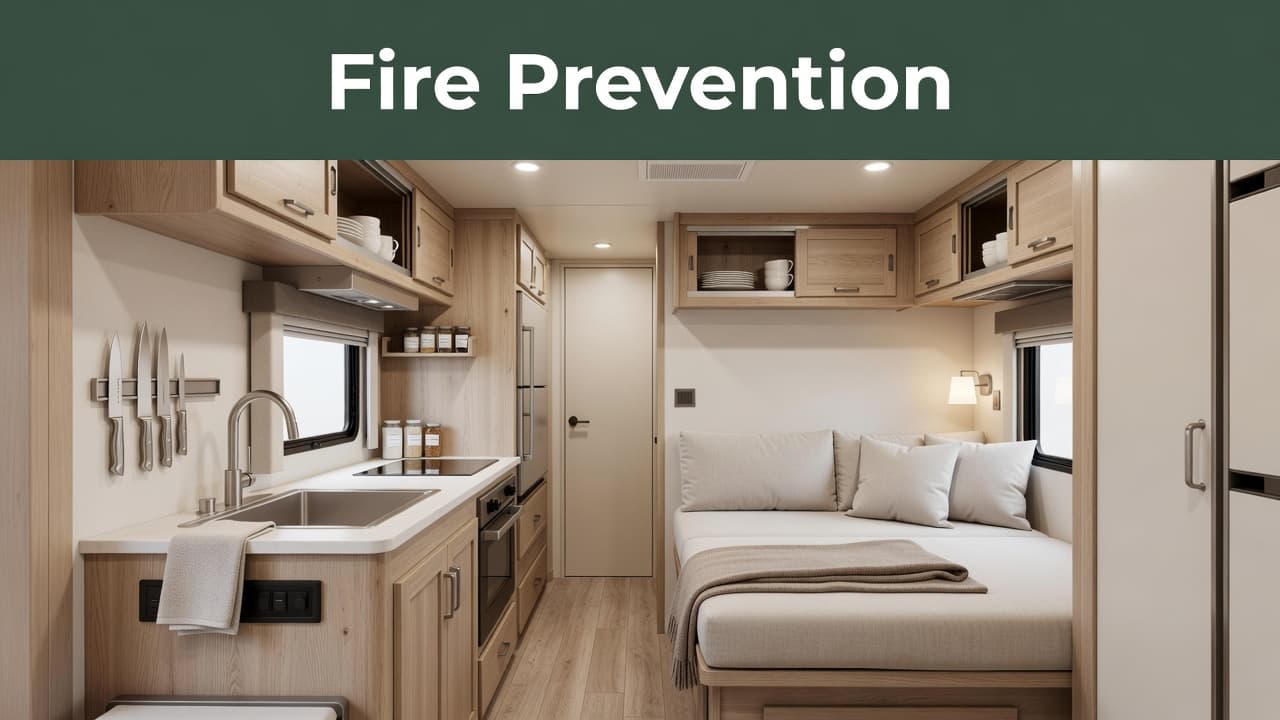
Keep the stove area clean to prevent accidents. Grease film, paper towels stored near burners, and overloaded electrical outlets raise the chance of a real fire. Remember that your smoke alarm is the final backstop, not your first line of defense.
Never solve these issues by removing the battery with the intent to replace it later. Travelers often forget to reinstall it, leaving them unprotected while they sleep. If you are using a device like a First Alert alarm, use the manufacturer-approved hush feature as directed while you clear the air.
After any false alarm, test the unit again to ensure it still responds normally. That quick re-check is essential, as it prevents a minor annoyance from turning into a dangerous, silent failure.
When it’s time to replace the alarm
Every detector ages out, even if it still beeps during a test. Most smoke alarms have a 10-year life, though CO and propane devices often have shorter service lives. When it is time for a replacement smoke alarm, the printed date on the back matters more than how clean the plastic looks. If you are upgrading, consider 8th generation smoke detectors, which are modern devices specifically designed to reduce false alarms.
It is important to understand the difference between equipment types. You must prioritize an RV approved smoke alarm over standard residential smoke detectors, as RV units are engineered to handle the unique vibrations and temperature fluctuations of travel. When you buy a replacement, match the old unit’s power source and mounting requirements. Read the label, then compare it with the new model before you install anything. When in doubt, use the RV manufacturer’s guidance or the detector maker’s instructions.
This is also a good time to revisit your larger safety routine. Keep a fire extinguisher near the exit door. Know how to open emergency windows. Make sure everyone in the rig knows the fastest way out after dark.
RV Life Insider is a good place to keep those reminders close. You can View All Our Newsletters for practical safety notes, travel updates, and road-tested camping tips. You can also View Our Website for blogs, trip-planning tools, community conversations, and product ideas built around real RV living.
Frequently Asked Questions
Can I use a regular smoke detector from a hardware store in my RV?
No, you should always use an RV-approved smoke alarm. Residential models are not designed to withstand the constant vibrations and temperature fluctuations of travel, which can cause them to malfunction or fail.
How often should I test my RV smoke alarm?
It is recommended to test your smoke alarm at least once a week while traveling. A simple way to remember is to make it part of your arrival routine whenever you settle into a new campsite.
Why does my smoke alarm keep chirping after I replace the batteries?
A chirping sound often indicates a low battery, but it can also signal that the device has reached the end of its service life. Always check the expiration date on the back of the unit, as most sensors need replacement every ten years.
What should I do if my alarm goes off every time I cook?
Frequent false alarms usually mean the unit is placed too close to the kitchen or needs better ventilation. Use your range hood and roof vents while cooking, but never remove the batteries or disable the unit, as you may forget to turn it back on.
A safer night starts overhead
A smoke alarm may be small in size, but its role in protecting your home on wheels is massive. A functioning RV smoke detector provides the early warning you need to act quickly, ensuring that every excursion remains a positive experience.
Make it a habit to check your device before your next overnight stay, clean the sensor before a long road trip, and replace the unit as soon as it reaches its expiration date. By prioritizing your RV fire safety, you turn your vehicle into a secure retreat. Ultimately, a peaceful night at the campground begins with knowing your equipment is ready to perform, making the detector overhead the foundation for your peace of mind.
This post may contain affiliate links. If you make a purchase through these links, I may earn a small commission at no extra cost to you.