RV Crosswind Driving Without Overcorrecting
A hard side gust can make an RV feel larger than life. The real problem usually isn’t the wind alone, it’s the fast, fearful steering that follows.
Good RV crosswind driving is calm, measured, and a little humble. If you slow down early, keep your hands quiet, and let the coach settle, you’ll stay safer and feel less worn out by the time you reach camp.
Why crosswinds feel stronger in an RV
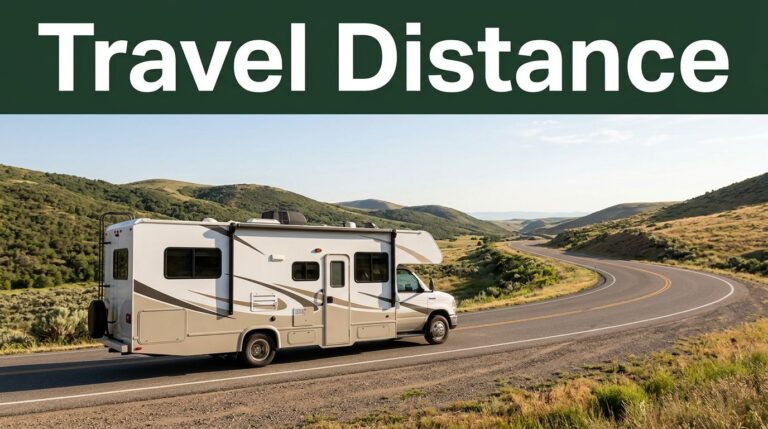
An RV has a lot of side area. Wind pushes on that tall, flat surface, so even a moderate gust can feel sharp from the driver’s seat.
That doesn’t mean the rig is out of control. It means the wind has more leverage than it would on a car. A Class A motorhome, tall fifth wheel, or travel trailer will all react more than a pickup. Even van life rigs can get shoved around, though their lower profile helps.
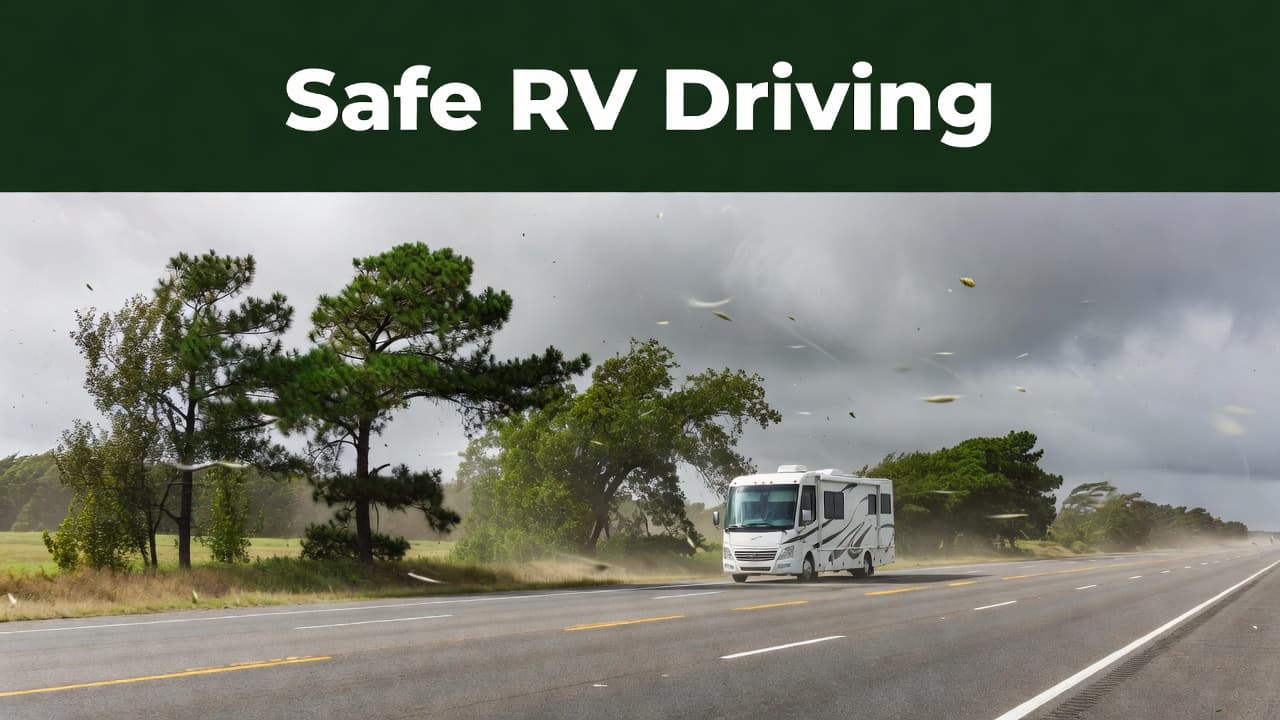
What makes wind tricky is the way it changes. One minute you have trees blocking the gusts. Then the road opens up, and the side of the coach takes the full hit. The same thing happens when you pass a gap in a rock wall, come out from behind buildings, or clear an overpass.
That changing pressure is why drivers overcorrect. You feel the push, steer into it, and then the gust fades before your steering input does. Now the RV moves the other way, and your hands chase it again. The coach starts to feel loose, even though your own steering created much of that extra motion.
This is why wind driving is less about fighting and more about timing. Small steering inputs work because the chassis needs a moment to respond. Big inputs arrive too late and too strong.
If you want a solid primer on how route conditions and wind speed affect larger rigs, Drive Weather’s high-wind guide is a useful reference before a travel day.
Set up the rig before the windy miles start
Wind exposes every weak point in the setup. If tire pressure is wrong, the load is uneven, or the suspension already feels loose, side gusts will feel worse.
Start with tire pressure based on actual axle weights, not guesswork. Underinflated tires can feel squirmy. Overinflated tires can make the ride harsher and reduce the sense of control. If you haven’t weighed your RV lately, move that task up your list.
Loading matters too. Heavy gear should sit low and close to the axles when possible. Too much weight high in cabinets or packed far behind the rear axle makes the coach feel less settled. A trailer with poor tongue weight can also react badly in wind.
For seniors, comfort is part of safety. Set the seat so your knees stay slightly bent and your shoulders rest against the seatback. That position helps you steer with small movements instead of reaching and pulling. Keep both hands on the wheel, usually at 9 and 3, and give yourself enough mirror view that you don’t have to lean or twist.
One of the best camping tips for windy travel days is to lower your speed goal before you leave. If your normal cruise is 62, maybe today’s number is 55. That decision is much easier in the driveway than in a gusty canyon.
Good habits fade when you don’t drive often. That’s why many seasonal campers like reminders between trips. If you want practical road advice written for seniors and other RV travelers, you can subscribe to the RV Life Insider newsletter.
What to do when a gust hits, without overcorrecting
The first move is to stay loose enough to feel the coach, but firm enough to guide it. White-knuckle driving usually leads to jerky steering.
When a gust pushes the RV, don’t snap the wheel. Instead, make one small correction, then wait a moment for the chassis to respond. That pause feels long in the moment, but it often lasts less than a second.
Your first steering correction should be smaller than your instinct suggests.
At the same time, ease off the throttle. Don’t jump on the brakes unless traffic demands it. Hard braking can pitch weight forward and make the rig feel busier. A smooth speed reduction lowers the wind’s effect and gives you more room to think.
Keep your eyes far down the lane. If you stare at the shoulder or fixate on the truck beside you, your hands often follow your eyes. Looking farther ahead helps you hold a straighter line.
This sequence works well in most crosswind moments:
- Hold the wheel firmly with both hands.
- Make one small correction into the gust.
- Ease off the throttle and let speed bleed down.
- Re-center the wheel as the coach settles.
The hardest part is resisting the second and third correction. Drivers often feel the RV lean or drift and assume they haven’t done enough. Then they add more steering while the first input is still working. That is how one gust turns into a weaving lane position.
If you’re towing and the trailer starts to sway, the same rule applies. Keep the tow vehicle as straight as possible and reduce speed smoothly. Sudden steering makes sway worse.
Many full time rv’ers learn this through repetition. They stop treating every gust like an emergency, and they stop asking the wheel to fix what only patience can fix. That mindset matters whether you’re on a weekend camping trip or months into the road.
Bridges, trucks, and open gaps change the wind fast
Some places create sharper wind surprises than others. Bridges are high, exposed, and often flanked by open air. Meanwhile, a passing semi can block the wind for a second, then release it all at once as the trailer clears your front bumper.
The pattern is predictable even when the gust isn’t. If you expect the pressure change, your hands stay calmer.
A quick reference helps on those trouble spots:
| Situation | What to expect | Best response | | | | | | Open bridge | A stronger, cleaner crosswind | Slow down before the bridge and keep inputs small | | Passing semi | Wind shielded, then released | Hold steady and expect a shove as the truck clears | | Gap in tree line | Sudden side blast | Stay centered and avoid a fast correction | | Road cut or canyon exit | Uneven gusts and turbulence | Reduce speed and leave extra following distance |
The takeaway is simple. Road features often matter as much as the forecast.
Bridges and overpasses deserve extra respect because the wind can hit with little warning. The same goes for the moment you come out from behind sound walls, buildings, or hills. RV LIFE’s windy driving tips offer a good reminder about those exposed areas.
When a truck passes, keep a steady line and expect two changes. First, the truck may block some wind. Then, as it moves ahead, the crosswind returns and can feel stronger for a beat. If you already know that second shove is coming, you won’t react like it appeared from nowhere.
Know when the smart move is to stop
Skill matters, but judgment matters more. Some wind is manageable. Some isn’t worth proving anything against.
There isn’t one magic number for every RV because height, weight, wheelbase, and loading all change the feel. Still, many experienced drivers treat strong gusts as a reason to pull off early rather than press on. In a recent GoRVing discussion on Reddit, one driver said gusts near 40 mph are where they stop and park in line with the wind. That lines up with what plenty of seasoned RV owners do in practice.
Fatigue changes the equation too. For seniors, a long day of tense steering can wear down reaction time faster than expected. Pride also sneaks in. You may be only 60 miles from the campground, but 60 windy miles can feel like 300.
Build flexibility into your plans. That may be the most useful of all camping tips. Leave earlier, drive shorter days, and accept weather delays as part of the lifestyle. People in van life setups, towables, and motorhomes all benefit from that approach.
RV Life Insider is built for that kind of practical road wisdom. You can View Our Website when you want trip-planning tools, blogs, community stories, and gear ideas that support safer travel.
Final thoughts
The wind usually isn’t what sends an RV wandering across the lane. Overcorrecting does that.
A steady grip, a lower speed, and one small input at a time will do more for control than muscle ever will. When the gusts build, calm hands beat quick hands.
If you want more encouragement and road-tested advice for seniors who love camping, View All Our Newsletters and keep RV Life Insider close before your next travel day.
This post may contain affiliate links. If you make a purchase through these links, I may earn a small commission at no extra cost to you.