RV Propane Detector Basics and CO Safety
A quiet RV detector on the wall can save your life while you sleep. In a small coach, propane leaks and carbon monoxide buildup can turn serious fast.
If you love camping on weekends, travel in a van life rig, or roam as full time rv’ers, this is one safety item you can’t ignore. A few basics will help you test it properly, replace it on time, and react quickly if it sounds.
Key Takeaways
- Carbon monoxide and propane create different risks, so one combo alarm is doing two separate jobs.
- Test your detector before every trip, and don’t assume the test button checks every sensor function.
- Many RV alarms use 12-volt coach power, so weak batteries can cause chirps or lost protection.
- When an alarm sounds, get people and pets to fresh air first, then sort out the cause.
- Replace aging units on schedule, because detectors don’t protect you forever.
Why your RV needs both kinds of detection
Carbon monoxide and propane are not the same problem. Carbon monoxide comes from incomplete combustion, so furnaces, water heaters, stoves, engines, and generators can all create it. Propane is your fuel source, which means leaks can happen at appliances, fittings, hoses, or the tank side of the system.
That difference matters because the danger looks different too. Carbon monoxide is odorless, so you won’t smell trouble coming. Propane has a strong added odor, but you may not notice it while asleep, congested, or outside in windy conditions.
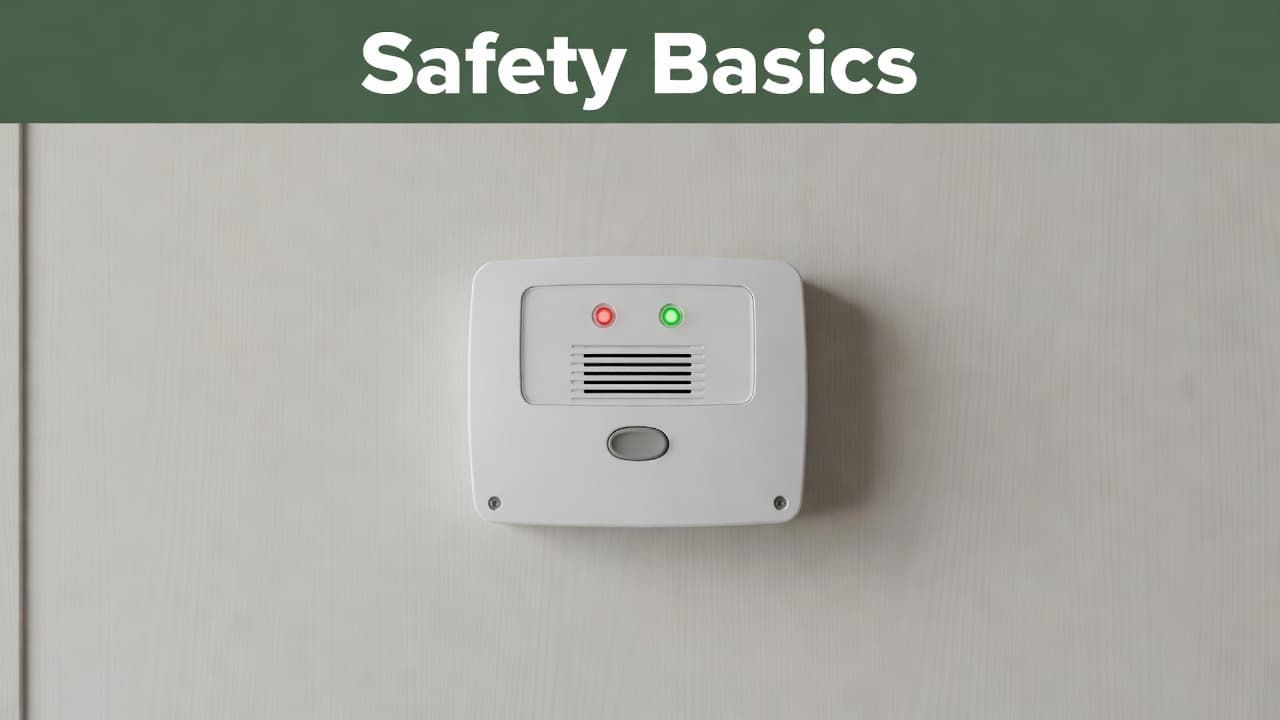
A good RV propane detector often shares one housing with a carbon monoxide alarm. That setup is common in motorhomes, trailers, and camper vans because space is tight and simple maintenance helps people keep up with it.
This quick comparison keeps the two hazards straight.
| Hazard | Common RV sources | Main risk | First response |
|---|---|---|---|
| Carbon monoxide | Generator, furnace, water heater, engine exhaust | Poisoning | Get outside into fresh air |
| Propane | Stove, furnace, fridge, water heater, hoses, fittings | Fire or explosion | Avoid flames and exit safely |
The table points to the big idea: you need both detection and a plan.
Placement can be confusing because household advice doesn’t always match RV equipment. Many combo units mount low on an interior wall, but the final word is your model’s instructions, not a rule of thumb from a house. In addition, most combo alarms run on the RV’s 12-volt system. If the coach battery is weak, disconnected, or the fuse is blown, the detector may chirp, fail, or stop protecting you.
For seniors, that power detail matters more than it sounds. After storage or a long drive day, a dead house battery can leave the rig quiet when it shouldn’t be.
How to test a propane and CO alarm before a trip
Testing the detector should be part of the same pre-trip routine as checking tire pressure and hitch connections. Among all your camping tips, this one is easy to forget because the alarm sits there silently, doing nothing until the day you need it.

Photo by Kampus Production
A simple routine keeps it manageable:
- Restore full 12-volt power before you test. A weak battery can cause false chirps or a failed test.
- Press and hold the test button until the alarm sounds. If nothing happens, check the fuse, battery condition, and wiring.
- Clean the face gently with a soft brush or vacuum to remove dust from the vents.
- Follow your brand’s instructions for sensor checks. The RV Safe owner’s manual explains a propane sensor verification method that uses a small amount of unlit propane or butane for about 30 seconds, with no open flame or ignition source.
The test button tells you the alarm can sound. It does not replace the model-specific checks in the manual.
That point gets missed all the time. Some alarms confirm electronics and the horn when you press “test,” while separate sensor verification follows the manufacturer’s procedure. If you want a broader refresher on schedule and upkeep, Keystone has a helpful page on maintaining RV safety devices.
Before each trip is a smart minimum. If you camp often, test on a regular calendar too. Full time rv’ers should add the detector to a monthly maintenance day, because road life has a way of turning small chores into forgotten chores.
What to do when an RV alarm goes off
When an alarm sounds, don’t assume it’s a glitch. Different brands use different beep patterns, so the safest move is to treat it as real until you identify the cause from the label or manual.
Treat any unexplained alarm as a real hazard first.
If the carbon monoxide side goes off, get everyone outside right away. Take pets with you. If you can do it quickly and safely, shut down the generator, engine, or gas appliance on the way out. Once you’re in fresh air, pay attention to symptoms such as headache, dizziness, nausea, weakness, or confusion. During camping trips, people often mistake CO symptoms for poor sleep, heat, dehydration, or a bad meal, which can waste precious time.
A propane alarm calls for slightly different action. Put out flames if it’s safe, don’t flip electrical switches, and move everyone out of the RV. Then shut off the propane supply at the tank if you can reach it safely. Air out the coach, but don’t restart the system until a qualified RV technician checks the leak source.
Chirping is different from a full alarm, but it still deserves attention. A periodic chirp may point to low voltage, a fault, or end-of-life. Because brands vary, guessing from the sound alone is a bad plan. Keep the model number written in an easy-to-find place, especially if middle-of-the-night troubleshooting isn’t your favorite job.
For seniors, a flashlight near the bed and a printed note with alarm meanings can make a stressful moment more manageable.
Replacement, placement, and habits that stick
Detectors age out, even when they still look fine. Most units have a manufacture date, replacement date, or end-of-life warning. Check the label on the front or back, then write the install month somewhere visible inside the coach.
When it’s time to replace one, buy a unit made for RV use and match the old alarm’s power source and cutout size. Common names in this category include Safe-T-Alert and RV Safe. A household detector may not fit the opening, connect to the 12-volt wiring, or follow the same mounting rules.
Placement matters, but the manual matters more. If your alarm is a combo unit, keep the Safe-T-Alert user manual or the proper guide for your brand handy. That’s the fastest way to confirm mounting height, alert patterns, and replacement timing.
Habits make the biggest difference over time. Put detector testing on the same calendar as roof checks, water-system sanitizing, and tire inspections. The same routine works whether you own a Class A, a fifth wheel, a small travel trailer, or a van life build.
Many seniors prefer a paper checklist by the door because memory gets crowded on travel days. If you want more road-tested reminders, RV Life Insider is a useful place to keep in the mix. You can View All Our Newsletters for seasonal safety notes, camping tips, and stories from other RV’ers, and View Our Website for travel guides, blogs, community conversations, and product ideas.
Final thoughts
When you’re asleep in an RV, the alarm on the wall is doing one of the most important jobs in the rig. Testing it and replacing it on time is a small task with a big payoff.
The habit stays the same whether you camp a few weekends a year or live on the road full-time. Know your model, keep it powered, and respond fast when it speaks up.
This post may contain affiliate links. If you make a purchase through these links, I may earn a small commission at no extra cost to you.