Monthly RV Budget for Retirees You Can Stick To
An rv retirement can cost less than staying put, especially when you consider the savings that come from downsizing from a primary residence. Many seniors do not get tripped up by one giant expense. Instead, they get worn down by small monthly misses that stack up over time.
A workable RV budget for retirees leaves room for comfort, not only survival. When your plan fits your specific retirement travel pace, camping style, and health needs, RV living becomes much easier to manage. Start with the numbers that shape the month to ensure your finances stay on track.
Key Takeaways
- Lifestyle Drives Costs: Monthly expenses for full-time RVers typically range from $2,500 to $4,500, but your total is heavily dictated by your travel pace, how often you move, and your preferred level of convenience.
- Differentiate Fixed and Flexible Costs: Group your finances by fixed expenses (insurance, payments, internet) and flexible spending (fuel, food, campground fees) to identify where you can adjust your habits without sacrificing comfort.
- Prioritize Maintenance and Emergency Funds: Unexpected repairs can derail a tight budget, so establish a dedicated sinking fund for routine maintenance and keep an emergency cash reserve to handle major mechanical failures.
- Slow Down to Save Money: The most effective way to lower expenses is by reducing your travel frequency, which decreases fuel consumption and allows you to take advantage of discounted weekly or monthly campground rates.
Start with the real monthly cost of RV living
Current 2026 estimates put the monthly expenses for comfortable full-time RV living at about $2,500 to $4,500. Lean travelers can land near $1,000 to $2,000, while higher-spend months often run past $5,000.
That spread looks wide because lifestyle drives the bill. Seniors who move every few weeks usually spend less than those who chase resorts, eat out often, and rack up fuel stops. A smart RV budget for retirees starts with three truths: where you camp, how often you drive, and how often you pay for convenience. This quick table gives you a realistic starting point.
| Travel style | Monthly budget | What it usually looks like |
|---|---|---|
| Lean and slow | $1,000 to $2,000 | Long stays, public land or budget parks, most meals cooked in the RV |
| Comfortable middle | $2,500 to $4,500 | A mix of campgrounds, moderate driving, steady groceries, campground fees, and utilities |
| Higher-spend | $5,000+ | Frequent moves, resort parks, more restaurant meals, extra entertainment |
If you still have an RV payment, add it on top unless it is already in your monthly target. Medical costs can also push your number higher, especially for retirees who travel across state lines for care.
For a grounded look at the tradeoffs, Money’s article on the true cost of RV life in retirement is useful.
If you own your rig outright and stay in one region, you may land below the national middle. If you finance a newer motorhome and move often, you may blow past it. That is why copying another couple’s spreadsheet rarely works.
Traditional housing math can mislead you too. Campground fees replace your primary residence costs like rent or property taxes, but fuel replaces the quiet predictability of traditional housing. Many people practicing full-time RVing budget the big items and miss the leaks, tolls, laundry, propane refills, pet meds, and last-minute campground upgrades.
Build your budget around how you travel
Effective financial planning serves as the foundation for budget-conscious retirees looking to make the most of their journey. To get started, separate your fixed costs from your flexible ones. Fixed costs include your RV payment, insurance, phone plan, internet, mail service, storage, and regular prescriptions. Flexible costs include campground fees, fuel, propane, food, laundry, and fun.
That split matters because fixed costs show your floor. Flexible costs show how much freedom you have left after the bills are paid.

Your travel pace changes almost everything regarding your RV lifestyle. A couple that stays three weeks in one place usually gets a lower nightly rate, uses less fuel, and shops with less waste. On the other hand, bouncing every few days makes the month harder to predict, even if the campsites look cheap on paper.
Rig size changes the math too. Choosing a camper van or opting for Class B motorhomes often saves money on gas due to better fuel efficiency, but small space living can lead to more cafe stops, storage costs, or laundromat runs. A larger fifth wheel or motorhome burns more fuel, yet it may cut other costs if you cook every meal and stay put longer.
Try building your first monthly plan with broad buckets instead of perfect categories. Put housing and campground costs first. Then add food, fuel, insurance, phones, maintenance, health, and a small fun category. After 60 days of full-time rving, you will know where the numbers keep drifting.
A lot of seniors find that weekly planning beats monthly guessing. Look at the next four weeks, count drive days, note paid activities, and mark any family visits that change your routine. That quick check can prevent the “How did we spend that much?” month.
Most retirees don’t need a tighter budget at the start. They need a more honest one. If you are still shaping your travel style, the RV Life Insider site can help. You can View Our Website for travel guides, planning tools, blogs, products, and community resources that support every stage of your RV lifestyle.
Spend less without shrinking the trip
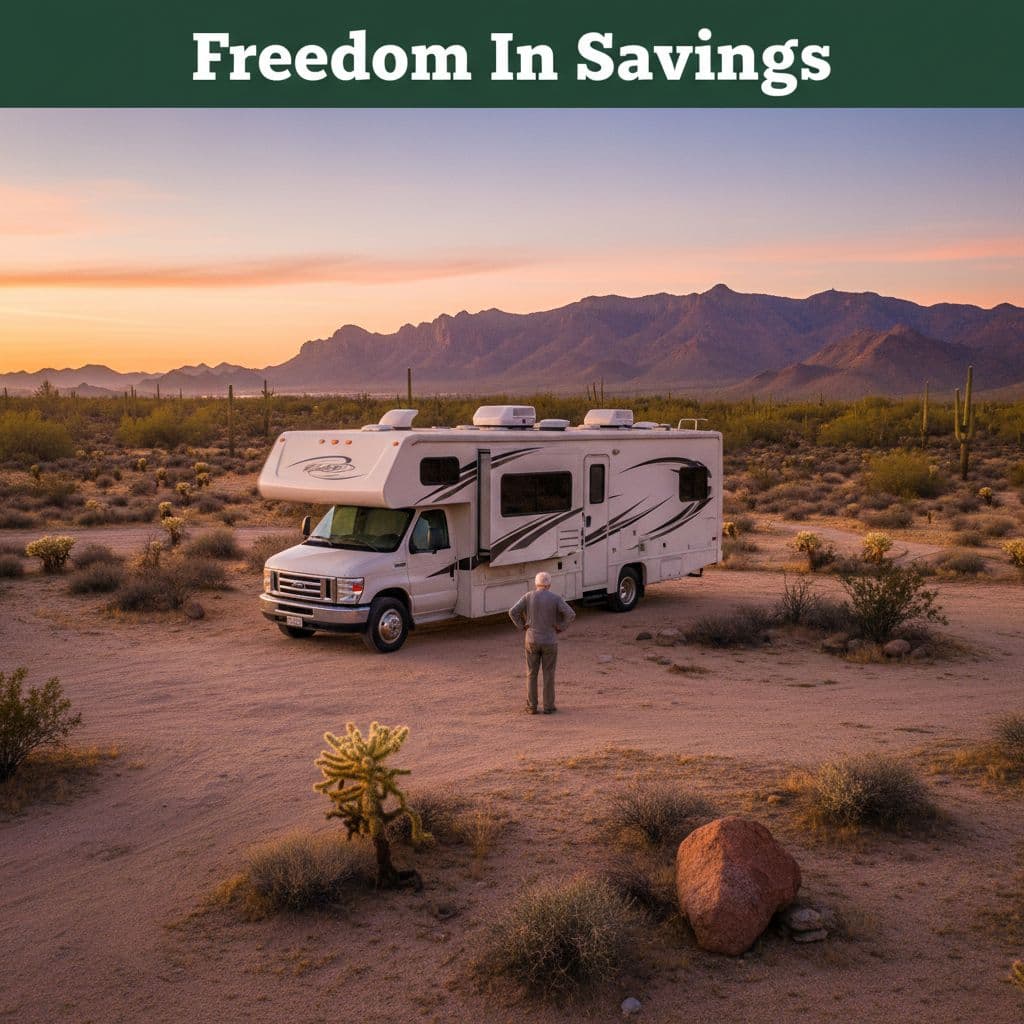
Saving money on the road should feel like smart camping, not punishment. The easiest savings usually come from slowing down and trimming habits that don’t add much joy.
Monthly rates are often the biggest win for budget-conscious retirees. You can find significant value by prioritizing stays at state parks, national parks, and various RV parks that offer discounted long-term stays. Balancing these with a few nights of boondocking, provided you have the right off-grid capabilities to stay comfortable, keeps your costs low. Many seniors also save with age-based discounts, fuel rewards, and public land stays when weather allows.
The best camping tips are usually simple. Cook breakfast in the RV. Pack lunch on drive days. Choose one meal out that you truly want, instead of five forgettable stops. Refill propane before you reach tourist towns. Run errands in one loop so you don’t waste fuel on repeated short trips.
Fuel deserves more attention than most people give it. Driving 200 fewer miles in a month can matter more than clipping grocery coupons. Focus on fuel efficiency by keeping speeds moderate, skipping unnecessary scouting drives, and avoiding relocation just because you are bored. A peaceful extra week at one campground is often better for the budget and for your nerves throughout your retirement travel.
Membership clubs can help, but only if you use them enough. A discount that pushes you to stay somewhere you don’t enjoy isn’t a bargain. Pick passes that match the places you already like to camp.
Retirees on a fixed income, including those relying on Social Security, need this kind of margin the most. This look at RV living on Social Security shows how steady habits keep monthly costs under control. The same lesson shows up again in this retirement RV planning checklist, especially around longer stays and discount options.
Comfort still matters. Many full-time RVers save best by mixing low-cost weeks with the occasional nicer park, not by chasing the cheapest site every night. Your budget should support the kind of camping you enjoy. If you hate dry camping, don’t build a plan that depends on it every week.
Protect the budget from repairs and surprise bills
Maintenance costs aren’t random. They are simply monthly expenses that haven’t shown up on your statement yet.
Most current estimates put routine service and unexpected repairs around $100 to $400 a month, but one tire failure or roof leak can wipe out a thin plan. Because of that, seniors need a sinking fund, not wishful thinking, to manage their motorhome upkeep.

Set aside money every month for tires, batteries, brakes, seals, oil changes, and regular service for your motorhome. Then, keep a separate emergency fund with at least three to six months of core expenses if you can manage it. That emergency fund is the most effective way to protect your travel plans when life gets expensive fast.
If one instance of unexpected repairs can wreck the month, the budget is too tight.
Health and safety costs need their own line as well. Medical expenses like co-pays, dental visits, hearing aid supplies, and prescriptions do not vanish because your house has wheels. You should also account for insurance costs, roadside assistance, mail forwarding, and mobile internet upgrades. Additionally, plan for hidden costs such as pet care and replacing basic gear like hoses or water filters.
Some retirees keep three simple accounts: bills, travel, and maintenance costs. Others use one checking account and a notebook. The tool doesn’t matter, but clear separation does.
A budget works best when it keeps teaching you. Review it every month, but only change one or two habits at a time. If you like steady, practical advice, the RV Life Insider newsletter is a useful companion. You can View All Our Newsletters to browse more topics, or get RV budgeting tips via email if you want updates in your inbox.
Frequently Asked Questions
How much should I set aside for RV maintenance each month?
You should plan to budget between $100 and $400 monthly for routine maintenance like oil changes, tire care, and seal inspections. Having a dedicated sinking fund for these predictable yet irregular costs prevents a single mechanical issue from ruining your monthly finances.
Is it possible to RV full-time on a strict budget?
Yes, by choosing a slower travel pace and utilizing public lands or long-term campground discounts, many retirees keep costs between $1,000 and $2,000. The key is to minimize fuel usage and prioritize cooking meals inside your rig rather than dining out.
How does travel pace impact my monthly budget?
Moving your RV every few days significantly increases fuel consumption and often limits your ability to secure lower weekly or monthly campsite rates. By staying in one location for two to four weeks at a time, you stabilize your expenses and reduce the wear and tear on your vehicle.
Final thoughts
The best monthly budget is the one you can repeat without dread. For most retirees, that means slower travel, realistic campground costs, a dedicated repair fund, and honest tracking.
When your finances align with your habits, the open road feels significantly more accessible. Embracing this lifestyle during your RV retirement means you can stop guessing and stop patching over shortfalls. Instead, you can focus on the freedom of the open road, knowing your motorhome is a reliable home that moves with you. When you are comfortable with your numbers, living on the road becomes the rewarding adventure you envisioned.
RV Life Insider
www.rvlifeinsider.com
This post may contain affiliate links. If you make a purchase through these links, I may earn a small commission at no extra cost to you.